
 EN
EN  English
 中文简体
中文简体
Yaokang Technology
Yaokang Technology
Yaokang Technology
Yaokang Technology
Industry News
Applications and Benefits of Metal Balls Stainless Steel Through-Hole Round Ball
Introduction to Metal Balls
Metal Balls are essential components in many industrial, mechanical, and engineering applications. Their spherical shape ensures uniform motion, precise alignment, and consistent load distribution. They are widely used in machinery, valves, bearings, and fluid control systems. Their effectiveness relies on material selection, precision manufacturing, and adherence to strict dimensional tolerances.
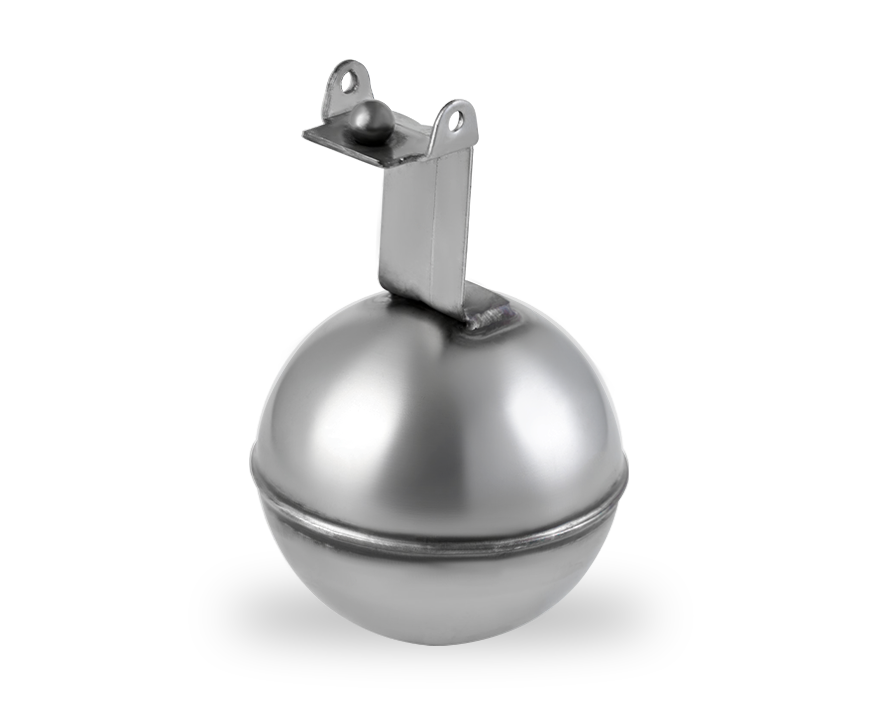
The Role of Stainless Steel Through Hole Round Ball
The Stainless Steel Through Hole Round Ball represents an advanced version of conventional metal balls. Its through-hole design allows for additional functionalities, such as securing with pins, accommodating fluid passage, or enabling wiring through its core. Made from stainless steel, this type of ball provides good resistance to corrosion, high mechanical strength, and durability in demanding industrial environments. These properties make it suitable for chemical, pharmaceutical, food, and mechanical engineering applications.
Precision Manufacturing Techniques
Producing high-quality metal balls requires sophisticated manufacturing processes. Techniques such as cold heading, machining, and grinding ensure that each ball maintains strict dimensional accuracy and smooth surface finish. For the stainless steel through hole round ball, the additional drilling and finishing steps ensure that the hole is aligned correctly without compromising structural integrity. Heat treatment and polishing further enhance hardness, wear resistance, and operational longevity. Rigorous quality control, including diameter measurement, sphericity testing, and surface roughness inspection, ensures consistent performance.
Advantages of Stainless Steel Material
Stainless steel provides several key benefits for through-hole round balls. It offers good corrosion resistance, ensuring long-term functionality in environments exposed to moisture, chemicals, or high temperatures. Its mechanical strength allows the ball to withstand high loads, repetitive motion, and mechanical impact without deforming. Additionally, stainless steel’s smooth surface reduces friction and wear, enhancing efficiency in moving assemblies and bearings. These properties make stainless steel through-hole balls ideal for demanding applications.
Applications Across Industries
Metal Balls and stainless steel through-hole round balls are used in a variety of sectors. In the automotive industry, they serve in transmissions, suspension systems, and precision bearings. In chemical and food processing, they are implemented in valves, mixers, and hygienic machinery due to corrosion resistance and cleanability. The through-hole design is particularly useful in fluid or pneumatic systems, as it allows the ball to integrate with sensors, flow controls, or fasteners. Additionally, precision instrumentation, laboratory equipment, and robotics frequently utilize these balls for their accuracy and durability.
Design Considerations for Through-Hole Balls
Engineering a through-hole round ball requires careful consideration of diameter, placement, and wall thickness. The design must balance strength and functionality, ensuring the ball can withstand operational loads while maintaining its through-hole purpose. Proper alignment of the hole is critical to avoid stress concentrations that could cause failure. Additionally, the surface finish and geometry must reduce friction and wear, supporting smooth motion in mechanical assemblies.
Maintenance and Longevity
Due to the durability of stainless steel and robust design, maintenance for these balls is generally minimal. Routine inspection for surface damage, contamination, or minor wear is sufficient. Lubrication in moving systems prolongs life and reduces friction. With proper installation and care, a stainless steel through-hole round ball can provide years of reliable service, decreasing operational downtime and maintenance costs.
The Metal Balls Stainless Steel Through Hole Round Ball combines precision, strength, and versatility. Its corrosion-resistant stainless steel construction, precise through-hole design, and smooth surface make it suitable for a wide range of industrial and engineering applications. By offering durability, operational efficiency, and design adaptability, these balls remain an indispensable component in modern machinery, fluid systems, and high-precision instruments.
Our Main Products



Contact Us
* We assure you that we will never divulge your privacy.

Quick Links
Product
Head Office
Room 201, Building 5, Yongjia Yulong Shoes Clothing Technology Innovation Micro Park, Oubei Street, Yongjia County, Wenzhou City, Zhejiang Province
Phone: +86-577-67329891
Tel: + 86-13868641338 / 13858813335
Fax: + 86-577-67329892
E-mail: [email protected]
Copyright © Yongjia County Yaokang Technology Co., Ltd.
Stainless Steel Float Ball Manufacturer
