
 EN
EN  English
 中文简体
中文简体
Yaokang Technology
Yaokang Technology
Yaokang Technology
Yaokang Technology
Industry News
Troubleshooting Stainless Steel Float Ball Sensitivity Issues
Stainless Steel Float Ball Functionality
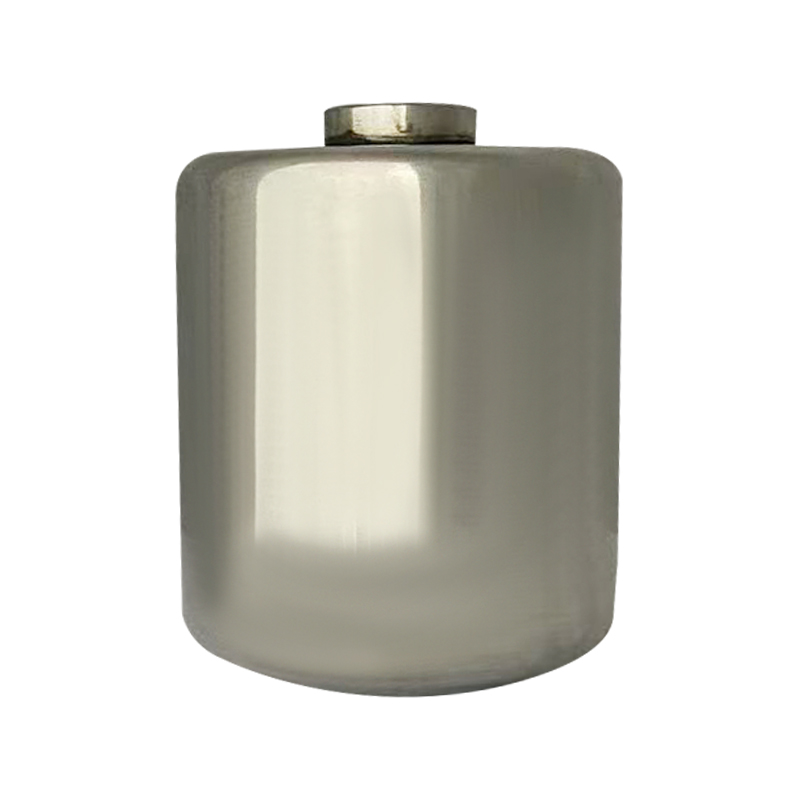
A Stainless Steel Float Ball Manufacturer produces high-quality float balls used for liquid level detection and control in various industrial, chemical, and water treatment systems. Float balls are designed to rise and fall with the liquid level, triggering switches or sensors that monitor the system. However, over time, float balls may become unresponsive or stick, affecting measurement accuracy and operational safety. Understanding common causes of malfunction and effective troubleshooting techniques is essential for maintaining reliable performance.
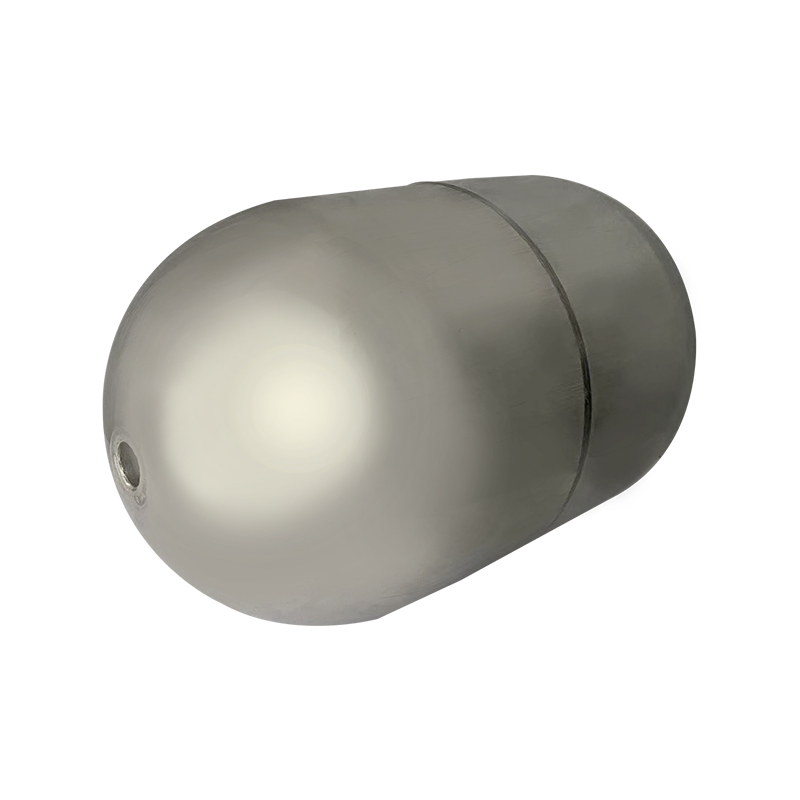
Common Causes of Float Ball Insensitivity
- Mechanical Obstructions: One of the frequent reasons a stainless steel float ball becomes unresponsive is physical obstruction. Debris, sediment, or scale buildup in tanks can interfere with the free movement of the float. Even small particles can prevent the float from moving smoothly along its intended path.
- Wear and Surface Damage: Continuous operation in turbulent or abrasive environments may cause surface scratches or dents, causing friction against guides or housing. These imperfections can restrict movement and reduce sensitivity.
- Sensor or Switch Malfunction: Float balls often interact with reed switches, magnetic sensors, or other level-detection devices. If these components are misaligned, damaged, or contaminated, the float ball may appear unresponsive even if it moves correctly.
- Buoyancy Issues: Corrosion, fluid absorption, or accumulation of residues on the float ball can alter its buoyancy. A float that has lost buoyancy may not rise or fall properly with the liquid level.
- Temperature or Chemical Effects: Extreme temperatures or highly corrosive liquids can affect the stainless steel surface or surrounding components, potentially causing sticking or delayed response.
Step-by-Step Troubleshooting Process
- Visual Inspection: Begin by inspecting the float ball and its housing for visible debris, corrosion, or physical damage. Ensure the float can move freely without contacting walls, guides, or other components.
- Check for Sensor Alignment: Verify that any associated sensors, reed switches, or magnetic detectors are properly aligned and securely mounted. Misalignment is a common source of perceived insensitivity.
- Test Movement Manually: Carefully lift and lower the float ball manually within its guide or chamber to ensure it moves without sticking. Observe for areas of friction or resistance that may require cleaning or adjustment.
- Clean and Remove Debris: If sediment, scale, or chemical buildup is detected, clean the float ball and surrounding components using an appropriate solution that does not damage stainless steel. This restores smooth movement and prevents future sticking.
- Examine Buoyancy: Check the float ball’s buoyancy by placing it in a clean sample of the same liquid. If it does not float correctly, replacement may be necessary, as compromised buoyancy affects responsiveness.
Preventive Measures for Long-Term Reliability
- Regular Maintenance: Routine inspection and cleaning help prevent debris accumulation and corrosion, maintaining the float ball’s sensitivity.
- Proper Installation: Ensure float balls are installed with adequate clearance from walls and guides to allow unobstructed movement.
- Material Selection: For highly corrosive or abrasive liquids, selecting higher-grade stainless steel or coated float balls from a reputable Stainless Steel Float Ball Manufacturer can reduce sticking and wear.
- Environmental Controls: Minimizing exposure to extreme temperatures, aggressive chemicals, and turbulent flow conditions extends the lifespan of the float ball and associated sensors.
Ensuring Reliable Float Ball Operation
A stainless steel float ball may become unresponsive or stick due to mechanical obstructions, wear, buoyancy issues, or sensor misalignment. Proper troubleshooting involves visual inspection, manual testing, sensor verification, and cleaning of the float and its housing. Preventive maintenance, careful installation, and selecting high-quality materials from a Stainless Steel Float Ball Manufacturer are critical for extending service life and maintaining measurement accuracy. By following these procedures, operators can ensure stable performance, reduce downtime, and maintain efficient liquid level control in a wide range of industrial applications.
Our Main Products



Contact Us
* We assure you that we will never divulge your privacy.

Quick Links
Product
Head Office
Room 201, Building 5, Yongjia Yulong Shoes Clothing Technology Innovation Micro Park, Oubei Street, Yongjia County, Wenzhou City, Zhejiang Province
Phone: +86-577-67329891
Tel: + 86-13868641338 / 13858813335
Fax: + 86-577-67329892
E-mail: [email protected]
Copyright © Yongjia County Yaokang Technology Co., Ltd.
Stainless Steel Float Ball Manufacturer
