
 EN
EN  English
 中文简体
中文简体
Yaokang Technology
Yaokang Technology
Yaokang Technology
Yaokang Technology
Industry News
What is the working principle of 304 stainless steel float valve?
Introduction to 304 Stainless Steel Float Valves:
The Stainless Steel Bracket Cylindrical Ball is a crucial component in various industrial processes, known for its corrosion resistance and durability. In our previous article, we outlined the basic working principle of these valves. Now, let's expand on this foundation with a comprehensive look at their operation, benefits, and applications.
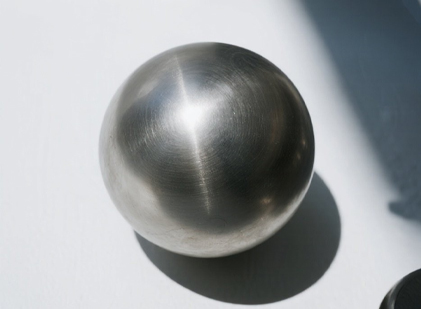
Operational Dynamics:
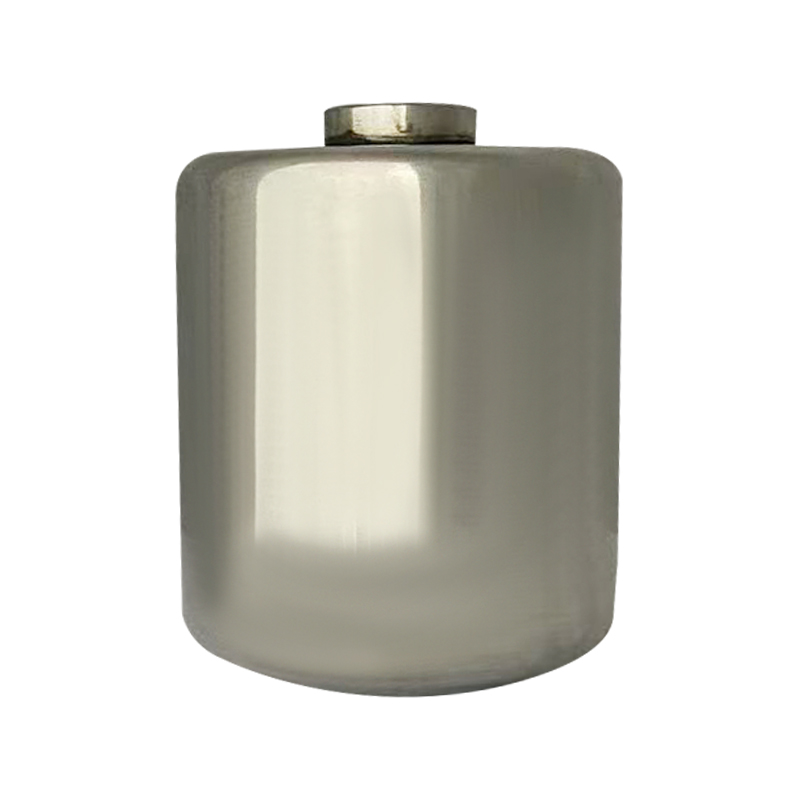
- Float Movement and Valve Action: The float valve operates on the principle of buoyancy. As the water level in a tank rises, the float, which is typically a spherical or cylindrical device made from 304 stainless steel, also rises. This movement is transmitted through a mechanical linkage to the valve, causing it to open or close accordingly. The float's position relative to the water level directly controls the valve's position.
- Precision and Reliability: 304 stainless steel float valves are renowned for their precision in controlling liquid levels. The float's buoyancy is finely tuned to respond to even minor changes in liquid level, ensuring a high degree of accuracy in maintaining the desired level.
Benefits of 304 Stainless Steel:
- Corrosion Resistance: The primary advantage of 304 stainless steel is its good corrosion resistance. This makes it ideal for use in environments where the valve may be exposed to aggressive chemicals or saline solutions, such as in marine applications or chemical processing.
- Durability and Strength: 304 stainless steel is also highly durable and strong, which is essential for withstanding the pressures and stresses associated with industrial applications. The material's strength ensures that the float valve can operate reliably over extended periods without failure.
Applications in Industry:
- Water Treatment Plants: In water treatment facilities, 304 stainless steel float valves are used to control the levels of water in holding tanks, ensuring that the treatment processes are not disrupted by overfilling or underfilling.
- Food and Beverage Industry: The food and beverage industry relies on the hygienic properties of 304 stainless steel float valves for maintaining the integrity of its products. These valves help control the levels of ingredients and processing liquids, ensuring consistency and quality.
- Chemical Processing: In chemical plants, the corrosion resistance and strength of 304 stainless steel float valves are critical for handling corrosive substances. They are used to control the levels of chemicals in reaction vessels, ensuring safety and efficiency in chemical production.
Maintenance and Longevity:
- Low Maintenance: A significant benefit of 304 stainless steel float valves is their low maintenance requirement. The valves are designed to be self-cleaning, with the float's movement helping to prevent the buildup of debris. This not only reduces the need for manual cleaning but also prolongs the life of the valve.
- Long Service Life: Due to the robustness of 304 stainless steel, these float valves can last for many years without significant wear. This longevity is a testament to the quality of the materials and the precision engineering that goes into their manufacture.
The 304 stainless steel float valve is a versatile and essential tool in the world of fluid control. Its ability to withstand harsh conditions, coupled with its precision and reliability, makes it an indispensable component in a wide range of industries. As technology continues to advance, we can expect to see further developments in the design and functionality of these valves, ensuring they remain at the forefront of liquid level control solutions.
Our Main Products



Contact Us
* We assure you that we will never divulge your privacy.

Quick Links
Product
Head Office
Room 201, Building 5, Yongjia Yulong Shoes Clothing Technology Innovation Micro Park, Oubei Street, Yongjia County, Wenzhou City, Zhejiang Province
Phone: +86-577-67329891
Tel: + 86-13868641338 / 13858813335
Fax: + 86-577-67329892
E-mail: [email protected]
Copyright © Yongjia County Yaokang Technology Co., Ltd.
Stainless Steel Float Ball Manufacturer
