
 EN
EN  English
 中文简体
中文简体
Yaokang Technology
Yaokang Technology
Yaokang Technology
Yaokang Technology
Industry News
Assessing Stainless Steel Float Ball Compatibility with Liquids
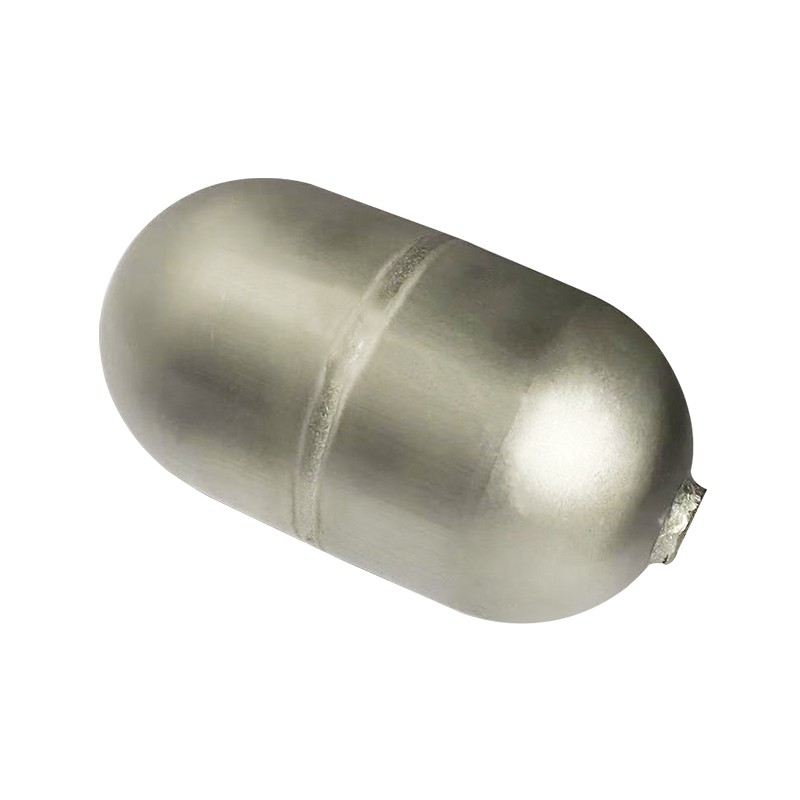
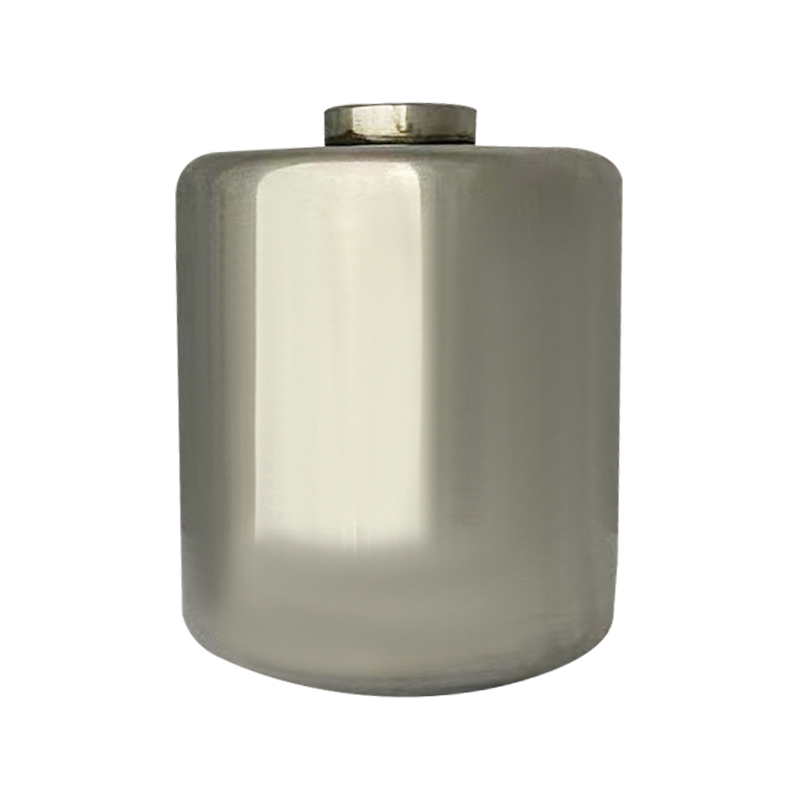
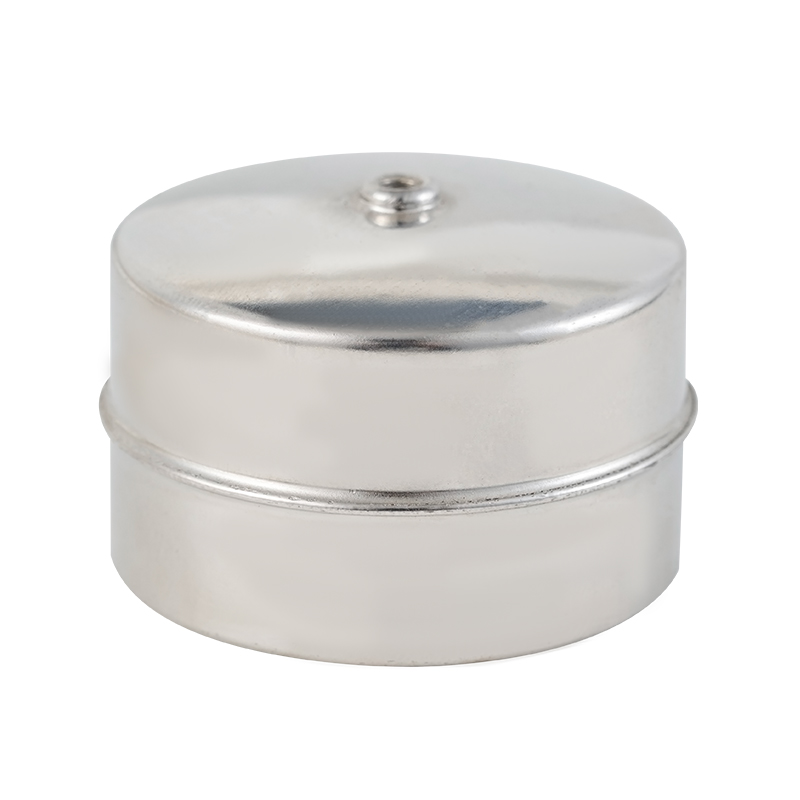
Stainless steel float balls are widely used in industrial and commercial liquid level control systems. They act as mechanical actuators for valves, sensors, and alarms, ensuring accurate monitoring of liquid levels in tanks, reservoirs, and pipelines. One critical consideration when selecting a stainless steel float ball is whether it is compatible with various liquid media. Understanding chemical compatibility, temperature tolerance, and material durability is essential for ensuring safety, reliability, and longevity in different applications. Trusted Stainless Steel Float Ball Manufacturers often provide guidance to help users choose the right product for their specific liquid environments.

Material Properties and Corrosion Resistance
The primary factor determining a stainless steel float ball’s compatibility with different liquids is the grade of stainless steel used. Common grades include 304, 316, and 316L stainless steel. Grade 304 is suitable for general-purpose applications and moderately corrosive liquids, while grade 316 or 316L contains molybdenum, which significantly enhances resistance to strong acids, alkalis, and chloride-containing solutions. The corrosion resistance of stainless steel ensures that the float ball maintains structural integrity and does not contaminate the liquid it contacts. Evaluating the chemical composition of both the liquid and the float ball material is essential before selection.
Compatibility with Acidic Liquids
Stainless steel float balls are often used in systems containing acidic liquids such as hydrochloric acid, sulfuric acid, or acetic acid. Grade 316 or 316L stainless steel offers good resistance to many acids, making it a preferred choice for such applications. However, extremely concentrated acids or high-temperature acidic environments can still accelerate corrosion over time. Therefore, it is important to consider both the concentration and operating temperature when assessing suitability. Consulting a manufacturer’s chemical resistance charts can help determine whether the float ball can safely contact a particular acidic medium.
Compatibility with Alkaline Liquids
Alkaline liquids, including sodium hydroxide and potassium hydroxide, present different challenges. Stainless steel generally resists moderate alkaline solutions, but prolonged exposure to strong bases, especially at elevated temperatures, can cause pitting or stress corrosion cracking. Grade 316 stainless steel is more robust under these conditions, but users should still evaluate operating conditions carefully. Float balls in alkaline solutions may require periodic inspection to ensure that the material has not degraded or become compromised.
Compatibility with Other Liquid Media
In addition to acids and bases, stainless steel float balls are often exposed to oils, water, solvents, and chemical mixtures. Stainless steel’s inertness and durability allow it to function reliably in many of these liquids without leaching or degradation. Temperature and viscosity of the liquid can also affect performance; high-viscosity liquids may require a slightly larger float ball to maintain buoyancy, while high-temperature liquids can affect material strength. Assessing compatibility involves considering all aspects of the liquid environment, including chemical composition, temperature, and potential mechanical stresses.
Operational Considerations and Maintenance
Even when a stainless steel float ball is chemically compatible, proper maintenance is essential. Regular inspection, cleaning, and monitoring for signs of corrosion or pitting extend the service life of the device. For highly aggressive liquids, using protective coatings, secondary containment, or selecting high-grade stainless steel ensures continued safe operation. Partnering with a reliable Stainless Steel Float Ball Manufacturer helps ensure that the selected product meets the necessary chemical and operational standards.
Ensuring Safe and Reliable Liquid Contact
Stainless steel float balls are generally suitable for a wide range of liquid media, including water, oils, acids, and alkalis, provided the appropriate stainless steel grade is selected. Evaluating material properties, liquid composition, and operating conditions is crucial for ensuring compatibility, preventing corrosion, and maintaining accurate liquid level control. By consulting trusted manufacturers and considering all chemical and mechanical factors, users can select float balls that deliver reliable performance and durability across diverse applications.
Our Main Products


Contact Us
* We assure you that we will never divulge your privacy.

Quick Links
Product
Head Office
Room 201, Building 5, Yongjia Yulong Shoes Clothing Technology Innovation Micro Park, Oubei Street, Yongjia County, Wenzhou City, Zhejiang Province
Phone: +86-577-67329891
Tel: + 86-13868641338 / 13858813335
Fax: + 86-577-67329892
E-mail: [email protected]
Copyright © Yongjia County Yaokang Technology Co., Ltd.
Stainless Steel Float Ball Manufacturer
