
 EN
EN  English
 中文简体
中文简体
Yaokang Technology
Yaokang Technology
Yaokang Technology
Yaokang Technology
Industry News
Selecting the Right Float Ball Based on Tank Dimensions
A float ball is a critical component in liquid level control systems, commonly used in tanks, reservoirs, and chemical containers to regulate flow or trigger alarms. Choosing the correct float ball ensures accurate level detection, safe operation, and longevity of the system. Factors such as liquid type, tank size, and installation environment play a crucial role in determining the suitable design. Consulting a reputable Float Ball Manufacturer can provide guidance tailored to specific operational requirements, ensuring reliable performance in both industrial and residential applications.
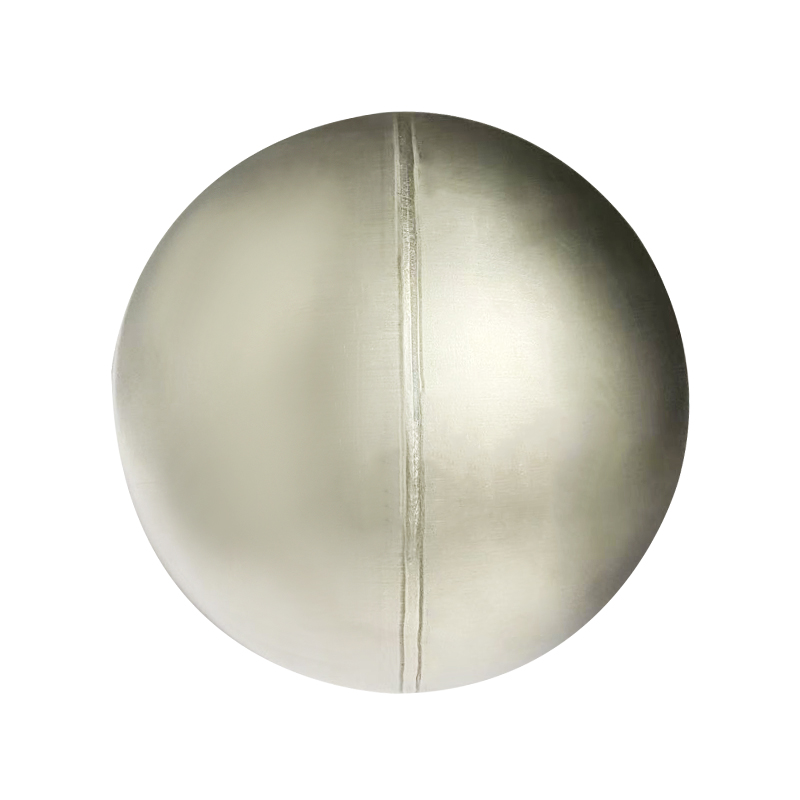
Understanding Tank Dimensions and Liquid Level Requirements
The one step in selecting an appropriate float ball is understanding the dimensions of the container and the desired liquid level range. The diameter and height of the tank influence the size and buoyancy required for the float ball. A larger tank or a higher liquid column may require a float ball with greater displacement to generate sufficient buoyant force for actuation. Conversely, small tanks or shallow containers require smaller float balls to avoid excessive movement or interference with tank walls. Precise measurement of tank dimensions allows for accurate selection of float ball size and ensures smooth operation without unnecessary mechanical strain.
Considering Liquid Type and Density
The type of liquid in the container also affects float ball selection. Different fluids have varying densities, viscosities, and chemical properties that influence buoyancy and material compatibility. Water, oil, acids, and alkaline solutions each interact differently with float ball materials. A float ball must be able to float reliably and withstand chemical exposure over time. High-density liquids may require larger or heavier float balls to maintain proper actuation, while low-density fluids may require a lighter or more buoyant design. Consulting with a Float Ball Manufacturer helps match the float ball material and size to the specific liquid being used.
Calculating Buoyant Force and Activation Requirements
Accurate operation of a float ball depends on its buoyant force relative to the liquid level. The buoyant force must be sufficient to move the attached lever, valve, or sensor without causing delayed or false readings. Calculating buoyancy involves considering the float ball’s volume, density, and the liquid’s specific gravity. For larger tanks, multiple float balls may be used at different heights to provide stepwise or continuous level detection. Ensuring the float ball generates adequate force for actuation prevents malfunction and maintains precise level control in critical applications.
Material Selection for Safety and Durability
Material selection is also essential for compatibility with tank dimensions and liquid properties. Stainless steel, polypropylene, and polyethylene are commonly used materials, each offering varying levels of chemical resistance, durability, and weight. Stainless steel is ideal for high-temperature or corrosive environments, while polypropylene and polyethylene offer lightweight, non-corrosive alternatives suitable for neutral liquids. The choice of material must consider both tank dimensions and operational conditions to ensure long-term performance and safety.
Installation Considerations and System Integration
The installation environment, including tank openings, mounting orientation, and available space, also affects float ball selection. The float ball must move freely within the liquid without interference from walls, baffles, or other equipment. Proper alignment and positioning are necessary to prevent false readings and mechanical wear. Working with a Float Ball Manufacturer can guide appropriate mounting hardware, lever arms, or linkage mechanisms for the specific tank configuration.
Ensuring Accurate Liquid Level Control
Selecting the right float ball based on liquid level and container size is a combination of precise measurement, material compatibility, and operational requirements. By evaluating tank dimensions, liquid properties, buoyancy needs, and installation constraints, users can choose float balls that deliver accurate and reliable performance. Consulting experienced Float Ball Manufacturers ensures that the selected design meets safety, durability, and functional requirements, providing dependable liquid level control across a wide range of applications.
Our Main Products



Contact Us
* We assure you that we will never divulge your privacy.

Quick Links
Product
Head Office
Room 201, Building 5, Yongjia Yulong Shoes Clothing Technology Innovation Micro Park, Oubei Street, Yongjia County, Wenzhou City, Zhejiang Province
Phone: +86-577-67329891
Tel: + 86-13868641338 / 13858813335
Fax: + 86-577-67329892
E-mail: [email protected]
Copyright © Yongjia County Yaokang Technology Co., Ltd.
Stainless Steel Float Ball Manufacturer
