
 EN
EN  English
 中文简体
中文简体
Yaokang Technology
Yaokang Technology
Yaokang Technology
Yaokang Technology
Industry News
Evaluating the Pressure and Buoyancy of a Stainless Steel Float Ball
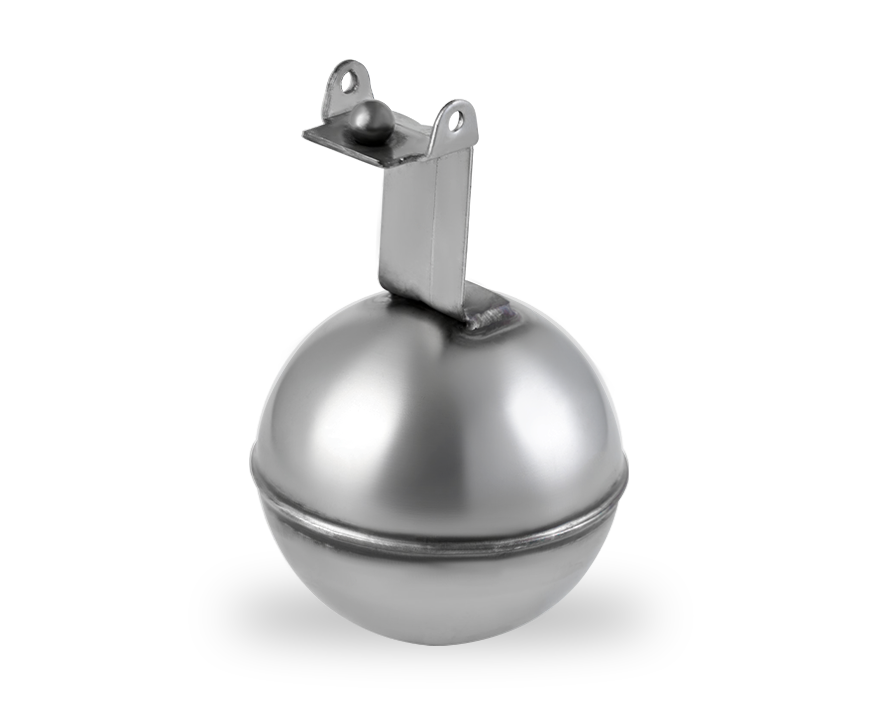
Stainless steel float balls are essential components in liquid level control systems, widely used in tanks, pipelines, and industrial reservoirs. They serve as mechanical actuators for valves, sensors, or alarms, ensuring precise monitoring of fluid levels. Understanding how to evaluate their pressure resistance and buoyancy performance is critical for selecting the right product for specific applications. Reputable suppliers, including a specialized Stainless Steel Float Ball Factory, often provide guidance on performance metrics to ensure safe and reliable operation in demanding environments.
Material Properties and Pressure Resistance
The pressure resistance of a stainless steel float ball depends primarily on the grade of stainless steel, wall thickness, and manufacturing method. High-grade stainless steel, such as 316L, provides good corrosion resistance and strength, allowing the float ball to withstand higher internal and external pressures. Evaluating pressure performance begins with understanding the operating pressure of the system and comparing it to the structural limits of the float ball. Manufacturers may provide rated pressure values based on standardized testing, which should be cross-checked with application requirements to ensure safe operation.
Buoyancy Principles and Performance
Buoyancy is the force that allows the float ball to rise and fall with the liquid level, and it is directly influenced by the volume of the float ball, the density of the liquid, and the overall weight of the ball. To evaluate buoyancy performance, one must calculate the net upward force, which is the difference between the buoyant force and the weight of the float ball itself. A properly designed float ball must generate enough buoyant force to actuate connected levers or sensors reliably, even in viscous or high-density liquids. Insufficient buoyancy can cause delayed response, inaccurate level readings, or mechanical malfunction.
Testing Methods for Pressure and Buoyancy
Laboratory testing is essential to assess both pressure and buoyancy performance. Pressure tests often involve submerging the float ball in water or liquid under controlled conditions and gradually increasing internal or external pressure to determine the failure threshold. Buoyancy testing involves measuring the force generated when the float ball is immersed in liquids of varying densities. Observing the float ball’s rise, stability, and ability to trigger mechanical actions under these conditions provides a practical assessment of its operational suitability.
Design Considerations for Enhanced Performance
The geometry and wall thickness of the stainless steel float ball play a crucial role in both pressure resistance and buoyancy. Spherical shapes with uniform wall thickness distribute stress evenly, reducing the risk of deformation under pressure. Hollow designs reduce weight while maintaining structural strength, optimizing buoyancy performance. Surface finishing and welding quality also influence durability and corrosion resistance, which are critical factors in harsh chemical or industrial environments.
Operational Factors and Safety Margins
Evaluating performance should also account for operational variables such as temperature, chemical exposure, and liquid dynamics. High temperatures can affect material strength, while aggressive chemicals may reduce corrosion resistance over time. Including safety margins in pressure and buoyancy calculations ensures that the stainless steel float ball can operate reliably under unexpected conditions. Consulting a Stainless Steel Float Ball Factory with experience in industrial standards can help in selecting a product that meets both safety and performance requirements.
Ensuring Reliable Float Ball Performance
Evaluating the pressure resistance and buoyancy of a stainless steel float ball requires a combination of material analysis, geometric design, laboratory testing, and consideration of operational conditions. Understanding these factors ensures accurate and reliable liquid level control, prevents mechanical failure, and prolongs the service life of the system. Proper assessment and selection from experienced suppliers guarantee that float balls deliver dependable performance in diverse industrial applications.
Our Main Products



Contact Us
* We assure you that we will never divulge your privacy.

Quick Links
Product
Head Office
Room 201, Building 5, Yongjia Yulong Shoes Clothing Technology Innovation Micro Park, Oubei Street, Yongjia County, Wenzhou City, Zhejiang Province
Phone: +86-577-67329891
Tel: + 86-13868641338 / 13858813335
Fax: + 86-577-67329892
E-mail: [email protected]
Copyright © Yongjia County Yaokang Technology Co., Ltd.
Stainless Steel Float Ball Manufacturer
