
 EN
EN  English
 中文简体
中文简体
Yaokang Technology
Yaokang Technology
Yaokang Technology
Yaokang Technology
Industry News
Coatings and Corrosion Resistance of Float Balls
The Challenge of Corrosive Media
In industries such as chemical processing, water treatment, and plating, Float Balls are often exposed to corrosive liquids. Choosing the right material alone is not always enough to ensure long-term durability. Many engineers consult a reputable Float Ball Manufacturer to evaluate how electroplating or surface coatings can extend the lifespan of these devices.
- Corrosive environments: Acids, alkalis, and saline solutions can degrade unprotected metals.
- Operational risk: Corrosion can cause leaks, malfunctions, and unexpected downtime.
- Economic impact: Replacing damaged float balls frequently increases maintenance costs.
Proper surface treatment is therefore critical for reliable operation.
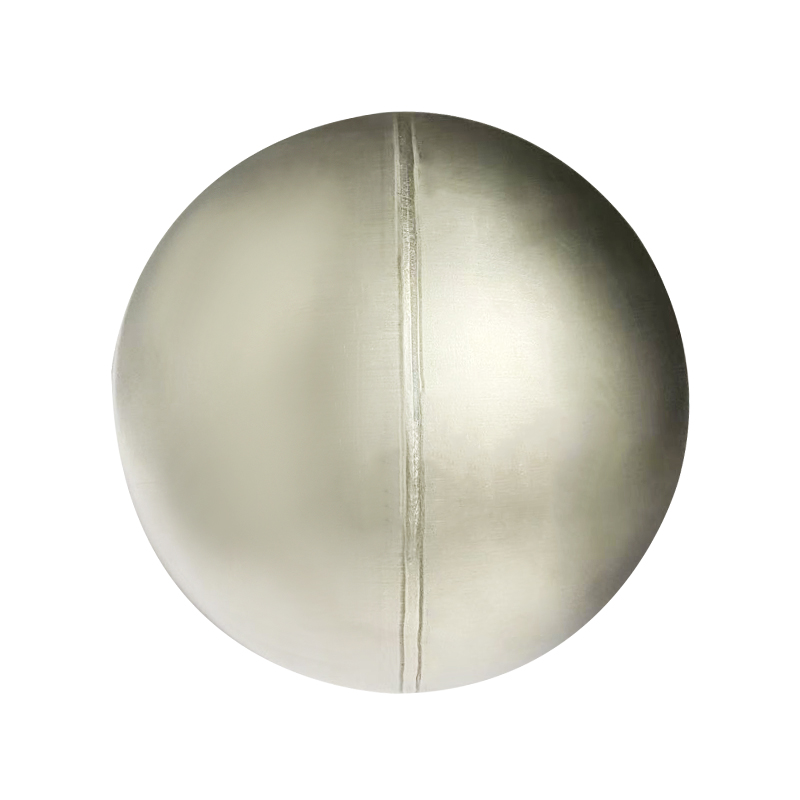
How Electroplating Enhances Durability
Electroplating deposits a thin metallic layer on the float ball’s surface, improving resistance to chemical attack.
- Barrier protection: Coatings like nickel or chromium prevent corrosive media from reaching the base metal.
- Reduced pitting: Even in localized exposure, electroplated surfaces reduce micro-cracks that could cause failure.
- Improved surface smoothness: A smoother finish reduces material adherence and scaling, which can accelerate corrosion.
Electroplating is particularly beneficial in chemical tanks or plating baths where acids are present.
Protective Coatings for Float Balls
Aside from electroplating, polymer-based coatings also play a significant role in extending service life.
- PTFE or epoxy coatings: Provide chemical resistance while maintaining low friction for smooth operation.
- Uniform thickness: Ensures all surfaces are equally protected against aggressive liquids.
- Flexibility under stress: High-quality coatings can tolerate mechanical stress without cracking, preserving integrity.
Coatings are often applied by Float Ball Manufacturers to match specific chemical environments and operational conditions.
Material Selection and Coating Synergy
The effectiveness of coatings depends on the underlying material of the float ball.
- Stainless steel base: Offers inherent corrosion resistance and structural strength.
- Aluminum or mild steel base: Requires thicker or multiple layers of coating for similar protection.
- Compatibility: Coating materials must adhere well to the base metal and resist peeling in corrosive liquids.
Combining the right material with appropriate coatings ensures suitable durability and operational reliability.
Operational Considerations in Corrosive Environments
Even with plating or coatings, usage conditions affect the longevity of Float Balls.
- Temperature: Elevated temperatures can accelerate chemical reactions and weaken coatings.
- Pressure and movement: High-pressure flow or frequent motion can wear down protective layers.
- pH fluctuations: Sudden changes in acidity or alkalinity can stress both coatings and base metals.
Routine inspection and maintenance help detect early signs of wear or coating degradation.
Testing and Quality Assurance
Reputable Float Ball Manufacturers implement rigorous testing to ensure coated or plated floats perform under harsh conditions.
- Chemical immersion tests: Evaluate corrosion resistance over extended periods.
- Mechanical stress tests: Simulate operational forces to verify coating adhesion.
- Environmental cycling: Tests resistance to temperature and pH variations that occur in real-world applications.
These evaluations assure that the float will maintain performance and longevity in corrosive media.
Electroplating and specialized coatings significantly improve the durability of Float Balls in corrosive environments. Coatings act as a barrier, prevent pitting, and reduce wear from chemical interactions, while the base material provides structural support. By carefully selecting the right material, coating type, and thickness, engineers can ensure reliable performance and extended service life. Working with an experienced Float Ball Manufacturer ensures that components are designed, coated, and tested to withstand harsh industrial conditions, reducing downtime and maintenance costs while maintaining operational safety and efficiency.
Our Main Products



Contact Us
* We assure you that we will never divulge your privacy.

Quick Links
Product
Head Office
Room 201, Building 5, Yongjia Yulong Shoes Clothing Technology Innovation Micro Park, Oubei Street, Yongjia County, Wenzhou City, Zhejiang Province
Phone: +86-577-67329891
Tel: + 86-13868641338 / 13858813335
Fax: + 86-577-67329892
E-mail: [email protected]
Copyright © Yongjia County Yaokang Technology Co., Ltd.
Stainless Steel Float Ball Manufacturer
