
 EN
EN  English
 中文简体
中文简体
Yaokang Technology
Yaokang Technology
Yaokang Technology
Yaokang Technology
Industry News
Comparative Performance Advantages of Stainless Steel Float Ball
Material Composition and Durability
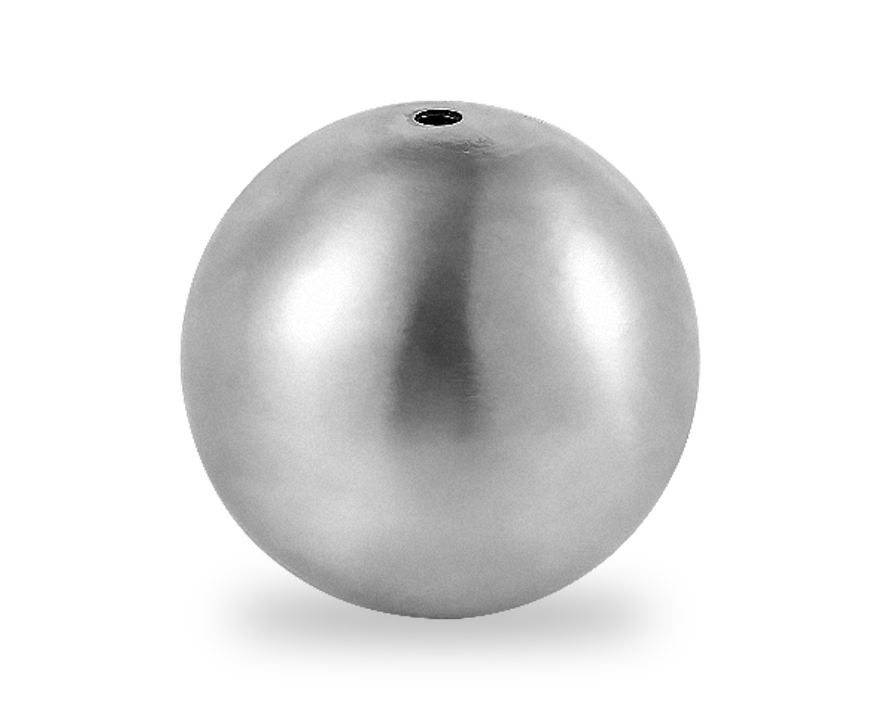
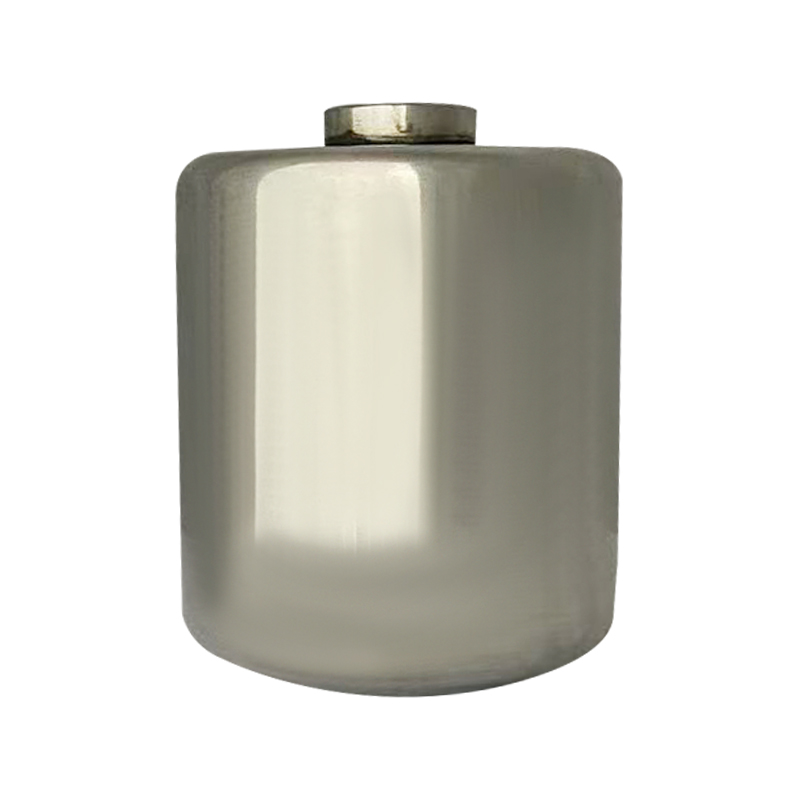
Products from a professional Stainless Steel Float Ball Factory are designed with high-grade alloys that provide good durability and corrosion resistance. Compared with plastic float balls, stainless steel versions are capable of maintaining their structural integrity even after long-term exposure to harsh environments such as chemical liquids, high temperatures, or saltwater. The metallic composition prevents brittleness, cracking, and degradation that often affect plastic materials. Furthermore, stainless steel resists UV radiation and oxidation, extending its service life significantly and ensuring reliability in industrial, marine, and high-pressure applications. This good durability makes it ideal for critical systems where consistent buoyancy and performance are essential over years of operation.
Temperature and Pressure Resistance
One of the striking advantages of stainless steel over plastic materials is its good resistance to temperature and pressure variations. While plastic float balls can deform or melt under elevated temperatures, stainless steel maintains its shape and buoyancy characteristics even in boiling or pressurized environments. In industries such as oil refining, food processing, and chemical manufacturing, where the working medium may fluctuate between hot and cold or be under varying pressure, stainless steel float balls deliver stable operation. Their ability to function without structural distortion ensures accurate level measurement and fluid control, contributing to both process efficiency and equipment safety.
Mechanical Strength and Dimensional Stability
Mechanical robustness is another defining feature that distinguishes stainless steel from plastic alternatives. Stainless steel float balls can withstand heavy mechanical loads, impacts, and vibration without permanent deformation or loss of performance. This characteristic allows them to be used in demanding environments such as pipelines, steam tanks, or high-flow systems, where pressure changes and movement are frequent. Plastic balls, though lightweight, often expand or contract due to temperature changes, causing inaccuracies in liquid level detection. Stainless steel, by contrast, retains consistent dimensions and buoyancy, enabling high-precision control in automatic valves, sensors, and float switches.
Chemical Resistance and Cleanliness
In addition to its mechanical strength, stainless steel exhibits strong chemical resistance, making it suitable for use in environments involving acids, bases, and organic solvents. Plastic materials, depending on their type, can dissolve, swell, or lose mechanical strength when exposed to certain chemicals. Stainless steel remains chemically stable and does not leach harmful substances into the medium it contacts. This makes it particularly valuable in food-grade, pharmaceutical, and water treatment systems, where hygiene and purity are critical. The smooth surface of stainless steel is also easier to clean and sterilize, preventing microbial accumulation and ensuring compliance with sanitary standards.
Long-Term Economic Efficiency
Although stainless steel float balls have a higher initial cost than plastic ones, their long service life and minimal maintenance requirements provide significant long-term economic benefits. The lower failure rate reduces downtime and replacement expenses, while their consistent performance ensures operational stability in automated systems. The reliability of stainless steel reduces process interruptions and the risk of leakage or false readings. In sectors such as chemical engineering or environmental monitoring, where precision and safety are paramount, investing in high-quality stainless steel float balls proves more cost-effective over time.
Good Reliability Across Applications
Stainless steel float balls outperform plastic alternatives in virtually all critical performance metrics—durability, temperature and pressure tolerance, mechanical stability, and chemical resistance. Products from a trusted Stainless Steel Float Ball Factory offer good reliability and accuracy in liquid level control systems across industries. Whether applied in harsh industrial conditions or delicate sanitary processes, stainless steel float balls ensure long-term stability and dependable performance, making them a good choice wherever precision and endurance are required.
Our Main Products



Contact Us
* We assure you that we will never divulge your privacy.

Quick Links
Product
Head Office
Room 201, Building 5, Yongjia Yulong Shoes Clothing Technology Innovation Micro Park, Oubei Street, Yongjia County, Wenzhou City, Zhejiang Province
Phone: +86-577-67329891
Tel: + 86-13868641338 / 13858813335
Fax: + 86-577-67329892
E-mail: [email protected]
Copyright © Yongjia County Yaokang Technology Co., Ltd.
Stainless Steel Float Ball Manufacturer
