
 EN
EN  English
 中文简体
中文简体
Yaokang Technology
Yaokang Technology
Yaokang Technology
Yaokang Technology
Industry News
Corrosion Resistance and Durability of the Float Ball Factory
Importance of Material Quality
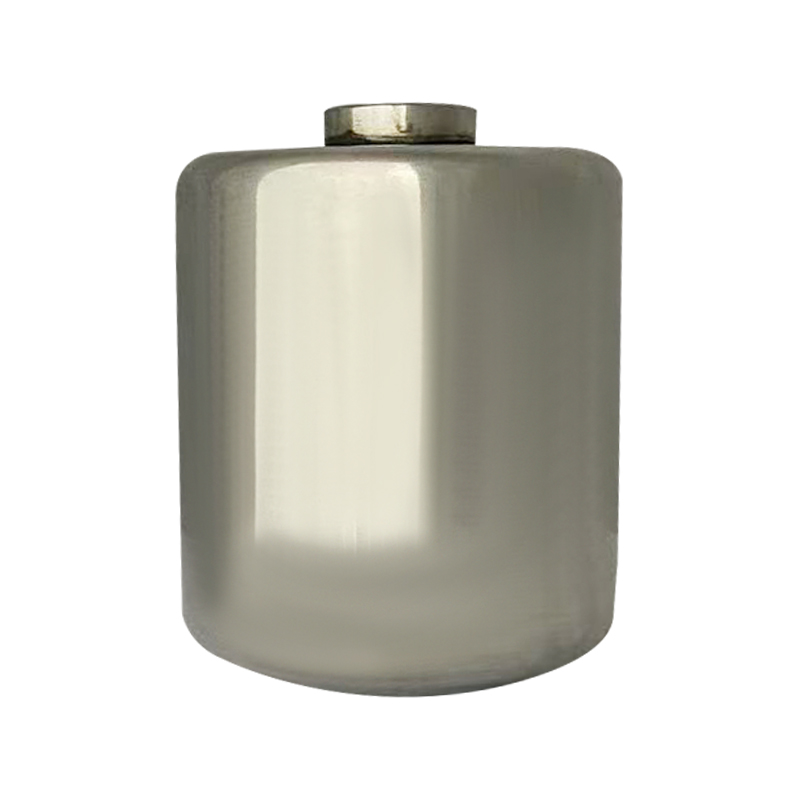
Float balls are essential components in liquid level control systems, commonly used in water tanks, industrial reservoirs, and chemical storage. The performance of a float ball largely depends on its material quality and manufacturing process. A reputable Float Ball Factory ensures that its products meet high standards of corrosion resistance and durability, which are critical for maintaining reliable operation over long periods.
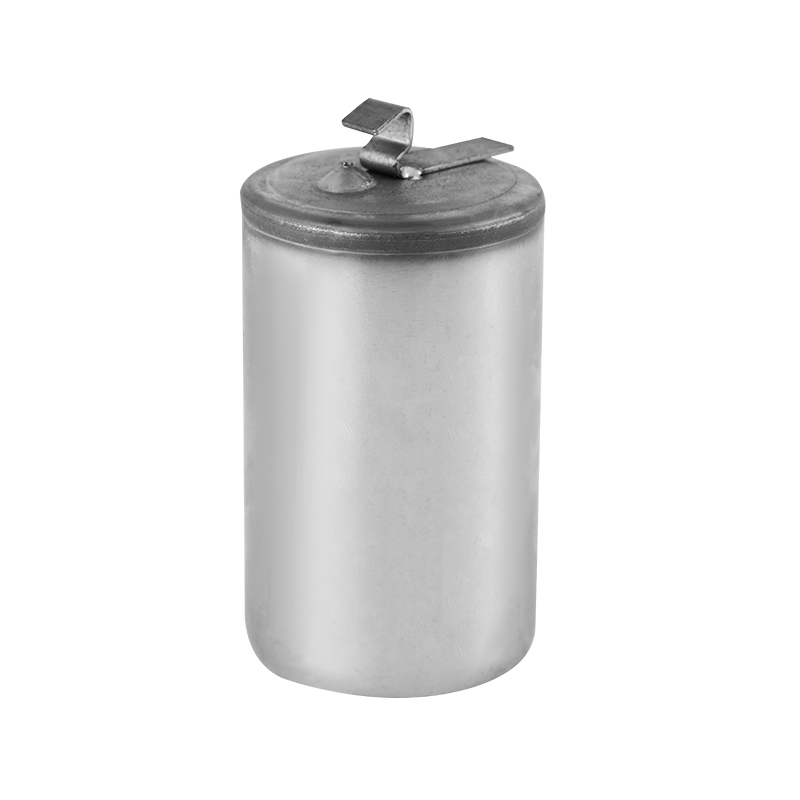
Material Selection for Corrosion Resistance
The one factor in determining the corrosion resistance of a float ball is the material used. Stainless steel is commonly preferred for its good resistance to rust and chemical attack. High-grade stainless steel alloys, such as 304 or 316, provide good protection against oxidation, chlorides, and other corrosive agents found in water, brine, or chemical solutions. A Float Ball Factory that prioritizes quality material selection can produce float balls capable of withstanding harsh environments without degrading over time.
Protective Coatings and Surface Treatments
In addition to using high-quality stainless steel, many float balls benefit from protective coatings or surface treatments. Polishing, passivation, or electropolishing can enhance the corrosion resistance by creating a smooth surface that reduces the adhesion of corrosive substances. These treatments also prevent pitting and surface defects that could compromise the float ball’s integrity. A professional Float Ball Factory employs advanced surface treatment methods to extend the service life of its products while maintaining reliable performance in various environments.
Durability and Mechanical Strength
Durability is another crucial consideration. Float balls must withstand repeated mechanical stress from liquid movement, pressure fluctuations, and installation handling. Stainless steel’s inherent strength provides good resistance to deformation, denting, or cracking, which is especially important in industrial applications where float balls may be subjected to rigorous conditions. High-quality welding and fabrication techniques further enhance durability, ensuring that float balls maintain their shape and function over many years of continuous operation.
Environmental and Usage Considerations
The durability and corrosion resistance of float balls also depend on the environment in which they are used. Exposure to highly acidic or alkaline liquids, extreme temperatures, or saltwater can accelerate wear and corrosion. A reliable Float Ball Factory considers these factors during product design and testing, producing float balls with appropriate material grades and surface treatments tailored to specific applications. This ensures that the float balls continue to operate effectively even under challenging conditions.
Maintenance and Longevity
Proper maintenance also contributes to long-term durability. Regular inspection for signs of corrosion, debris accumulation, or mechanical wear can help extend the life of a float ball. Cleaning and occasional lubrication of pivot points or linkages prevent corrosion and maintain smooth operation. Float balls produced by a reputable Float Ball Factory are designed to require maintenance while providing reliable service over extended periods, making them suitable for both industrial and residential applications.
Ensuring Reliable and Long-Lasting Performance
The corrosion resistance and durability of float balls are determined by material quality, surface treatment, mechanical strength, and environmental factors. A professional Float Ball Factory combines high-grade stainless steel, advanced fabrication techniques, and rigorous testing to produce products capable of withstanding harsh conditions while maintaining reliable performance. Selecting float balls from a reputable manufacturer ensures that liquid level control systems remain accurate, efficient, and long-lasting, reducing maintenance costs and enhancing overall system reliability.
Our Main Products



Contact Us
* We assure you that we will never divulge your privacy.

Quick Links
Product
Head Office
Room 201, Building 5, Yongjia Yulong Shoes Clothing Technology Innovation Micro Park, Oubei Street, Yongjia County, Wenzhou City, Zhejiang Province
Phone: +86-577-67329891
Tel: + 86-13868641338 / 13858813335
Fax: + 86-577-67329892
E-mail: [email protected]
Copyright © Yongjia County Yaokang Technology Co., Ltd.
Stainless Steel Float Ball Manufacturer
