
 EN
EN  English
 中文简体
中文简体
Yaokang Technology
Yaokang Technology
Yaokang Technology
Yaokang Technology
Industry News
Suitability of Stainless Steel Float Ball Factory for Harsh Liquids
Challenges of Corrosive Environments
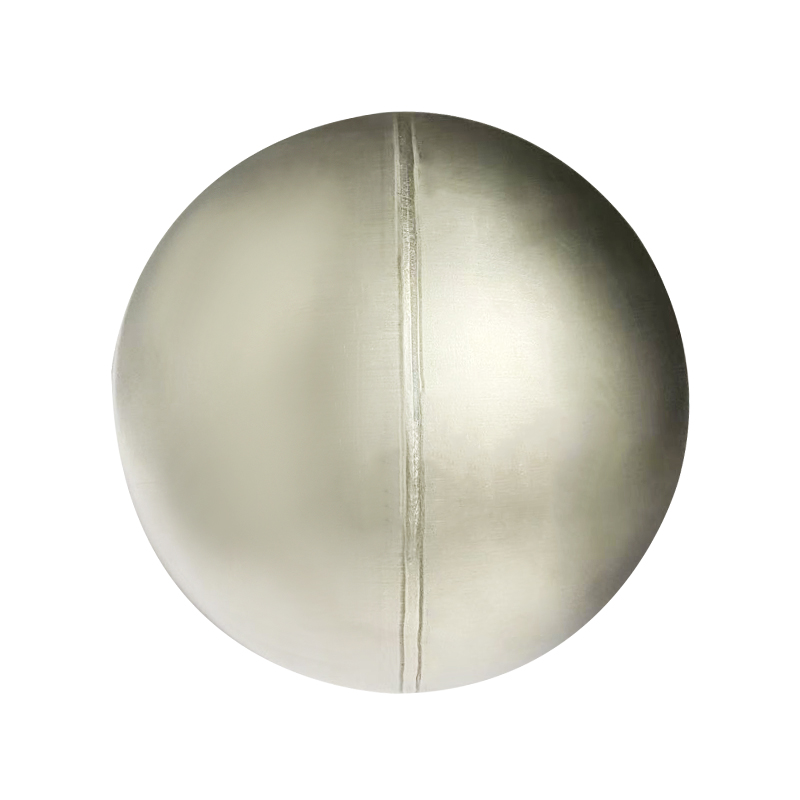
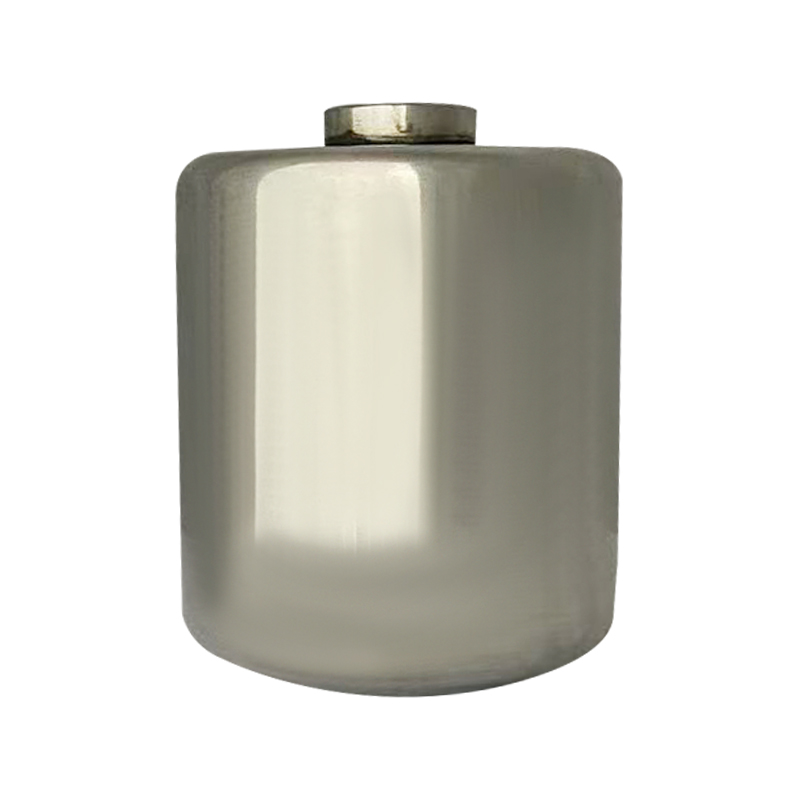
Stainless Steel Float Ball Factory produces essential components for liquid level control in a variety of applications, including water tanks, industrial storage, and chemical systems. One of the critical considerations for users is whether these float balls can reliably operate in highly corrosive environments, such as seawater or acidic and alkaline solutions. Understanding the material properties, design features, and manufacturing quality is crucial to ensure suitable performance and longevity under such conditions.
Material Selection and Corrosion Resistance
The primary factor determining suitability is the stainless steel grade used in the float balls. High-quality alloys such as 316 stainless steel contain higher levels of chromium, nickel, and molybdenum, offering good resistance to chloride-induced corrosion, which is prevalent in seawater. Lower-grade stainless steels, such as 304, may be more susceptible to pitting and crevice corrosion when exposed to harsh chemical environments. A reputable Stainless Steel Float Ball Factory selects appropriate alloys to withstand the specific chemical composition of the liquid being measured, ensuring long-term reliability.
Surface Treatment and Passivation
In addition to alloy selection, surface treatment plays a crucial role in enhancing corrosion resistance. Polishing, passivation, and electropolishing create a smooth, protective oxide layer that prevents direct contact between the metal and corrosive agents. This reduces the risk of pitting and surface degradation. High-quality Stainless Steel Float Ball Factory products often undergo these treatments to improve durability, particularly when used in seawater, acidic, or alkaline liquids. Proper surface finishing also ensures smooth operation, reducing friction and wear in liquid level control mechanisms.
Design Considerations for Harsh Liquids
Float balls designed for corrosive liquids must also consider mechanical and structural factors. Uniform wall thickness, reinforced welds, and rounded surfaces help resist localized stress and chemical attack. Seals and connecting components should be made from compatible materials that do not corrode or react with the liquid. A reliable Stainless Steel Float Ball Factory incorporates these design elements, producing float balls that maintain integrity and functionality in demanding applications.
Environmental and Operational Factors
The performance of stainless steel float balls in seawater or acidic/alkaline solutions also depends on operational factors. Continuous exposure to high salinity, extreme pH levels, or elevated temperatures can accelerate wear and corrosion. Regular maintenance, including periodic cleaning and inspection for pitting or scaling, can extend service life. Factories that specialize in stainless steel float balls often provide guidelines for suitable operation and maintenance in corrosive environments, helping users improve durability and reliability.
Applications in Industry
Stainless steel float balls designed for harsh liquids are widely used in marine environments, chemical processing, wastewater treatment, and desalination systems. Their resistance to corrosion and ability to maintain precise buoyancy make them ideal for monitoring liquid levels in tanks, pipelines, and storage containers. Selecting products from a reputable Stainless Steel Float Ball Factory ensures that the float balls can withstand continuous exposure to challenging liquids without compromising performance.
Reliable Choice for Corrosive Applications
Stainless steel float balls can be highly suitable for use in seawater or acidic/alkaline liquids if manufactured with the appropriate alloy, surface treatment, and design considerations. A professional Stainless Steel Float Ball Factory focuses on high-grade materials, protective surface finishing, and robust construction to deliver products capable of operating in corrosive environments. By selecting well-designed float balls and following proper maintenance practices, users can achieve reliable, long-lasting performance even under harsh liquid conditions.
Our Main Products



Contact Us
* We assure you that we will never divulge your privacy.

Quick Links
Product
Head Office
Room 201, Building 5, Yongjia Yulong Shoes Clothing Technology Innovation Micro Park, Oubei Street, Yongjia County, Wenzhou City, Zhejiang Province
Phone: +86-577-67329891
Tel: + 86-13868641338 / 13858813335
Fax: + 86-577-67329892
E-mail: [email protected]
Copyright © Yongjia County Yaokang Technology Co., Ltd.
Stainless Steel Float Ball Manufacturer
