
 EN
EN  English
 中文简体
中文简体
Yaokang Technology
Yaokang Technology
Yaokang Technology
Yaokang Technology
Industry News
Extending Stainless Steel Float Ball Lifespan in Corrosive Environments
Introduction to Stainless Steel Float Balls
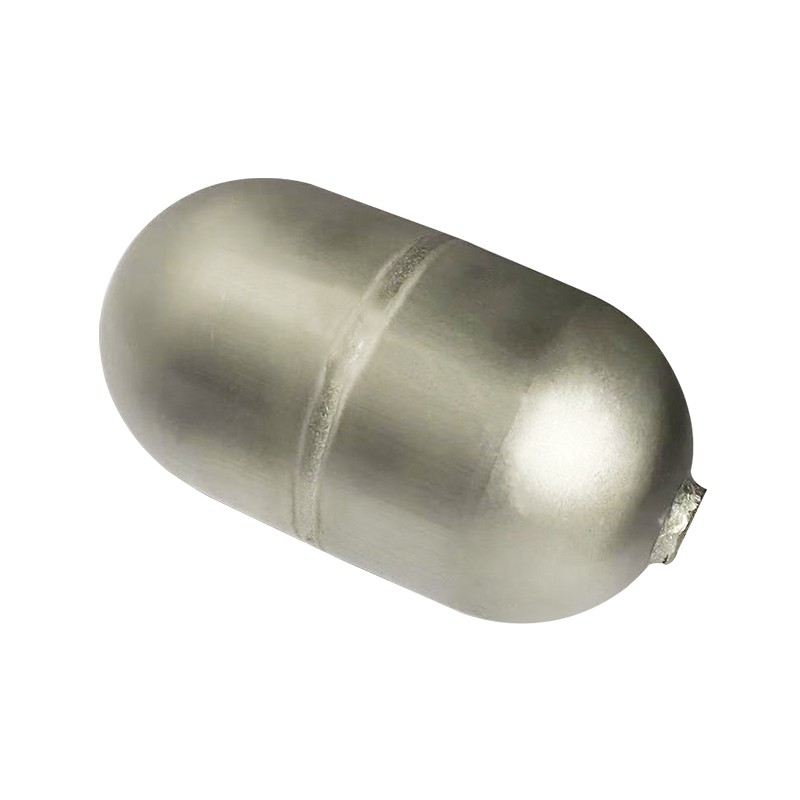
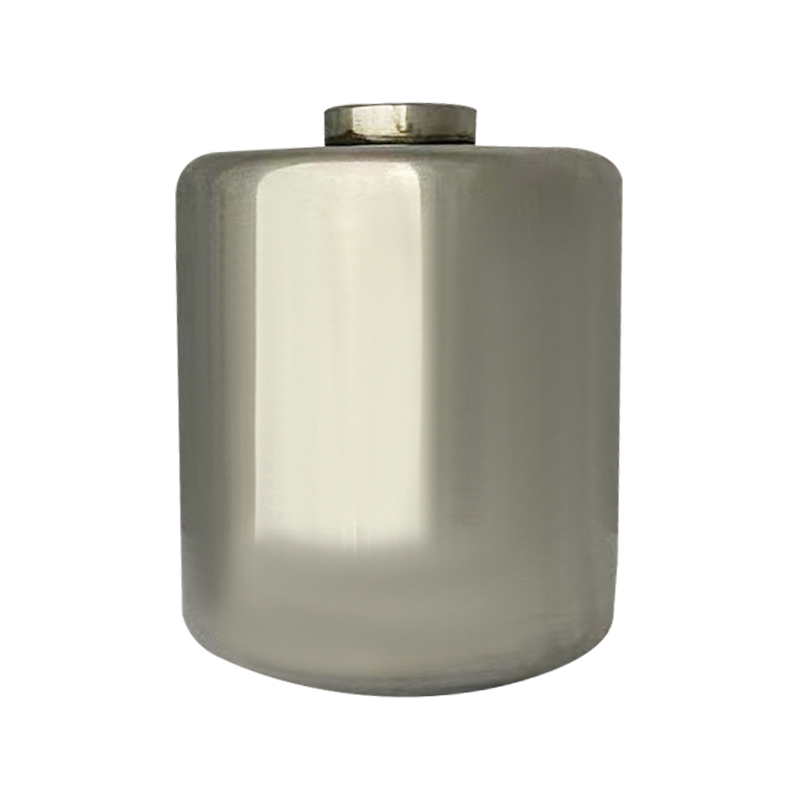
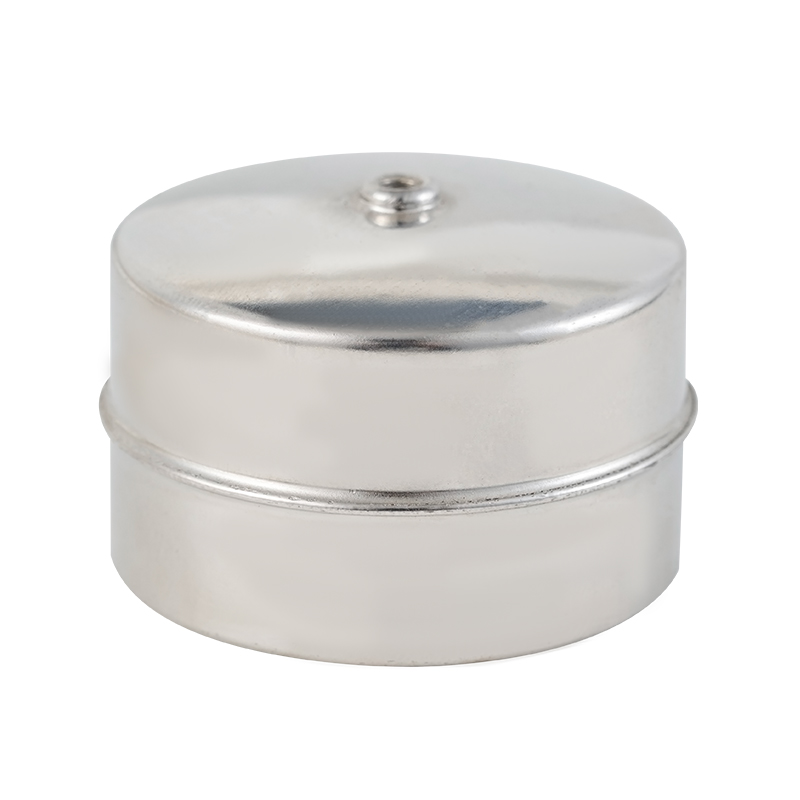
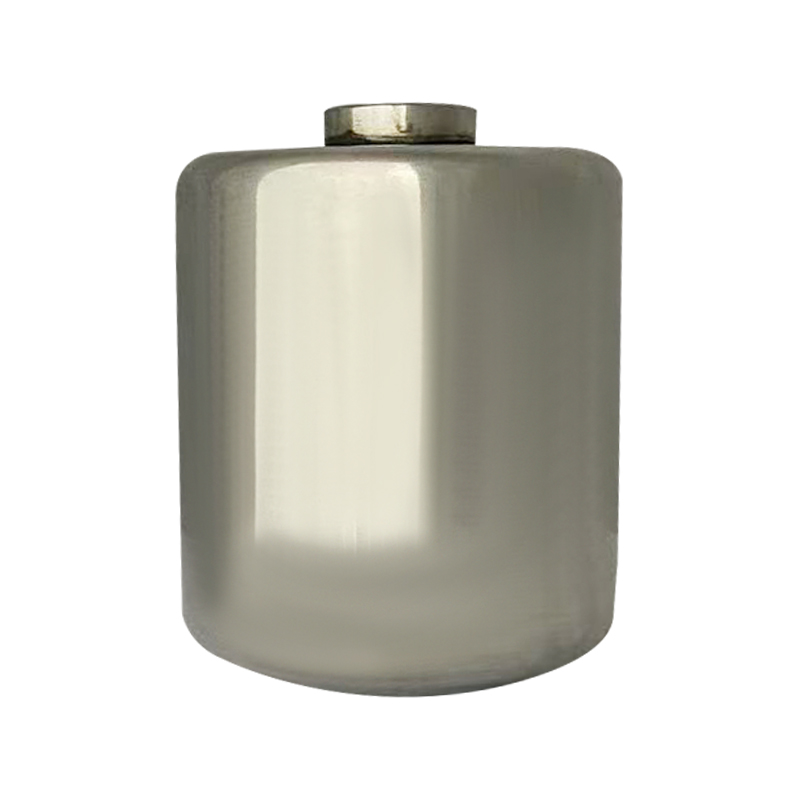
A Stainless Steel Float Ball Factory produces high-quality float balls designed to monitor and control liquid levels in tanks, pipelines, and industrial systems. These devices are widely used due to their durability, buoyancy, and resistance to corrosion. However, in highly corrosive environments, such as those containing acids, alkalis, or saline water, even stainless steel components can experience degradation over time. Extending the service life of stainless steel float balls in these conditions requires careful material selection, maintenance, and protective measures.

Choosing the Right Stainless Steel Grade
Material Selection: The one step to enhancing the lifespan of a stainless steel float ball in corrosive environments is selecting the appropriate stainless steel grade. 304 stainless steel is suitable for general applications but may not perform well in highly acidic or chloride-rich environments.
High-Grade Alloys: 316 stainless steel offers good resistance to corrosion, particularly against chlorides and mild acids. For extremely aggressive chemicals, specialty alloys such as duplex stainless steel or nickel-based alloys may be necessary.
Factory Expertise: A Stainless Steel Float Ball Factory can advise on the suitable material based on the liquid type, concentration, and operating temperature to ensure longevity.
Protective Coatings and Treatments
- Surface Treatments: Applying protective coatings such as electropolishing or passivation can significantly improve corrosion resistance. Electropolishing smooths the metal surface, reducing crevices where corrosive agents can accumulate. Passivation enhances the natural oxide layer of stainless steel, forming a more robust protective barrier.
- External Coatings: In extremely corrosive environments, additional coatings like PTFE or epoxy can be applied to the float ball surface. These coatings act as a physical barrier, preventing direct contact with aggressive liquids.
- Preventing Galvanic Corrosion: When float balls are installed in systems with dissimilar metals, insulating materials or coatings can prevent galvanic corrosion, which accelerates metal degradation.
Maintenance and Operational Considerations
- Regular Inspection: Frequent inspection of float balls is critical for early detection of surface pitting, discoloration, or other signs of corrosion. Timely maintenance can prevent small issues from escalating into system failures.
- Cleaning Procedures: Periodic cleaning removes chemical deposits, biofilms, and other contaminants that may accelerate corrosion. Gentle cleaning methods that do not damage protective layers are recommended.
- Monitoring Operating Conditions: Maintaining stable temperatures, avoiding sudden chemical shocks, and controlling pH levels within acceptable ranges can significantly extend the float ball’s operational life.
Design and Installation Practices
Proper Mounting: Ensuring that float balls are mounted correctly and move freely without contact with other components reduces mechanical wear and stress, which can exacerbate corrosion.
Avoiding Stagnant Areas: Installing float balls in locations with sufficient liquid flow prevents localized corrosion caused by stagnant fluids or sediment buildup.
System Compatibility: Matching the float ball material with other system components helps reduce corrosion risks, especially when multiple metals are in contact.
Improving Float Ball Longevity
Stainless steel float balls offer reliable performance, but their lifespan in corrosive environments can be limited without proper precautions. Selecting the right stainless steel grade, applying protective treatments, maintaining regular inspections, and optimizing installation conditions are key strategies to prevent corrosion and extend service life. A Stainless Steel Float Ball Factory can guide material choice, protective coatings, and practices for installation. By combining these measures, operators can ensure long-lasting performance, reduce maintenance costs, and maintain accurate liquid level control in challenging chemical environments.
Our Main Products



Contact Us
* We assure you that we will never divulge your privacy.

Quick Links
Product
Head Office
Room 201, Building 5, Yongjia Yulong Shoes Clothing Technology Innovation Micro Park, Oubei Street, Yongjia County, Wenzhou City, Zhejiang Province
Phone: +86-577-67329891
Tel: + 86-13868641338 / 13858813335
Fax: + 86-577-67329892
E-mail: [email protected]
Copyright © Yongjia County Yaokang Technology Co., Ltd.
Stainless Steel Float Ball Manufacturer
