
 EN
EN  English
 中文简体
中文简体
Yaokang Technology
Yaokang Technology
Yaokang Technology
Yaokang Technology
Industry News
Selecting Suitable Material for Liquid Float Ball Applications
Float Balls and Liquid Compatibility
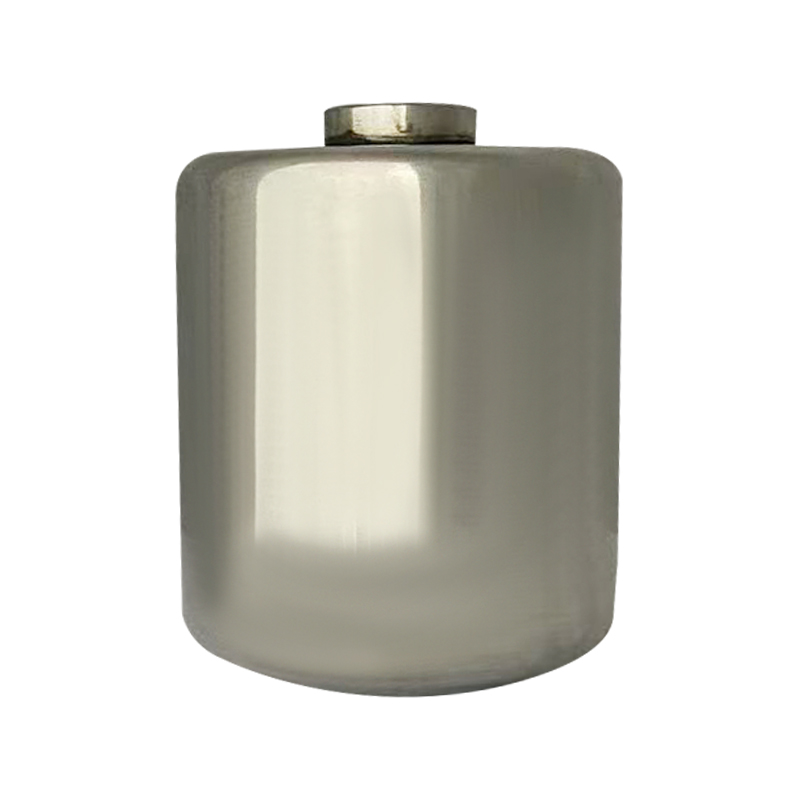
A Float Ball Factory manufactures precision-engineered float balls that serve as critical components in liquid level control systems. These devices are used to detect and regulate fluid levels in tanks, pipelines, and various industrial systems. Selecting the appropriate material for a float ball is essential because the liquid medium directly affects durability, chemical resistance, and long-term performance. Water, oils, acids, and alkaline solutions all pose different challenges, making careful material selection vital for reliable operation.
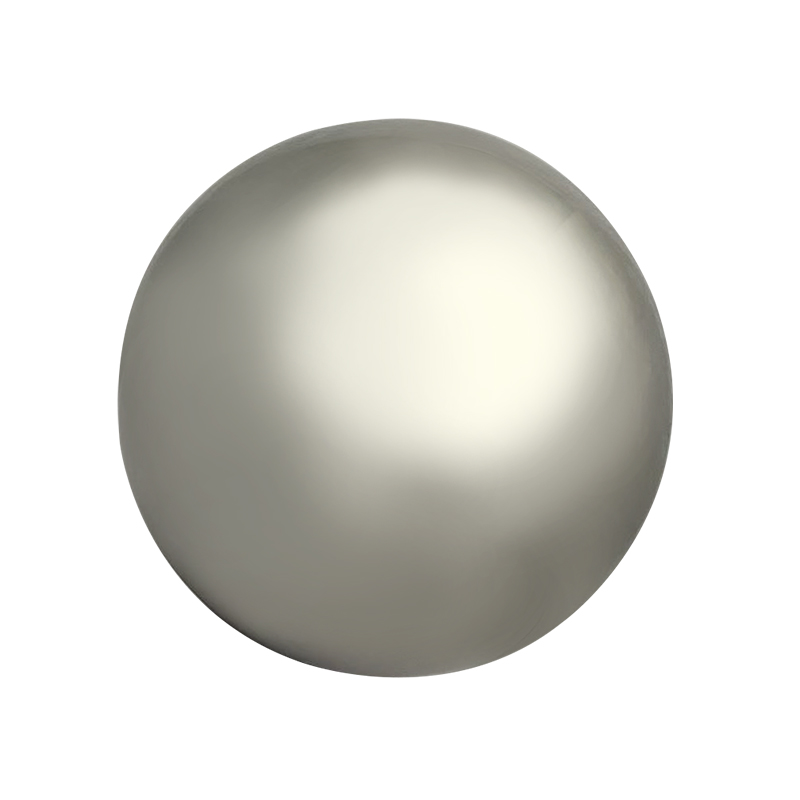
Choosing Float Ball Material for Water Applications
Water is one of the most common liquids encountered in industrial and domestic systems. Stainless steel float balls are frequently used in water applications because they resist corrosion, maintain buoyancy, and provide consistent performance over time. Materials such as 304 stainless steel offer good corrosion resistance and are suitable for general water use, while 316 stainless steel provides enhanced resistance in slightly aggressive or salty water environments. Plastic float balls, such as those made from polypropylene or polyethylene, may also be used for low-cost or non-critical water systems. The primary consideration is ensuring that the material does not degrade, oxidize, or lose buoyancy when exposed to water over extended periods.
Selecting Float Balls for Oil and Hydrocarbon Liquids
Oils, including mineral oils, lubricants, and fuels, present different requirements compared to water. The float ball material must resist swelling, cracking, or chemical attack from hydrocarbons. Stainless steel remains a popular choice due to its inert properties and mechanical strength, while certain engineered plastics, such as PTFE (Teflon), are also suitable for oils because they provide chemical resistance and low surface energy. When choosing a float ball for oil, it is critical to consider density and buoyancy, as oils are less dense than water. The material must be light enough to float while remaining chemically stable.
Float Ball Material Selection for Acidic Liquids
Acid solutions, such as sulfuric acid, hydrochloric acid, or other industrial chemicals, are highly corrosive and demand specialized materials. Stainless steel grades such as 316 or even higher alloyed versions may be necessary for mild acids, but in highly concentrated or hot acid environments, metals may fail. Fluoropolymers like PTFE or PVDF are often preferred because they offer good chemical resistance and long-term durability. A Float Ball Factory typically provides corrosion-resistant coatings or fully non-metallic float balls to withstand acidic liquids. It is crucial to match the material’s chemical compatibility with both the type of acid and its concentration.
Selecting Materials for Alkaline Solutions
Alkaline or caustic liquids, such as sodium hydroxide solutions, also require careful material selection. Metals like stainless steel can corrode under high-pH conditions, depending on the alloy. High-grade stainless steel or coated metals may be sufficient for dilute solutions, but for concentrated alkaline liquids, chemical-resistant plastics such as PTFE, polypropylene, or PVDF are often used. These materials maintain buoyancy and structural integrity without reacting with the alkali. The choice depends on concentration, temperature, and intended service life.
Matching Float Ball Material to Liquid Medium
Choosing the right float ball material requires careful consideration of the liquid medium’s chemical properties, temperature, density, and operating conditions. A Float Ball Factory can guide on selecting suitable materials for water, oils, acids, and alkaline solutions. Stainless steel, PTFE, PVDF, and other engineered plastics each offer distinct advantages in specific applications. Proper material selection ensures reliable performance, reduces maintenance, and extends the service life of the float ball in demanding industrial environments. By understanding the chemical compatibility and mechanical requirements, engineers and operators can achieve suitable liquid level control while avoiding premature failure or operational issues.
Our Main Products



Contact Us
* We assure you that we will never divulge your privacy.

Quick Links
Product
Head Office
Room 201, Building 5, Yongjia Yulong Shoes Clothing Technology Innovation Micro Park, Oubei Street, Yongjia County, Wenzhou City, Zhejiang Province
Phone: +86-577-67329891
Tel: + 86-13868641338 / 13858813335
Fax: + 86-577-67329892
E-mail: [email protected]
Copyright © Yongjia County Yaokang Technology Co., Ltd.
Stainless Steel Float Ball Manufacturer
