
 EN
EN  English
 中文简体
中文简体
Yaokang Technology
Yaokang Technology
Yaokang Technology
Yaokang Technology
Industry News
How Does a Water Level Float Ball Fail in Industrial Tanks
Float balls have been used for water level control for many years. The principle behind them is simple. A hollow ball floats on the surface of the water. As the water level rises, the ball rises with it. As the water level drops, the ball descends. That movement gets used to control pumps, valves, or alarms.
The mechanical arrangement varies by application. In some systems, the float ball connects directly to a valve. The rising ball closes the valve as the tank fills. The falling ball opens the valve as the tank empties. In other systems, the float ball operates a switch. The switch turns pumps on or off based on the water level.
The beauty of float ball systems lies in their simplicity. There are no electronics to fail. No sensors to calibrate. The float ball responds to the water level directly. A Water Level Float Ball from a reliable source provides years of service with minimal attention.
The size of the float ball matters for proper operation. A ball that is too small may not provide enough buoyancy to operate the valve or switch. A ball that is too large may not fit within the tank. The selection of the correct float ball size depends on the specific application.
How Does a Float Ball Maintain Balance in Industrial Water Storage Tanks
The balance in a float ball system comes from the forces acting on the ball. Buoyancy pushes the ball upward. Gravity and the weight of the connected mechanism pull the ball downward. The ball settles at a position where these forces balance.
As the water level rises, the buoyant force increases. The float ball moves upward. That movement transfers through the linkage to the valve or switch. The system responds to the change in water level. As the water level falls, the buoyant force decreases. The float ball moves downward.
The balance point determines the water level where the system responds. The linkage adjusts the relationship between float ball position and valve position. The system can be set to maintain any desired water level within the range of the float ball travel.
A Float Ball Manufacturer designs the ball to provide the right buoyancy for the application. The ball needs to be large enough to overcome the forces from the valve or switch. It needs to be small enough to fit in the available space. The balance between these factors affects the performance of the system.
What Materials Are Used in Float Ball Construction
The material used for a float ball affects how long it lasts and how well it works. Different applications call for different materials. The fluid being controlled and the operating conditions both influence the choice.
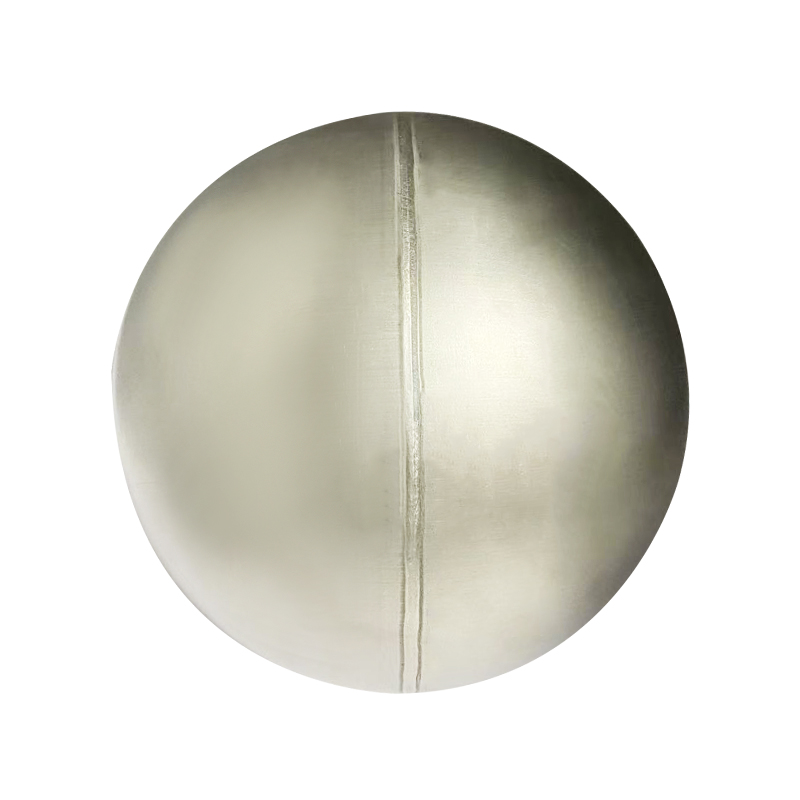
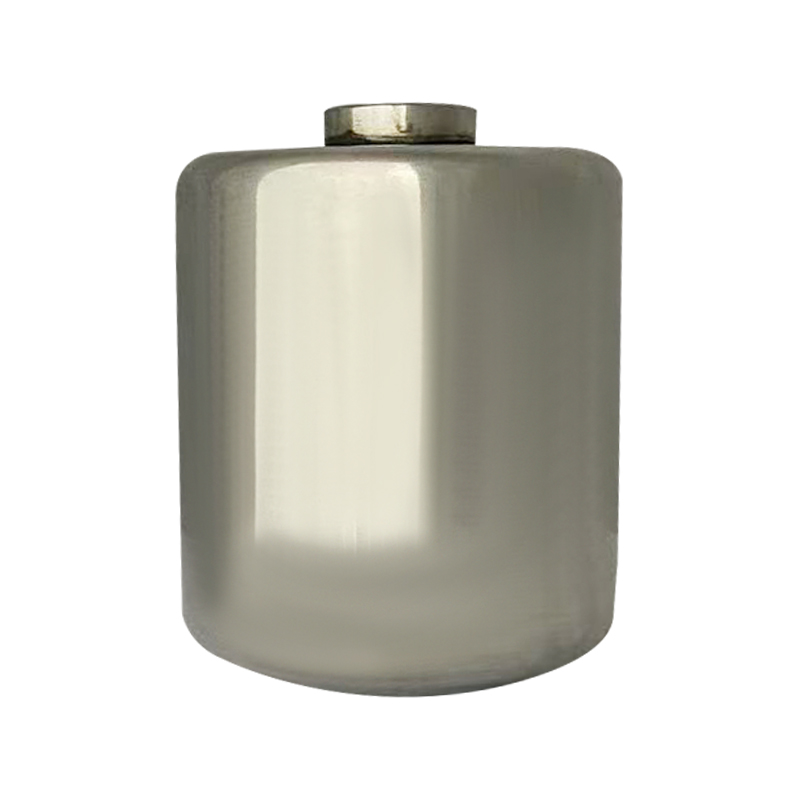
Stainless steel float balls appear in many industrial applications. The steel provides strength and corrosion resistance. Stainless balls handle high temperatures and pressures. They work well in water, oil, and many chemicals. The weight of stainless balls may be higher than other materials, though the buoyancy remains adequate.
Plastic float balls offer an alternative. Polypropylene, polyethylene, and other plastics provide good corrosion resistance. Plastic balls weigh less than metal balls. They work well in water and mild chemical applications. The temperature range for plastic balls is more limited than stainless.
| Material | Corrosion Resistance | Temperature Range | Weight | Typical Applications |
|---|---|---|---|---|
| Stainless steel | Good | Wide | Heavy | Industrial fluids, high temperature |
| Polypropylene | Good | Moderate | Light | Water, mild chemicals |
| Polyethylene | Good | Moderate | Light | Water, food processing |
| Brass | Moderate | Moderate | Heavy | Water, some oils |
| Copper | Moderate | Moderate | Heavy | Water, steam |
How Does Fluid Composition Affect Float Ball Performance
The fluid in the tank affects the float ball directly. The ball sits in the fluid for its entire service life. The fluid composition determines what materials the ball can be made from.
Corrosive fluids attack metal surfaces. Acidic water or chemical solutions can damage stainless steel over time. The corrosion may be uniform or localized. Pitting corrosion creates small holes that weaken the ball. A Water Level Float Ball in corrosive service needs a material that resists the specific fluid.
Fluid density affects buoyancy. A float ball that works in water may not work in a lighter fluid. The ball needs to displace enough fluid to generate the required buoyant force. Denser fluids provide more buoyancy for a given ball size. Less dense fluids require larger balls or lighter construction.
Temperature affects both the fluid and the float ball. Hot fluids may soften plastic balls. Cold fluids may make materials brittle. The temperature also affects fluid density, which changes the buoyant force. The float ball selection should consider the full range of operating temperatures.
What Mechanical Factors Contribute to Float Ball Failure
Float ball failure often happens gradually. The ball may not fail suddenly. Instead, the performance degrades over time. The system may respond more slowly or less reliably.
Wear on the float ball surface creates problems. Abrasive particles in the fluid wear away the ball surface. The ball becomes thinner and may lose buoyancy. The wear also creates rough surfaces that trap debris and accelerate further wear.
Pivot points and linkages experience wear as well. The mechanical connection between the float ball and the valve or switch moves with each cycle. Over many cycles, the pivot points wear. The wear creates play in the linkage. The float ball position no longer corresponds accurately to the water level.
Water ingress into the float ball causes failure. A hollow ball that develops a leak takes on water. The ball loses buoyancy and sinks. The system loses its ability to control the water level. The leak may come from corrosion, impact damage, or poor sealing.
How Do Installation Practices Affect Float Ball Longevity
Installation determines how long a float ball will last. A properly installed float ball performs as expected for years. A poorly installed one may fail within months. The difference comes down to attention during installation.
Proper sizing matters from the start. A float ball needs to be large enough for the application. The ball must displace enough fluid to operate the valve or switch. A ball that is too small will not generate enough force. A ball that is too large may not fit in the available space.
Mounting position affects operation as well. The float ball needs to move freely through its full travel range. The linkage must not bind or rub against other parts. The pivot points should move smoothly. A Float Ball Manufacturer provides guidance on mounting and travel clearance.
The alignment of the float ball and linkage affects wear. Misalignment creates side loads on the pivot points. The linkage wears unevenly. The movement becomes rough or sticky. Proper alignment during installation prevents this wear.
Debris in the tank can affect installation. The float ball needs room to move without hitting obstacles. The tank should be clean before the float ball gets installed. Any debris that interferes with the float ball movement will cause problems.
What Environmental Conditions Challenge Float Ball Operation
Float balls face various environmental conditions. Some conditions make operation difficult. Others shorten the service life. Understanding these conditions helps in selecting the right float ball for the application.
Temperature extremes affect both the ball and the fluid. High temperatures may soften plastic balls. The ball could deform or lose strength. Low temperatures may make materials brittle. A cold ball can crack under impact or stress.
Pressure affects float ball operation as well. The ball needs to maintain its shape under pressure. High pressure can collapse a hollow ball. The ball needs enough wall thickness to resist the pressure. A Water Level Float Ball for pressure applications needs appropriate construction.
Debris in the fluid interferes with float ball movement. Sediment, scale, or biological growth can stick to the ball surface. The build-up adds weight and changes the ball's buoyancy. The movement becomes slower and less consistent. Regular cleaning removes the debris and restores proper operation.
Water hammer can damage float balls. Sudden pressure surges from pump starts or valve closures create shock waves. The float ball gets knocked around. The impact can damage the ball or the linkage. Proper system design minimizes water hammer.
How Can Float Ball Failure Be Identified Early
Early identification of float ball problems prevents system failure. The signs of trouble show up in different ways. Operators who watch for these signs can catch problems early.
Changes in water level indicate a problem. The water level may be higher or lower than normal. The float ball may not be responding correctly. The valve or switch may not actuate at the right level. Monitoring the water level helps identify problems.
Unusual noises from the float ball or linkage suggest wear. Squeaking, grinding, or scraping sounds occur when parts rub together. The noises come from lack of lubrication or worn surfaces. The sound changes as the wear progresses.
The system response time may change. The valve may open or close more slowly. The pump may cycle more frequently. The water level may not stabilize as quickly. These changes indicate that the float ball performance has degraded.
| Sign of Trouble | What It Means | What To Check |
|---|---|---|
| Water level off | Float not responding | Float movement, linkage |
| Noises | Wear or binding | Pivot points, lubrication |
| Slow response | Friction or debris | Float surface, linkage |
| Frequent cycling | Erratic float behavior | Buoyancy, water ingress |
What Maintenance Practices Extend Float Ball Service Life
Regular maintenance keeps float balls working properly. The maintenance does not need to be complex. Simple practices extend the service life significantly.
Inspection catches problems early. A visual check of the float ball and linkage should happen regularly. The inspector looks for signs of wear, corrosion, or damage. The linkage gets checked for looseness or binding. The float ball surface gets examined for pitting or cracking.
Cleaning removes debris and deposits. The float ball may develop scale or biological growth over time. The build-up affects buoyancy and movement. Cleaning with appropriate methods removes the deposits. The cleaning method depends on the material and the type of deposit.
Lubrication of moving parts reduces wear. The pivot points and linkages need lubrication. The right lubricant reduces friction and prevents wear. The lubricant should be compatible with the fluid in the tank.
Replacement of worn components keeps the system running. Float balls do not last forever. The linkage and pivot points wear over time. Replacing worn parts prevents failure. A Float Ball Manufacturer provides replacement parts for their products.
What Factors Guide the Selection of Float Balls for Industrial Use
Selecting the right float ball involves considering several factors. The application conditions determine the requirements. The selection should match the float ball to those requirements.
The fluid type guides the material selection. The float ball needs to resist the fluid. Corrosive fluids require corrosion-resistant materials. Food processing applications need materials that meet food contact standards. The fluid composition determines the possible materials.
The operating temperature and pressure affect the selection. High temperatures require materials that resist softening or degradation. High pressure requires a ball with sufficient wall thickness. The float ball design should handle the operating conditions.
The size and buoyancy characteristics matter for operation. The float ball needs to displace enough fluid to operate the valve or switch. The ball should be sized for the specific mechanism. A Water Level Float Ball that is too small will not work. One that is too large may not fit.
The expected service life should be considered. A longer service life may justify higher initial cost. The cost of downtime and replacement should be factored in. The selection should balance cost with expected life.
Our Main Products



Contact Us
* We assure you that we will never divulge your privacy.

Quick Links
Product
Head Office
Room 201, Building 5, Yongjia Yulong Shoes Clothing Technology Innovation Micro Park, Oubei Street, Yongjia County, Wenzhou City, Zhejiang Province
Phone: +86-577-67329891
Tel: + 86-13868641338 / 13858813335
Fax: + 86-577-67329892
E-mail: [email protected]
Copyright © Yongjia County Yaokang Technology Co., Ltd.
Stainless Steel Float Ball Manufacturer
