
 EN
EN  English
 中文简体
中文简体
Yaokang Technology
Yaokang Technology
Yaokang Technology
Yaokang Technology
Industry News
How To Choose The Right Float Ball For Water Level Control System
Water level control looks simple, yet the movement inside a tank depends on very small mechanical decisions. A Water Level Float Ball often becomes the part that quietly decides whether the system feels stable or slightly uneven during operation.
Water Level Float Ball works through buoyancy, so even small differences in weight, shape, or surface condition can change how it reacts when water rises or falls. Once the response is not well balanced, the whole control process starts to feel less steady.
In real tanks, the float never sits in a calm environment for long. Water moves in from pipes, pressure shifts during filling, and surface waves appear without warning. The float reacts to all of it. If the design matches the system well, movement stays controlled. If not, the float may bounce or delay slightly before triggering the valve.
Typical results when selection is reasonable:
- water level stays closer to a steady position
- valve opens and closes without sudden jumps
- fewer repeated corrections in long running cycles
- smoother reaction during filling and draining
When mismatch happens, small movement differences tend to repeat through the whole system instead of staying isolated.
How Float Ball Structure Changes Movement Response
The structure of a float ball looks basic, yet internal balance changes how it behaves inside water. Some designs are hollow and light, others are reinforced or slightly heavier, and each one reacts differently once placed in a tank.
A lighter float usually responds faster. It moves easily with water surface changes, which can help in systems where quick reaction is needed. A heavier float tends to move more slowly, but it often stays steadier when water surface becomes unstable.
Inside a working tank, motion is never fully calm. Inlet flow, outlet suction, and surface vibration all affect float behavior. If structure is not balanced, the float may shake slightly or react in a way that feels too sensitive.
Common movement patterns in practice:
- light structure reacts quickly but may follow water waves
- heavier structure resists small disturbances
- balanced structure stays closer to steady position
Over time, stability usually matters more than reaction speed alone.
How Material Choice Affects Long Term Float Performance
Material selection is not only about strength. It slowly shapes how a Water Level Float Ball behaves after long contact with water. Tanks are rarely filled with identical water conditions, so materials face changing environments over time.
Some materials keep shape and balance even after long immersion. Others may slowly change behavior due to mineral buildup or surface wear. These changes are not immediate, but they influence movement after repeated cycles.
Key material influences include:
- resistance to long-term water exposure
- stability under temperature changes
- reaction to minerals or small particles in water
- surface condition after continuous use
In many real systems, water is not completely clean. Small particles float or settle, and some attach to surfaces. Over time, this may slightly change how the float moves or responds.
Material stability becomes more noticeable in long operation cycles, where small differences repeat many times.
Why Size And Density Influence Control Accuracy
Size and density decide how the float behaves inside water. A larger float pushes more water aside, which usually creates steadier movement. A smaller float reacts more quickly, though it may also respond to small waves inside the tank.
Density affects how deeply the float sits in water. Higher density usually means slower response and stronger stability. Lower density gives faster reaction but sometimes allows more movement variation.
In practical use, differences appear like this:
- larger float reduces surface disturbance influence
- smaller float reacts faster to level change
- higher density improves steady positioning
- lower density increases sensitivity to water movement
The right balance depends on tank size and how stable the water surface remains during operation.
| Condition | Movement Character | System Effect |
|---|---|---|
| Small, light float | Quick response, sensitive movement | Fast reaction, small fluctuation |
| Medium balance float | Controlled motion | Stable control behavior |
| Large, dense float | Slow but steady movement | Strong stability, slower reaction |
How Installation Position Changes Float Ball Behavior
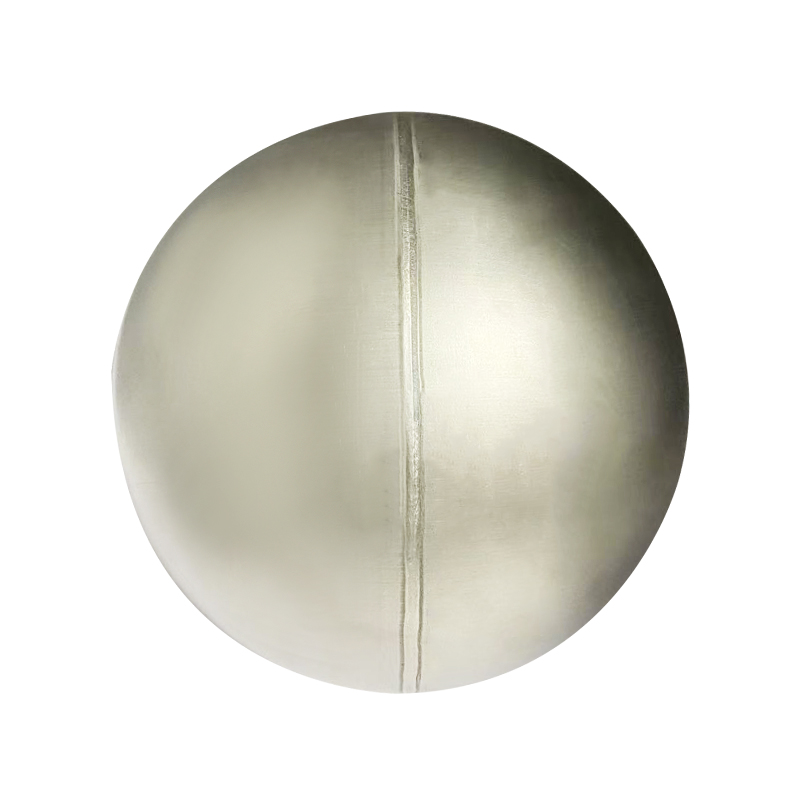
Even a well-chosen float ball may behave differently depending on where it sits inside the tank. Position controls how freely it can rise and fall, and how easily it avoids contact with surrounding structures.
A straight vertical movement path usually allows smoother behavior. The float moves directly with water level changes without extra resistance. When space becomes narrow or angled, movement may feel slightly delayed or uneven.
Important factors during installation:
- vertical space available for float movement
- angle of connection arm or linkage
- distance from tank wall or obstacles
- freedom of movement around float area
If the float touches nearby surfaces during movement, even lightly, the system response may lose part of its smooth timing.
What Role System Pressure Plays In Float Behavior
Water systems do not always operate under simple open conditions. Some tanks experience pressure changes during filling or draining, which affects how water moves around the float.
Stable pressure conditions usually support predictable movement. When pressure shifts frequently, float response may feel less consistent, especially during rapid water level changes.
Pressure influence often appears as:
- steady pressure gives predictable float motion
- changing pressure creates uneven response timing
- closed systems need stronger structural stability
- open systems rely more on natural buoyancy
Matching float design with pressure environment helps reduce irregular system behavior during long use.
How Water Quality Slowly Changes Float Behavior
Water quality affects float performance in a gradual way. It does not stop the system immediately, yet small changes build up over time. Sediment, minerals, and temperature variation all influence how the float moves.
Tiny particles may stick to the surface of the float. Mineral deposits may slowly change weight balance. Temperature shifts may affect water density, which also changes buoyancy behavior.
Long-term influences often include:
- small deposits forming on float surface
- gradual change in surface smoothness
- minor shift in weight balance
- slower or uneven movement response
These changes appear slowly, usually after repeated cycles in real working environments.
How Float Ball Manufacturer Design Affects System Stability
Design consistency from a Float Ball Manufacturer affects how predictable float behavior remains across different systems.
Float Ball Manufacturer focuses on maintaining stable structure, repeatable buoyancy response, and consistent movement behavior across production batches.
When design remains uniform, system response becomes easier to predict during installation and long-term use. When variation exists, even small differences may appear between systems using similar setups.
Design influence often shows in:
- consistent buoyancy response across batches
- stable movement in repeated cycles
- reduced variation in valve triggering timing
- smoother long-term system behavior
Manufacturing consistency quietly supports overall reliability in water level control systems.
How Maintenance Slowly Changes Float Ball Behavior In Real Use
Water level systems rarely fail suddenly. Many changes appear in a gradual way, especially around moving parts that stay in constant contact with water. A Water Level Float Ball sits in that group, always shifting with the water surface, always reacting to small changes in level.
Water Level Float Ball keeps working through simple buoyancy, yet surface condition and movement freedom slowly shape how it behaves over time. Maintenance is often not about repair, more about keeping movement from becoming restricted.
Inside many tanks, small particles move with water. Some settle, some float for a while, and a portion attaches to surfaces. Once buildup starts near the float or its linkage, movement may feel slightly heavier. Not a sudden issue, more like a slow change in rhythm.
Common maintenance habits seen in practice:
- wiping float surface to remove thin layer deposits
- checking linkage movement for smooth swing
- clearing small particles around contact points
- keeping movement space inside tank free
When these steps are done occasionally, float movement usually stays closer to its original feel. Without them, response tends to drift slowly away from its normal timing.
How Application Environment Changes Float Ball Behavior
Different water systems place different demands on the same float design. A float that behaves calmly in one tank may feel more active in another. Environment shapes movement more than appearance does.
In industrial storage tanks, water movement is stronger. Filling and draining create steady flow changes. In that setting, float stability becomes more important than quick reaction. Movement that is too sensitive may follow water disturbance instead of actual level change.
Agricultural systems feel different again. Water conditions change with usage, sometimes steady, sometimes irregular. Outdoor temperature shifts also play a role. Here, balance between sensitivity and stability becomes noticeable.
Domestic systems are usually smaller. Space is limited, movement distance is short, and response feels quicker. Even small float changes become more visible in tight tanks.
General behavior differences:
- industrial use focuses on steady movement under flow
- agricultural use deals with changing water conditions
- domestic use requires compact and quick response
- utility tanks sit between stability and sensitivity
The same Water Level Float Ball can behave differently depending on where it is placed.
How Tank Shape Influences Float Movement
Tank structure often gets ignored, yet it quietly changes how float motion develops. Even when the float design stays the same, surrounding space affects how freely it moves.
Wide tanks give the float more room. Movement stays open, and side contact rarely happens. Narrow tanks restrict movement path, and the float may occasionally approach tank walls during rising or falling motion.
Internal shapes matter too. Pipes, partitions, or uneven surfaces inside the tank can slightly disturb movement flow. Water does not move in a straight line inside such environments, so float motion adapts to that variation.
Typical structural influence patterns:
- wide space supports smoother float travel
- narrow space increases chance of contact
- internal fittings may slow movement rhythm
- uneven flow creates small timing differences
How Long Term Stability Forms In Float Ball Systems
When conditions stay steady, the float begins to respond in a similar way each time water rises or drops. Not perfect repetition, more like familiar behavior forming through use.
Long term stability usually comes from small consistencies:
- stable water condition over time
- unchanged installation position
- regular light cleaning habits
- balanced float size and weight
When these elements stay consistent, system response becomes easier to predict during daily operation. Not because it becomes rigid, but because it stops shifting unpredictably.
How Selection Balance Improves System Behavior
Choosing a float ball is rarely about a single feature. It is more like matching small behaviors together so the system feels steady during use.
A float that reacts too quickly may follow water surface movement too closely. A float that reacts slowly may delay control action. Between these two, balanced behavior usually feels more stable in real operation.
Selection usually revolves around:
- matching float size with tank space
- adjusting density to water movement type
- choosing material based on water condition
- keeping movement path suitable for installation space
When these parts align, system response feels more natural during repeated cycles. Not forced, not delayed, just steady enough for continuous use.
How Float Ball Manufacturer Consistency Affects System Reliability
Behind every float design, manufacturing consistency quietly shapes real performance. Small variations in production can change buoyancy or movement behavior, even if the design looks identical.
A Float Ball Manufacturer that maintains stable production conditions helps reduce these small differences across units.
Float Ball Manufacturer focuses on keeping structure, weight balance, and movement response within a consistent range across batches. That consistency becomes noticeable only when systems run for long periods.
In real use, consistency supports:
- predictable float response across installations
- stable switching timing in control systems
- reduced variation between similar setups
- smoother long term operation behavior
When manufacturing variation stays low, system design becomes easier to maintain across different environments.
A Water Level Float Ball looks simple, yet its movement connects directly to system stability. Every rise and fall in water level passes through it before becoming mechanical action.
Over time, behavior depends less on theory and more on environment, space, and repeated use. When selection, installation, and maintenance stay aligned with real conditions, movement tends to stay steady across long cycles.
Water systems remain simple in structure, yet inside that simplicity, small motion decides overall stability.
Our Main Products



Contact Us
* We assure you that we will never divulge your privacy.

Quick Links
Product
Head Office
Room 201, Building 5, Yongjia Yulong Shoes Clothing Technology Innovation Micro Park, Oubei Street, Yongjia County, Wenzhou City, Zhejiang Province
Phone: +86-577-67329891
Tel: + 86-13868641338 / 13858813335
Fax: + 86-577-67329892
E-mail: [email protected]
Copyright © Yongjia County Yaokang Technology Co., Ltd.
Stainless Steel Float Ball Manufacturer
