
 EN
EN  English
 中文简体
中文简体
Yaokang Technology
Yaokang Technology
Yaokang Technology
Yaokang Technology
Industry News
Structural Design Features Ensuring Stable Buoyancy in a Float Ball
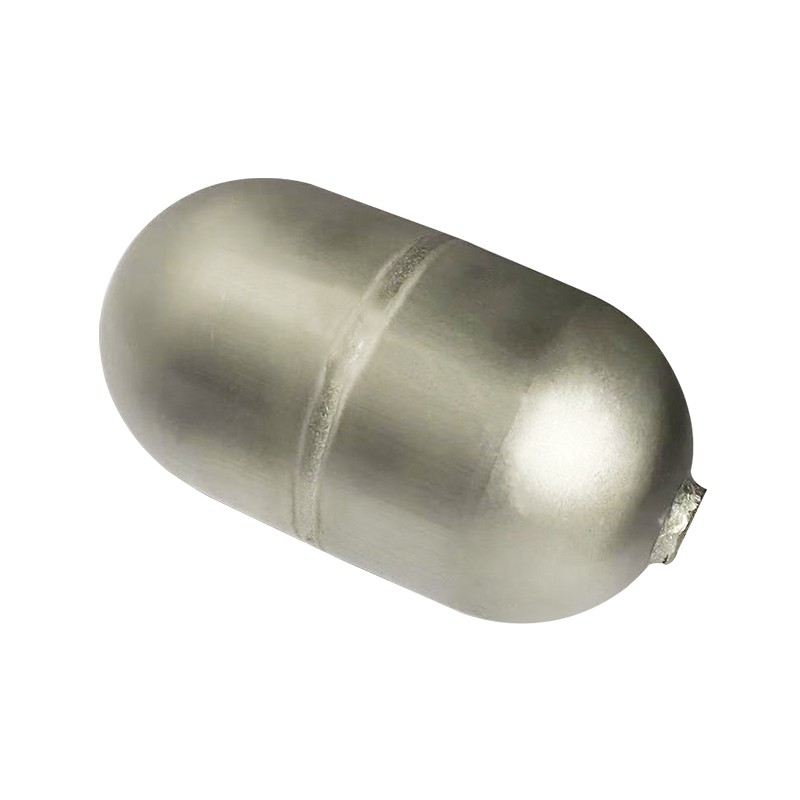
The reliable operation of a Float Ball in liquid-level control systems depends heavily on its ability to maintain stable buoyancy. Floating devices are designed to rise and fall with the liquid level, transmitting motion to valves, switches, or sensors to regulate flow or trigger alarms. Without structural considerations that ensure consistent buoyancy, fluctuations in liquid density, temperature, or turbulence could cause erratic movement, causing inaccurate measurements or system failures. Modern Float Ball designs incorporate specific features aimed at preserving balance, floatation consistency, and long-term operational reliability.

Material Selection and Density Control
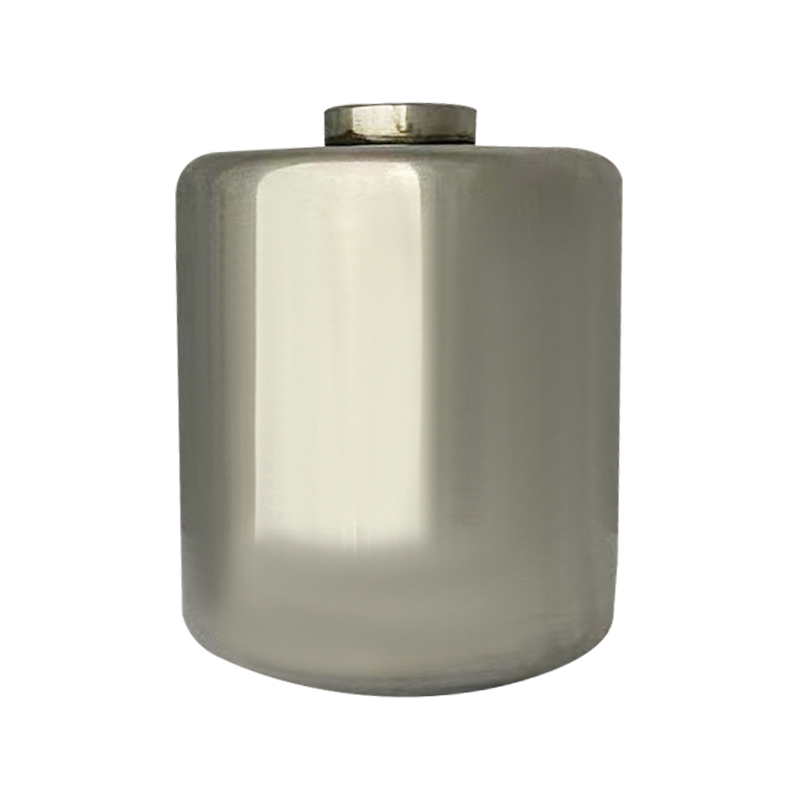
One fundamental approach to stabilizing buoyancy is through careful selection of materials and internal density control. Float Balls are often constructed from lightweight yet durable materials such as hollow stainless steel, high-density polyethylene, or polypropylene composites. The internal cavity may be completely sealed or filled with foam or inert gas to reduce water ingress and maintain consistent displacement. Precise control of the material’s density relative to the working fluid ensures that the ball remains neutrally buoyant under varying conditions, preventing sudden sinking or excessive rise that could disrupt control mechanisms.
Internal Chamber and Compartment Design
Advanced Float Ball models often feature internal chambers or multi-compartment structures to enhance stability. Dividing the internal cavity into separate sealed sections decreases the risk of total buoyancy loss if one compartment is compromised. Some designs include weighted lower sections to lower the center of gravity, which helps resist tilting and erratic oscillation in turbulent or fast-moving liquids. By carefully balancing weight distribution within the ball, manufacturers can ensure that the Float Ball moves vertically with lateral drift, providing reliable mechanical feedback to attached devices.
Surface Geometry and Hydrodynamic Considerations
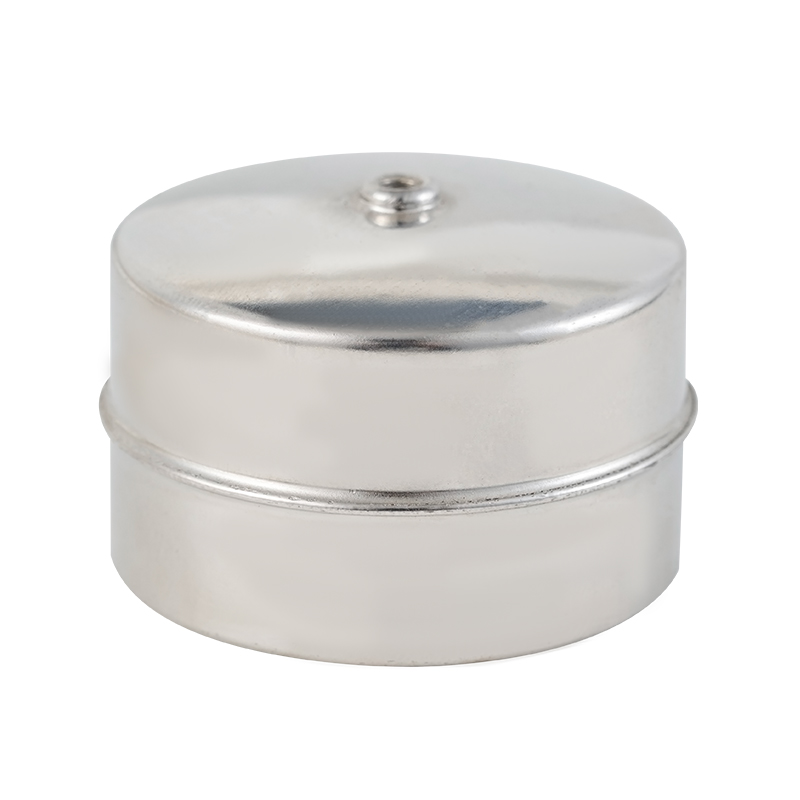
The external geometry of the Float Ball also contributes to stable buoyancy. Spherical designs are common due to their uniform displacement properties, but some applications employ slightly elongated or flattened shapes to reduce the influence of fluid currents and surface agitation. Smooth, polished surfaces decrease friction and drag while allowing the ball to respond quickly to liquid level changes. Certain specialized shapes incorporate channels or fins that reduce wobbling and improve directional stability in high-flow environments, preventing erratic motion that could compromise control accuracy.
Impact of Environmental and Operational Factors
While structural design is fundamental, environmental and operational factors can still influence performance. Temperature variations may affect material expansion or contraction, and density changes in the working fluid can alter buoyancy. The inclusion of compensatory features, such as internal foam that resists compression or flexible joints that absorb expansion, allows the Float Ball to adapt to these conditions while maintaining stability. Designers consider these factors during prototyping and testing to ensure consistent performance across a wide range of operational scenarios.
Float Ball stability is achieved through a combination of material selection, internal compartmentalization, hydrodynamic shaping, and effective sealing. These design features work together to maintain consistent buoyancy and reliable movement, even under challenging fluid conditions or prolonged use. By focusing on structural integrity and fluid interaction, modern Float Balls provide accurate, durable, and stable performance for liquid-level control systems, ensuring that mechanical feedback and automated processes remain precise and dependable.
Our Main Products



Contact Us
* We assure you that we will never divulge your privacy.

Quick Links
Product
Head Office
Room 201, Building 5, Yongjia Yulong Shoes Clothing Technology Innovation Micro Park, Oubei Street, Yongjia County, Wenzhou City, Zhejiang Province
Phone: +86-577-67329891
Tel: + 86-13868641338 / 13858813335
Fax: + 86-577-67329892
E-mail: [email protected]
Copyright © Yongjia County Yaokang Technology Co., Ltd.
Stainless Steel Float Ball Manufacturer
