
 EN
EN  English
 中文简体
中文简体
Yaokang Technology
Yaokang Technology
Yaokang Technology
Yaokang Technology
Industry News
Leak-Proof Design Strategies Ensuring Long-Term Reliability of Float Ball
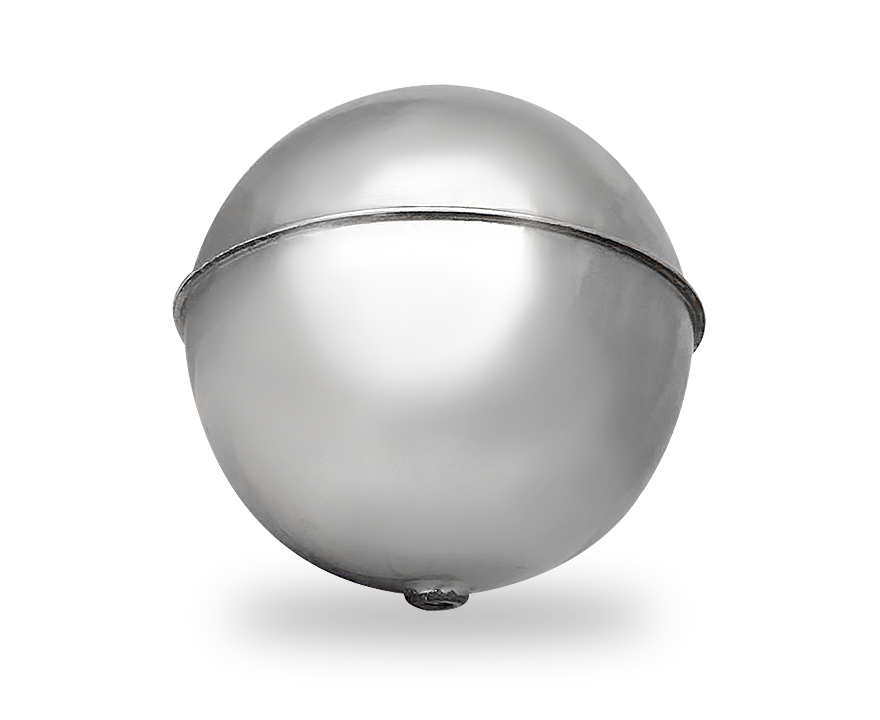
The long-term functionality of a Float Ball in liquid-level control systems critically depends on its ability to remain watertight. Over time, any fluid ingress into the internal cavity can compromise buoyancy, reduce operational accuracy, and cause system failure. Maintaining a leak-proof design is therefore essential for both industrial and residential applications. A well-engineered Float Ball ensures that it continues to float correctly, providing reliable mechanical or electronic feedback without degradation in performance, even after prolonged exposure to varying fluid types and operating conditions.
Material Selection for Impermeability
One of the primary approaches to preventing leakage involves the careful selection of materials. High-density, corrosion-resistant plastics such as polyethylene or polypropylene are frequently used for their inherent impermeability, chemical stability, and lightweight properties. For metal Float Balls, stainless steel or brass alloys are common, often combined with surface treatments like electropolishing or passivation to seal microscopic pores and prevent corrosion-induced leaks. The choice of materials also accounts for compatibility with the specific liquids being measured, whether water, oils, or corrosive chemicals, ensuring that the integrity of the ball is maintained over years of operation.
Sealing Techniques and Joint Integrity
Critical to a leak-proof Float Ball is the design of its seams, joints, and assembly points. Advanced manufacturing techniques employ ultrasonic welding, over-molding, or high-precision mechanical joining to create airtight seals. Multi-layered sealing approaches are sometimes used to provide redundancy, ensuring that if the outer layer fails, secondary barriers maintain impermeability. High-quality gaskets or elastomeric O-rings are also incorporated at any connection interfaces, such as threaded fittings or sensor attachments, to prevent seepage without compromising movement or buoyancy. Proper joint design is crucial for reducing weak points where fluid ingress could occur under long-term operational stress.
Surface Treatments and Protective Coatings
To further enhance leak resistance, protective coatings can be applied to both plastic and metal Float Balls. Epoxy, polyurethane, or ceramic-based coatings create an additional barrier against fluid penetration and chemical attack. In particular, coatings improve durability in harsh environments, including exposure to saltwater, acidic solutions, or industrial chemicals. These surface treatments not only prevent direct fluid ingress but also protect the material from microscopic surface degradation that could eventually cause leaks, extending the operational lifespan of the Float Ball.
Internal Pressure and Structural Considerations
Internal structural design also contributes to leak prevention. Float Balls are often designed as hollow spheres or multi-chambered units to evenly distribute pressure from the surrounding liquid. Uniform wall thickness and internal supports prevent deformation under hydrostatic pressure, which could otherwise compromise seals or cause micro-cracks. In some designs, the cavity may be filled with inert foam or gas to provide additional resistance to compression and water ingress. By balancing buoyancy, structural strength, and internal pressure, the Float Ball maintains consistent floatation even under challenging conditions.
A leak-proof Float Ball relies on a combination of material selection, advanced sealing techniques, protective coatings, and thoughtful structural design. These strategies work together to prevent fluid ingress, maintain stable buoyancy, and ensure accurate long-term operation. By focusing on impermeability and durability, modern Float Balls provide reliable performance across a wide range of environments and applications, making them essential components in liquid-level control systems that demand precision and resilience.
Our Main Products



Contact Us
* We assure you that we will never divulge your privacy.

Quick Links
Product
Head Office
Room 201, Building 5, Yongjia Yulong Shoes Clothing Technology Innovation Micro Park, Oubei Street, Yongjia County, Wenzhou City, Zhejiang Province
Phone: +86-577-67329891
Tel: + 86-13868641338 / 13858813335
Fax: + 86-577-67329892
E-mail: [email protected]
Copyright © Yongjia County Yaokang Technology Co., Ltd.
Stainless Steel Float Ball Manufacturer
