
 EN
EN  English
 中文简体
中文简体
Yaokang Technology
Yaokang Technology
Yaokang Technology
Yaokang Technology
Industry News
Structural Stability of Stainless Steel Float Ball in Bad Temperatures
Temperature Effects on Float Balls
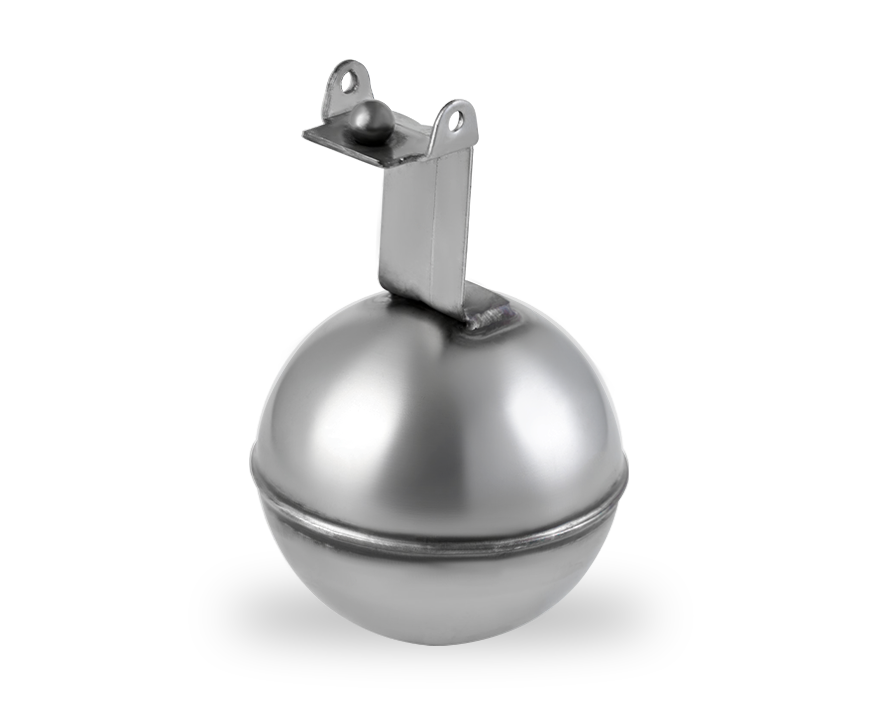
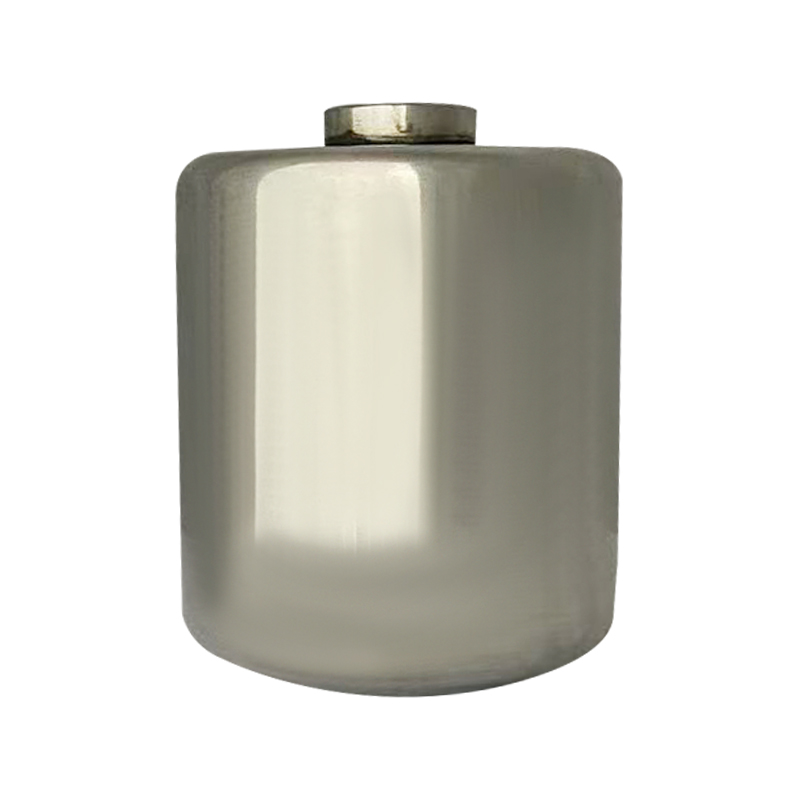
The performance of a Stainless Steel Float Ball in liquid-level control systems is critically dependent on its structural stability, especially under bad temperature conditions. High temperatures can cause thermal expansion, while low temperatures may induce contraction or brittleness, potentially affecting buoyancy, sealing integrity, and operational accuracy. Understanding how these factors impact the design and functionality of stainless steel float balls is essential for applications in industrial processes, chemical storage, and other environments where temperature fluctuations are significant.
Material Properties and Thermal Behavior
The choice of stainless steel alloy plays a pivotal role in maintaining structural stability under thermal stress. Commonly used grades such as 304 and 316 stainless steel offer good corrosion resistance, but their thermal expansion coefficients differ slightly, affecting dimensional stability. At high temperatures, the metal may expand, causing minor deformation if the wall thickness is insufficient or the internal cavity is unevenly reinforced. Conversely, at very low temperatures, the material can become less ductile, increasing susceptibility to cracking or brittleness under mechanical stress. The alloy’s microstructure and heat treatment also influence its ability to withstand repeated thermal cycling without compromising integrity.
Design Considerations for High-Temperature Environments
To ensure stability at elevated temperatures, the float ball’s wall thickness and cavity design are carefully engineered. Thicker walls provide mechanical strength to resist deformation, while multi-chamber or internal rib structures distribute thermal stress evenly. Polished surfaces reduce localized hot spots and decrease the risk of corrosion, which can be accelerated by high heat. In addition, joints and welded seams are reinforced or treated to prevent weakening under prolonged thermal exposure. Proper design ensures that the Stainless Steel Float Ball maintains its spherical shape and buoyancy characteristics, even in liquids heated to bad temperatures.
Low-Temperature Performance and Resistance to Brittleness
In subzero or cryogenic environments, stainless steel can experience reduced ductility, which may compromise the float ball’s ability to withstand impact or mechanical vibration. To address this, certain grades of stainless steel are chosen for their low-temperature toughness. The float ball may also incorporate rounded edges and uniform wall thickness to reduce stress concentration points. Seals and gaskets are selected from materials that remain flexible and resilient at low temperatures, ensuring that the internal cavity remains airtight and the float ball continues to provide reliable buoyancy.
Sealing Integrity and Buoyancy Maintenance
Temperature variations can also affect the sealing materials used in Stainless Steel Float Balls. Thermal expansion or contraction of the stainless steel body relative to the seals can create micro-gaps, potentially allowing fluid ingress. Designers often use flexible, temperature-resistant elastomers or over-molded seals to accommodate dimensional changes while maintaining leak-proof performance. Consistent buoyancy is essential for accurate liquid-level detection, and maintaining a stable internal cavity under temperature fluctuations ensures that the float ball’s performance remains reliable over time.
The structural stability of a Stainless Steel Float Ball in bad temperature environments depends on careful material selection, robust design, and appropriate sealing solutions. High-temperature resilience requires reinforced walls, heat-resistant alloys, and corrosion protection, while low-temperature performance depends on ductile stainless steel grades and flexible sealing systems. By addressing thermal expansion, contraction, and material behavior under stress, modern stainless steel float balls provide reliable buoyancy and consistent operation, ensuring accurate liquid-level control across a wide range of challenging conditions.
Our Main Products



Contact Us
* We assure you that we will never divulge your privacy.

Quick Links
Product
Head Office
Room 201, Building 5, Yongjia Yulong Shoes Clothing Technology Innovation Micro Park, Oubei Street, Yongjia County, Wenzhou City, Zhejiang Province
Phone: +86-577-67329891
Tel: + 86-13868641338 / 13858813335
Fax: + 86-577-67329892
E-mail: [email protected]
Copyright © Yongjia County Yaokang Technology Co., Ltd.
Stainless Steel Float Ball Manufacturer
