
 EN
EN  English
 中文简体
中文简体
Yaokang Technology
Yaokang Technology
Yaokang Technology
Yaokang Technology
Industry News
Impact of Ball Thickness and Weight on Stainless Steel Float Ball Response
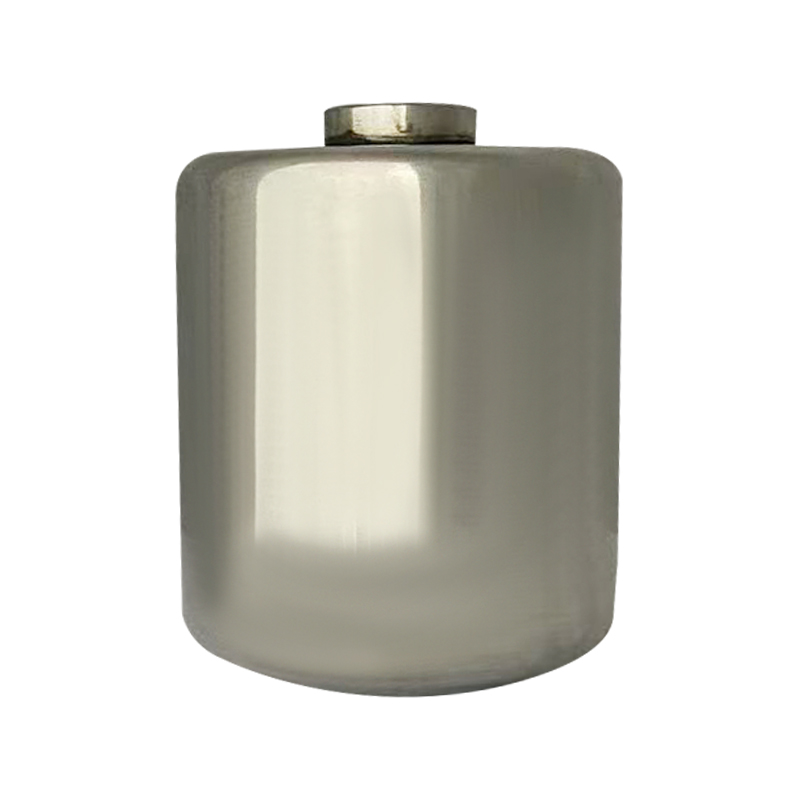
The operational performance of a Stainless Steel Float Ball in liquid-level control systems is closely influenced by its physical characteristics, particularly ball thickness and weight. These parameters directly affect the ball’s buoyancy, responsiveness, and overall ability to accurately track fluid level changes. In industrial, chemical, and water management applications, precise liquid-level monitoring is crucial for safety, efficiency, and automation. Understanding how variations in thickness and mass impact fluid response enables engineers to design float balls that balance stability, durability, and rapid responsiveness.
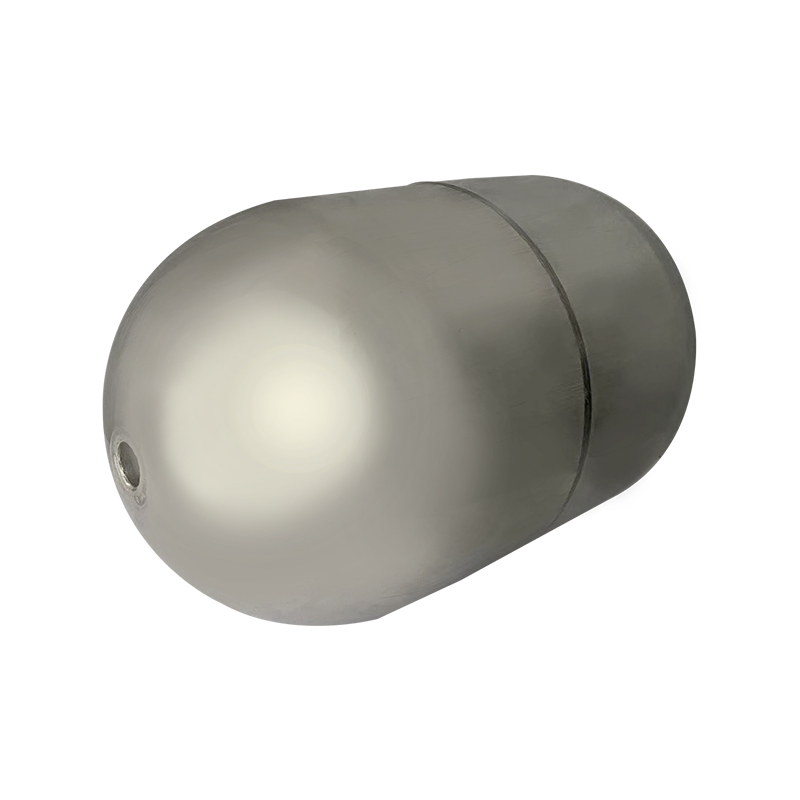
Role of Ball Thickness in Fluid Interaction
The wall thickness of a Stainless Steel Float Ball determines both structural integrity and displacement volume. Thicker walls increase the overall mass of the ball, which can enhance durability and resistance to mechanical deformation under hydrostatic pressure. However, increased thickness reduces the internal cavity volume, decreasing buoyant force and potentially slowing the ball’s movement in response to rising or falling liquid levels. Conversely, a thinner-walled ball offers higher displacement relative to weight, generating faster upward or downward motion. Therefore, the choice of thickness requires careful optimization to ensure the float ball remains robust without compromising responsiveness.
Effect of Weight on Buoyancy and Acceleration
Weight is another critical factor affecting response speed. A heavier Stainless Steel Float Ball requires a greater buoyant force to achieve motion, meaning that in low-density or viscous liquids, the ball may react sluggishly. Excessive weight can also induce delayed stabilization, causing oscillations that reduce measurement accuracy. Lighter balls, in contrast, accelerate quickly with changes in liquid level, providing rapid feedback to valves or sensors. However, if the ball is too light, it may be susceptible to turbulence or lateral drift, reducing precision. Achieving the right balance between weight and buoyancy ensures stable yet responsive operation.
Hydrodynamic Considerations and Liquid Density
The response of a float ball is not solely dependent on its physical properties; the characteristics of the liquid also play a role. Denser fluids provide greater buoyant force for the same ball volume, enhancing acceleration, while highly viscous liquids resist movement, slowing response. The interplay between ball thickness, weight, and fluid properties determines the dynamic response time. Engineers often model these interactions using hydrodynamic simulations to predict performance under various operating conditions, optimizing ball design for both speed and stability.
Influence on Control Systems and Sensor Feedback
Response speed directly impacts the effectiveness of the control system connected to the float ball. Rapidly moving float balls can provide more immediate input to mechanical floats, magnetic switches, or electronic sensors, improving system accuracy and reducing lag in liquid-level adjustments. Slow-responding balls may delay valve activation or signal transmission, potentially causing overfill, underfill, or unsafe operating conditions. Therefore, precise control over ball thickness and weight is critical for achieving reliable system performance.
The ball thickness and weight of a Stainless Steel Float Ball are key determinants of liquid response speed, influencing buoyancy, acceleration, and overall system performance. Thicker or heavier balls provide durability and stability but may slow movement, while thinner or lighter designs enhance responsiveness yet require careful design to prevent drift or oscillation. By carefully balancing these parameters with fluid properties and operational requirements, engineers can design float balls that offer both reliable structural integrity and rapid, accurate response for precise liquid-level control in diverse applications.
Our Main Products



Contact Us
* We assure you that we will never divulge your privacy.

Quick Links
Product
Head Office
Room 201, Building 5, Yongjia Yulong Shoes Clothing Technology Innovation Micro Park, Oubei Street, Yongjia County, Wenzhou City, Zhejiang Province
Phone: +86-577-67329891
Tel: + 86-13868641338 / 13858813335
Fax: + 86-577-67329892
E-mail: [email protected]
Copyright © Yongjia County Yaokang Technology Co., Ltd.
Stainless Steel Float Ball Manufacturer
