
 EN
EN  English
 中文简体
中文简体
Yaokang Technology
Yaokang Technology
Yaokang Technology
Yaokang Technology
Industry News
Optimizing Installation Position of Stainless Steel Float Ball for Stability
Introduction to Float Ball Placement Challenges
In liquid-level control systems, a Stainless Steel Float Ball must maintain stable performance even under conditions of rapid or turbulent liquid fluctuations. In applications such as industrial tanks, chemical storage vessels, and high-flow water systems, sudden changes in liquid level or agitation can cause the float ball to oscillate, tilt, or respond inaccurately. Proper installation positioning is therefore critical to ensure reliable operation, prevent mechanical stress, and maintain accurate feedback to valves, sensors, or control systems.
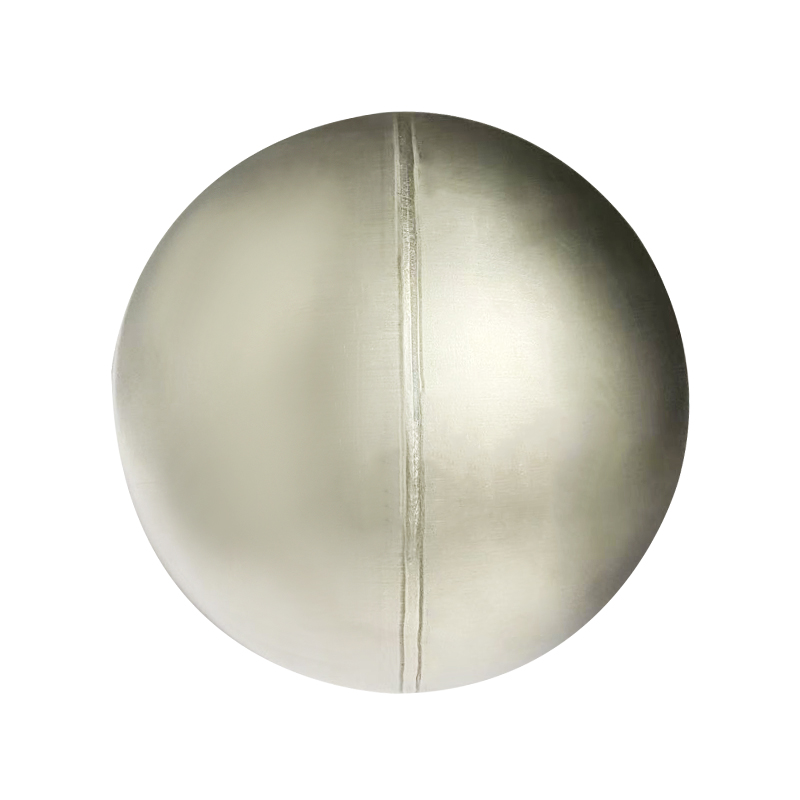
Impact of Liquid Dynamics on Float Ball Stability
Liquid behavior, including wave formation, turbulence, and directional flow, significantly affects float ball movement. In tanks with high fill or drainage rates, rapid liquid level changes can create lateral forces that push the float ball sideways or induce rotation. Such movement may interfere with the mechanical linkage, magnetically actuated switches, or sensor readings, causing false alarms or delayed responses. Understanding the dynamics of the specific application is the one step in optimizing float ball installation to mitigate these effects.
Selection of Mounting Location
The mounting location within the tank or vessel should minimize exposure to turbulence while ensuring a complete range of motion. Positioning the float ball away from inlet or outlet nozzles, agitators, or pump discharge zones reduces the impact of directional flow. In large tanks, vertical guide rods or fixed tracks are often employed to constrain the float ball’s movement to the vertical axis, preventing lateral drift. Proper height placement also ensures that the float ball responds accurately at critical high and low liquid thresholds without hitting the tank walls or other obstructions.
Use of Guides and Stabilizing Mechanisms
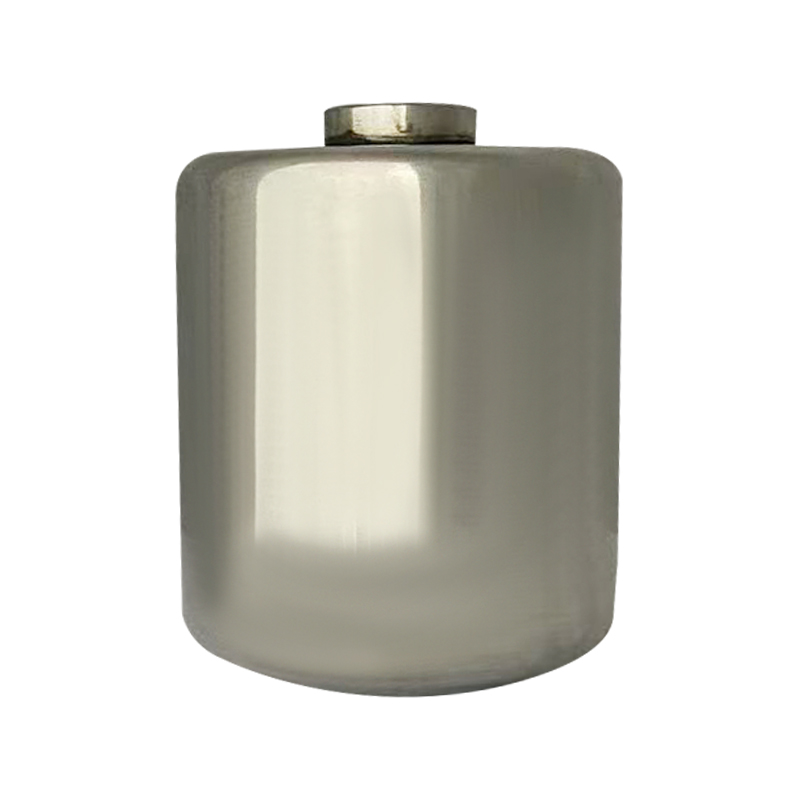
To enhance stability in high-dynamic environments, additional guiding mechanisms can be installed. Vertical rods, sliding channels, or frame cages can stabilize the float ball, preventing tipping or rotation while allowing free vertical motion. In some designs, counterweights or weighted bases are integrated to lower the center of gravity, reducing susceptibility to oscillation caused by sudden liquid surges. These stabilizing features allow the Stainless Steel Float Ball to maintain a precise position relative to the liquid surface, ensuring accurate and repeatable measurements.
Consideration of Tank Geometry and Baffles
Tank geometry plays an important role in liquid flow patterns and, consequently, float ball behavior. Rounded corners, narrow sections, or internal baffles can alter turbulence and wave formation. Installing the float ball in areas of more uniform liquid movement or using baffles to redirect flow can reduce erratic motion. Designers must analyze the tank layout, including inlet and outlet positions, to select an installation location that balances accessibility with exposure to destabilizing forces.
Maintenance and Inspection Accessibility
Optimizing float ball position is not only about stability but also about ease of maintenance. Locations that allow for regular inspection, cleaning, and adjustment without removing the tank from service improve long-term reliability. Accessible mounting points facilitate the replacement of seals, cleaning of debris, or inspection of mechanical linkages, ensuring the float ball continues to operate effectively even in demanding environments.
The stability of a Stainless Steel Float Ball in highly dynamic liquid-level conditions is strongly influenced by its installation position. By carefully analyzing liquid dynamics, selecting suitable mounting locations, employing guides and stabilizing mechanisms, and considering tank geometry, designers can decrease lateral movement and oscillation. Proper positioning ensures that the float ball provides accurate, reliable feedback to control systems, even under rapid liquid fluctuations. Attention to both stability and maintenance accessibility guarantees long-term performance and precision in demanding industrial and commercial applications.
Our Main Products



Contact Us
* We assure you that we will never divulge your privacy.

Quick Links
Product
Head Office
Room 201, Building 5, Yongjia Yulong Shoes Clothing Technology Innovation Micro Park, Oubei Street, Yongjia County, Wenzhou City, Zhejiang Province
Phone: +86-577-67329891
Tel: + 86-13868641338 / 13858813335
Fax: + 86-577-67329892
E-mail: [email protected]
Copyright © Yongjia County Yaokang Technology Co., Ltd.
Stainless Steel Float Ball Manufacturer
