
 EN
EN  English
 中文简体
中文简体
Yaokang Technology
Yaokang Technology
Yaokang Technology
Yaokang Technology
Industry News
Different Thickness Float Balls Affect Sensitivity in Liquid Level Control
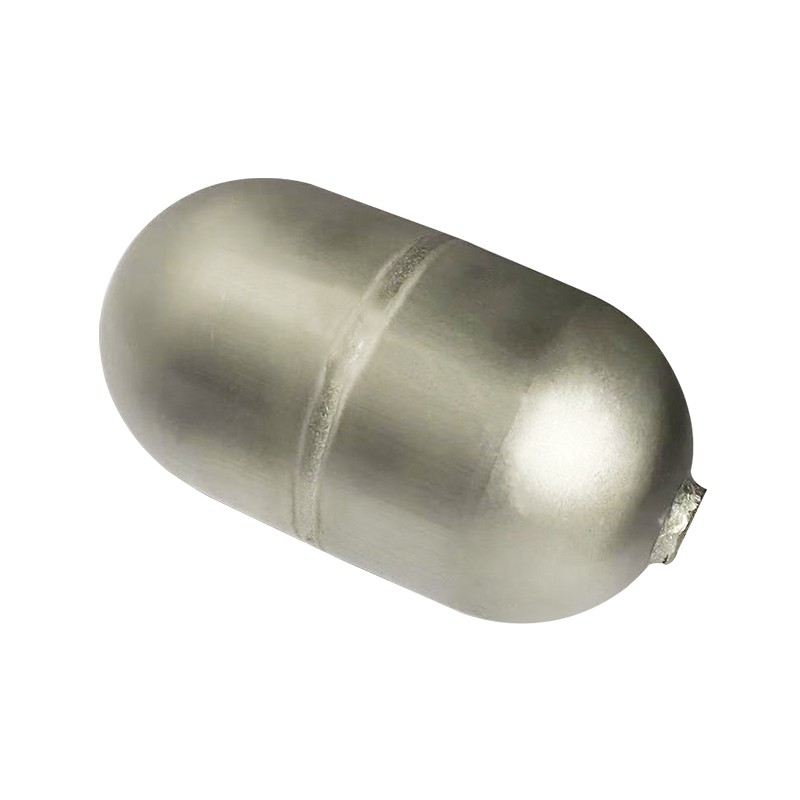
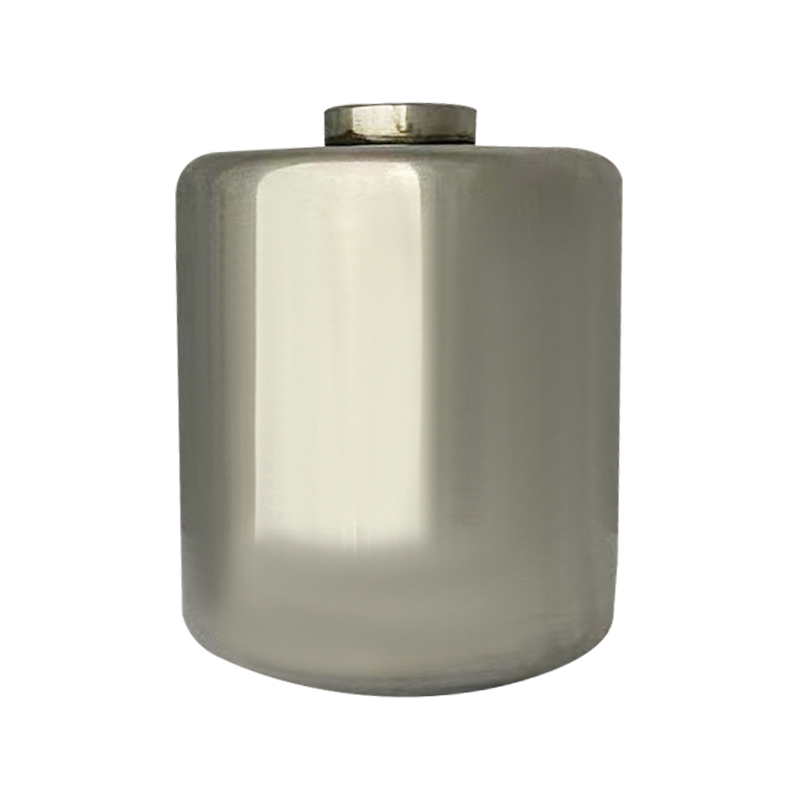
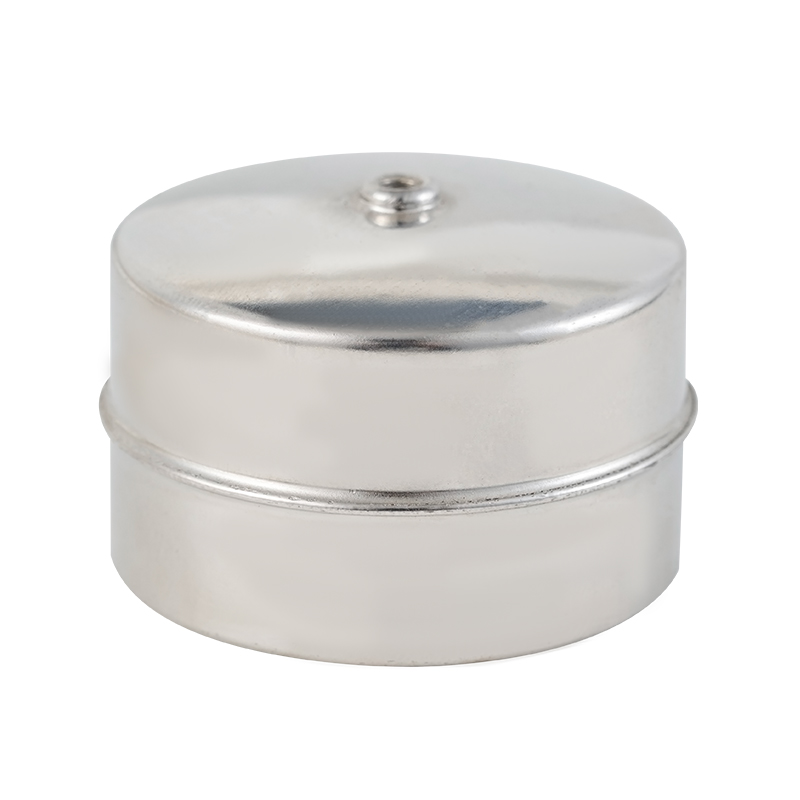
In liquid level control systems, precision and responsiveness are crucial factors that determine operational reliability. Components such as the float ball play a central role in detecting and maintaining the desired fluid levels in tanks, boilers, and pipelines. According to insights from several Float Ball Factory specialists, the structural design—especially the thickness of the float ball shell—has a direct impact on its sensitivity and performance. While thinner float balls tend to respond more rapidly to liquid level changes, thicker ones often prioritize durability and stability. The challenge lies in finding the right balance between sensitivity and long-term performance under varying environmental conditions.

Material Thickness and Buoyancy Response
The sensitivity of a float ball largely depends on its buoyant reaction to liquid level fluctuations. When the ball’s shell is thinner, its overall weight decreases, enabling it to move more freely with even minor level variations. This increased responsiveness allows for faster signal transmission to control systems, improving the accuracy of liquid monitoring. However, this heightened sensitivity comes with a trade-off: thinner shells are more prone to deformation under pressure, which can cause performance inconsistency in high-density or high-pressure fluids. In contrast, a thicker float ball provides stronger structural integrity but may react more slowly to subtle changes, potentially introducing a slight delay in control response.
Pressure Resistance and Structural Stability
Another critical factor in evaluating float ball thickness is its capacity to withstand internal and external pressure. In environments such as chemical tanks or steam boilers, where pressure variations are frequent, a float ball must maintain its shape to ensure consistent buoyancy. Float balls with thicker walls offer better resistance against compression, allowing them to operate reliably without risk of collapse or leakage. This characteristic makes them particularly suitable for industrial applications involving hot liquids or aggressive chemicals. On the other hand, float balls with reduced thickness may perform well in low-pressure environments, such as water reservoirs or lightweight measurement systems, where quick response takes precedence over mechanical strength.
Impact on Control Accuracy and Signal Transmission
The relationship between float ball thickness and control precision extends beyond simple buoyancy. In automated control systems, the float ball’s motion triggers sensors or mechanical linkages that regulate valves or pumps. A thinner float ball generates quicker mechanical displacement, enhancing the system’s feedback speed. Yet, excessive flexibility or oscillation may cause signal noise, causing inaccurate readings or erratic valve behavior. Conversely, a thicker float ball provides smoother and more stable movement, reducing vibration effects but slightly compromising the speed of detection. Thus, engineers must evaluate the operational context—fluid viscosity, tank depth, and turbulence—before determining the ideal float ball thickness for suitable sensitivity.
Balancing Durability, Sensitivity, and Application Needs
Selecting the correct float ball thickness requires balancing the competing priorities of responsiveness and longevity. In sectors such as food processing or water treatment, where precision and hygiene are essential, thinner and lightweight float balls may be preferred for their rapid reaction and low inertia. Meanwhile, industries dealing with fuel, oil, or corrosive chemicals often opt for thicker models to ensure safe and continuous operation. Float Ball Factory engineers frequently customize float ball thickness according to material grade, pressure conditions, and float diameter to achieve the desired equilibrium between sensitivity and endurance. The key is not simply to choose a thin or thick version, but to match the structural design with the application’s mechanical and environmental demands.
Our Main Products


Contact Us
* We assure you that we will never divulge your privacy.

Quick Links
Product
Head Office
Room 201, Building 5, Yongjia Yulong Shoes Clothing Technology Innovation Micro Park, Oubei Street, Yongjia County, Wenzhou City, Zhejiang Province
Phone: +86-577-67329891
Tel: + 86-13868641338 / 13858813335
Fax: + 86-577-67329892
E-mail: [email protected]
Copyright © Yongjia County Yaokang Technology Co., Ltd.
Stainless Steel Float Ball Manufacturer
