
 EN
EN  English
 中文简体
中文简体
Yaokang Technology
Yaokang Technology
Yaokang Technology
Yaokang Technology
Industry News
Testing and Maintaining Stainless Steel Float Ball Sealing
Importance of Sealing in Float Balls
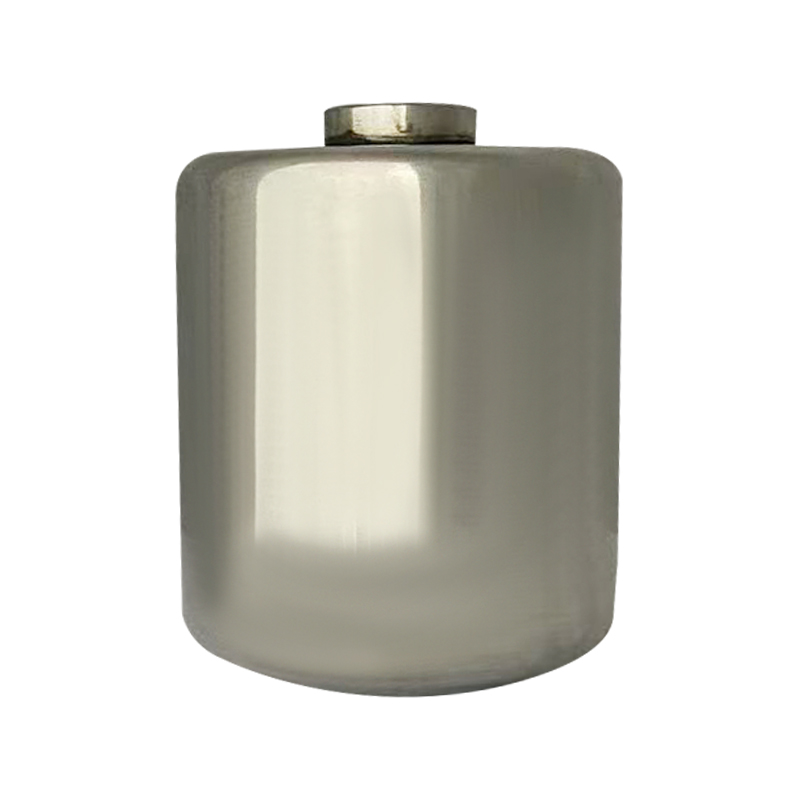
In liquid level control systems, the sealing performance of a Stainless Steel Float Ball is critical for maintaining accuracy and preventing leaks. Proper sealing ensures the float ball retains buoyancy, avoids fluid ingress, and operates reliably under various industrial conditions. Understanding how to test and maintain the sealing of stainless steel float balls can enhance their durability and improve the efficiency of pumps, storage tanks, and industrial fluid systems.
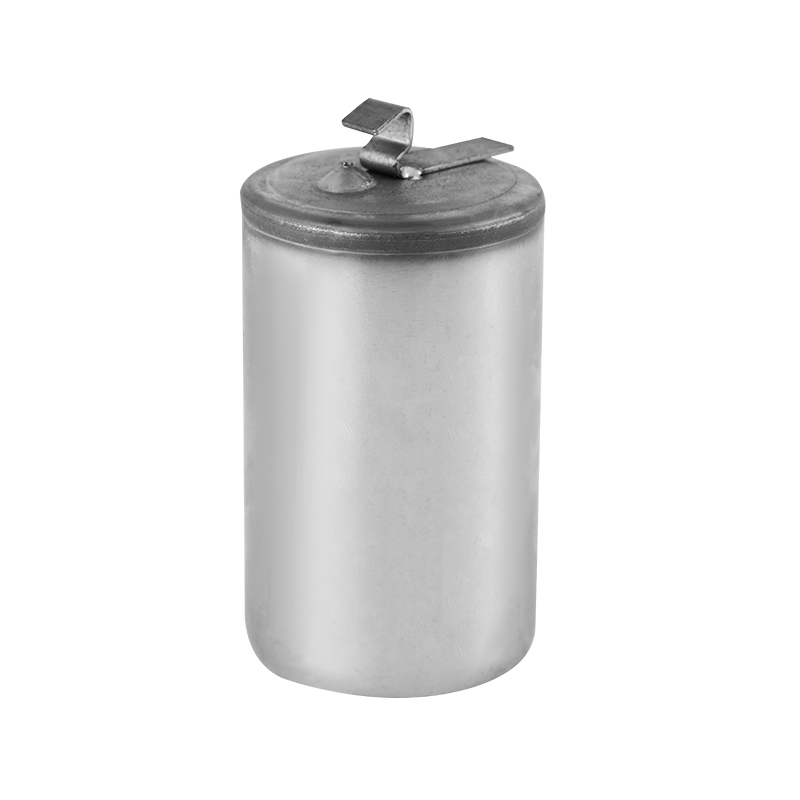
Common Sealing Methods
- O-Ring Seals: Many stainless steel float balls use high-quality rubber or synthetic O-rings to prevent water or chemical penetration.
- Welded Seams: For fully welded float balls, the seam integrity provides the primary barrier against fluid ingress.
- Seamless Construction: Advanced manufacturing sometimes produces seamless float balls for maximum sealing reliability in harsh environments.
Sealing Performance Testing
- Hydrostatic Testing: Submerging the float ball in water or another testing liquid and applying pressure can reveal leaks or weak points.
- Air Pressure Test: Introducing air pressure into a sealed float ball and monitoring for bubbles in the liquid detects tiny leaks.
- Visual Inspection: Examine welds, seams, and O-rings for cracks, corrosion, or deformities that may compromise sealing.
- Floatation Test: Place the float ball in liquid and check for consistent buoyancy; loss of floatation indicates compromised sealing.
Routine Maintenance Practices
- Clean Surfaces Regularly: Remove debris, sediment, or chemical residue from the float ball exterior to prevent wear on seals.
- Inspect O-Rings and Gaskets: Check for signs of cracking, brittleness, or displacement, and replace if necessary.
- Check Welds and Seams: Look for corrosion, pitting, or minor leaks; small repairs or reinforcement may be required.
- Lubrication: Some O-ring seals benefit from light lubrication to maintain elasticity and reduce friction.
Environmental Considerations
- Corrosive Liquids: Exposure to acids, salts, or chemicals can degrade sealing materials. Use compatible seals and stainless steel grades.
- Temperature bads: Both high and low temperatures can affect sealing performance; inspect float balls operating in bad conditions more frequently.
- Pressure Fluctuations: Sudden changes in liquid pressure can stress seals; ensure float balls are rated for the system’s pressure range.
Installation Tips to Maintain Sealing
- Proper Alignment: Misaligned float balls may stress seals and cause premature failure.
- Avoid Over-Tightening: Excessive tightening of mounting components can deform seals.
- Use Correct Seal Type: Match the O-ring or gasket material to the liquid and temperature conditions.
Troubleshooting Common Issues
- Water Ingress: Signs include loss of buoyancy or unusual weight. Inspect for cracked welds or faulty O-rings.
- Leak-Induced Fluctuations: Inaccurate liquid level readings may indicate compromised sealing. Test with air pressure or hydrostatic methods.
- Seal Wear and Aging: Routine replacement of worn seals prevents system failure and maintains float ball performance.
Benefits of Proper Sealing Maintenance
- Extended Service Life: Well-maintained seals prevent premature failure of stainless steel float balls.
- Consistent Performance: Properly sealed float balls ensure reliable operation in pumps, storage tanks, and industrial systems.
- Reduced Maintenance Costs: Preventing leaks reduces downtime and avoids costly system repairs.
- Enhanced Safety: Secure sealing reduces fluid leaks that could damage equipment or create hazardous conditions.
The sealing performance of a Stainless Steel Float Ball is fundamental to its effectiveness in liquid level control systems. Testing methods such as hydrostatic and air pressure tests, combined with routine maintenance practices, ensure that float balls retain buoyancy, resist fluid ingress, and operate reliably over time. Considering environmental factors, correct installation, and timely troubleshooting further enhance sealing integrity.
Our Main Products



Contact Us
* We assure you that we will never divulge your privacy.

Quick Links
Product
Head Office
Room 201, Building 5, Yongjia Yulong Shoes Clothing Technology Innovation Micro Park, Oubei Street, Yongjia County, Wenzhou City, Zhejiang Province
Phone: +86-577-67329891
Tel: + 86-13868641338 / 13858813335
Fax: + 86-577-67329892
E-mail: [email protected]
Copyright © Yongjia County Yaokang Technology Co., Ltd.
Stainless Steel Float Ball Manufacturer
