
 EN
EN  English
 中文简体
中文简体
Yaokang Technology
Yaokang Technology
Yaokang Technology
Yaokang Technology
Industry News
What Is Stainless Steel Float Ball Used For In Modern Liquid Control Systems
Why Is Liquid Level Control Important In Modern Industrial Systems
In many working environments where liquids are stored, moved, or processed, the level inside a tank is not something that can be ignored. Even small changes can affect how a system behaves. That is why liquid level control has become a quiet but constant part of many setups.
A Stainless Steel Float Ball is often used because it can respond naturally to rising and falling liquid levels. When the liquid changes, the float moves with it. That movement can be turned into a signal or a mechanical action.
In simple terms, without reliable level awareness, systems may face overflow, empty running, or unstable flow conditions. This is why float-based methods still remain present in many designs, even alongside newer technologies.
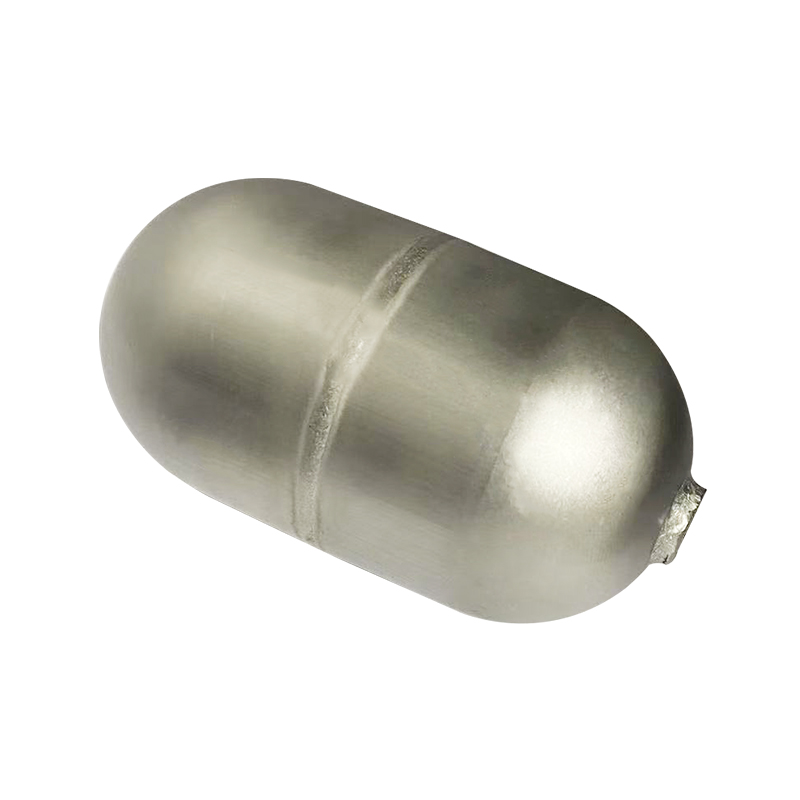
What Is A Stainless Steel Float Ball And How Does It Actually Work
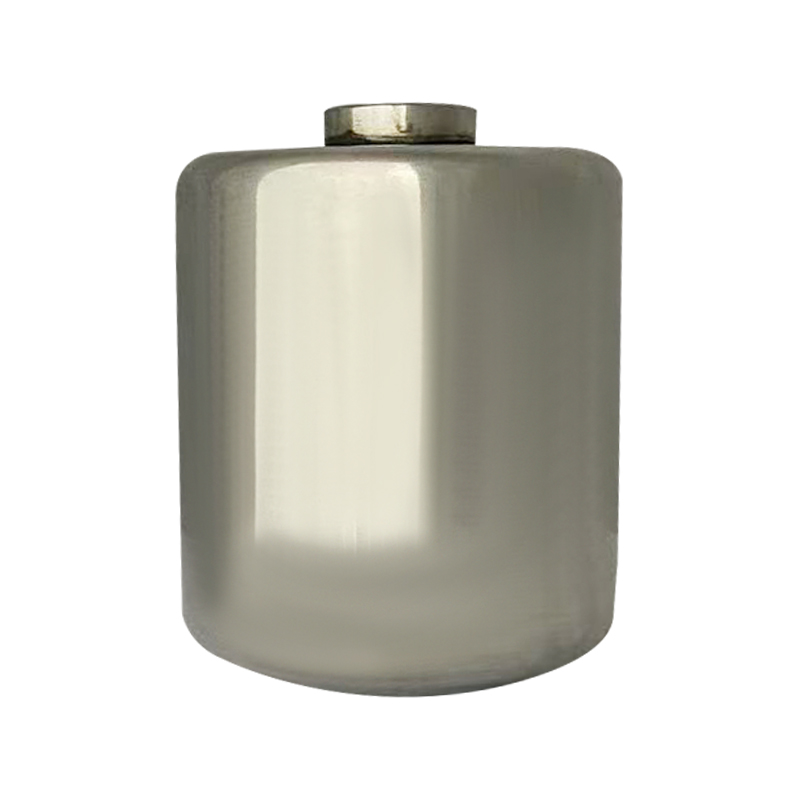
A Stainless Steel Float Ball is a sealed floating component that moves based on liquid height. It is designed to stay on the surface or within a controlled position range, depending on the system structure.
Its working idea is simple:
- liquid rises → float moves upward
- liquid drops → float moves downward
This movement is not random. It follows the liquid surface in a steady way, as long as conditions remain stable.
Inside a system, the float ball does not act alone. It usually works together with guiding parts or control mechanisms that convert movement into a response.
In some setups, Yongjia County Yaokang Technology Co., Ltd. appears in discussions around component development and system matching, especially where liquid control structures require stable mechanical response.
How Does A Stainless Steel Float Ball Respond To Changing Liquid Levels
The behavior of a Stainless Steel Float Ball depends on how the liquid changes over time. If the change is slow, the movement is smooth. If the change is sudden, the float reacts more quickly but still follows the surface.
The response can be understood in a few simple stages:
- upward movement when liquid rises
- stable holding when level remains steady
- downward movement when liquid drops
What makes it useful is not speed, but consistency. It does not jump or behave unpredictably under normal conditions.
Even when liquid surfaces are not perfectly calm, the float still tries to follow the general level line. This is important in systems where small shifts matter.
Why Is Stainless Steel Used For Float Ball Applications
Material choice plays a quiet but important role in float performance. Stainless steel is often selected because it keeps its shape and surface condition in different liquid environments.
Some practical reasons include:
- resistance to long-term liquid exposure
- ability to maintain structural strength
- stable surface behavior during repeated movement
- reduced risk of deformation under regular use
Unlike softer materials, stainless steel does not easily change form after long operation. This helps the float maintain consistent movement behavior.
At the same time, its weight is balanced in a way that still allows buoyant response, which is essential for float operation.
How Does Stainless Steel Float Ball Connect To Mechanical Control Systems
A float ball does not usually work alone. In many systems, it is connected to mechanical components that translate movement into action.
When the float rises or falls, it can:
- push a lever mechanism
- trigger a switching action
- adjust a valve position
- send a basic open or close signal
This connection is usually simple in structure but important in function.
A small table helps show how movement is translated:
| Float Movement | System Response | Practical Effect |
|---|---|---|
| Upward rise | Trigger activation | Stops or redirects flow |
| Stable level | No change | System holds state |
| Downward drop | Reset action | Starts or allows flow |
This kind of mechanical translation makes the system easier to maintain in environments where electronic complexity is not preferred.
How Is Stainless Steel Float Ball Integrated Into Automated Monitoring Systems
In more structured environments, float balls are not only mechanical parts. They are also part of monitoring systems that observe liquid conditions continuously.
Integration usually happens through:
- position-based detection
- signal conversion units
- mechanical-electrical linking systems
As the float moves, its position is read or interpreted by the system. That information is then used to adjust flow or trigger responses.
The important part here is stability. If the float position is not steady, the system may receive unclear signals. That is why design and installation matter as much as material choice.
How Does Tank Design Influence Stainless Steel Float Ball Performance
The shape and internal space of a tank can change how a float behaves. Even if the float itself is well made, its movement depends on available space.
Key influences include:
- narrow spaces limiting movement range
- curved surfaces changing motion path
- liquid flow direction affecting stability
- placement of guiding structures
If the float has enough space, it can move naturally with the liquid. If space is restricted, its motion may become less smooth.
This is why system design and float selection are often considered together rather than separately.
What Happens To Stainless Steel Float Ball In Turbulent Liquid Conditions
Liquid is not always still. In many systems, movement or vibration can occur. When this happens, the float does not follow a single clean line of motion.
Instead, it may:
- shift slightly with surface waves
- adjust position repeatedly in short time
- respond to changing pressure points
- settle when movement becomes calmer
Even under these conditions, the float continues to track general liquid level rather than every small disturbance.
The challenge is not total movement, but maintaining usable stability during changes.
How Does Liquid Type Change The Way A Stainless Steel Float Ball Moves
In real systems, liquids are rarely identical. Some are thin and move easily, others feel thicker and slower. These differences quietly affect how a Stainless Steel Float Ball behaves.
In thin liquids, the float rises and falls with little resistance. The motion feels light and direct. In thicker liquids, the same movement becomes slower, and the float may take more time to settle.
There are also small influences that are easy to overlook:
- small particles in liquid can slightly interrupt smooth motion
- surface tension may delay the first movement response
- temperature changes can shift how the liquid flows around the float
Even with these variations, the float still follows the general liquid level. It does not measure every small disturbance, only the overall direction of change.
Why Does Installation Position Change The Behavior Of A Float Ball
Where the Stainless Steel Float Ball is placed inside a system often decides how natural its movement feels. A small change in angle or alignment can be enough to affect performance.
If the installation is slightly tilted, the float may not rise evenly. It can touch the side of the chamber or move with uneven resistance. Over time, this may create inconsistent responses.
A proper setup usually aims for:
- enough space for free vertical movement
- alignment with the liquid surface direction
- smooth guiding paths without sharp contact points
When these conditions are met, the float tends to move in a calm and predictable way, which helps the system read changes more clearly.
How Does A Stainless Steel Float Ball Create A Control Action
The float itself does not perform any switching or decision-making. Its role is more physical. It moves with the liquid, and that movement is then translated into an action.
In many setups, this happens through simple mechanical contact. When the float reaches a certain position, it touches or releases a connected part. That small change can then start or stop a process.
Typical responses include:
- opening a passage for liquid flow
- stopping filling when a level is reached
- resetting a system after liquid drops
- sending a basic on or off signal
It is a quiet process. No complex behavior, just movement turning into action.
What Makes Stability A Key Point In Float Ball Operation
A float system does not need to move quickly. What matters more is whether it moves in a steady and repeatable way.
Several small conditions influence this stability:
- smoothness of internal surfaces
- balance of the float structure itself
- presence or absence of vibration nearby
- consistency of liquid movement inside the tank
If these remain steady, the float tends to behave in a predictable pattern. If they change often, the response may feel less consistent.
Stability here is not about perfection, but about reducing unnecessary variation.
How Is Maintenance Usually Handled For Stainless Steel Float Ball Systems
Maintenance for this type of component is usually simple and practical. It is less about repair and more about keeping movement smooth.
Common attention points include:
- checking if movement feels restricted
- cleaning surfaces where residue may form
- observing whether response timing has changed
- making sure guiding parts remain clear
In many cases, problems begin slowly. A small delay in movement or slight hesitation can be an early sign that something needs attention.
Keeping the system clean and unobstructed often helps maintain steady performance over time.
Where Does Stainless Steel Float Ball Fit In Industrial Liquid Control
This type of float is used in many environments where liquid level needs to be observed without complex systems.
It is commonly found in:
- storage setups where overflow needs to be avoided
- circulation systems that depend on steady liquid balance
- processing lines where liquid presence affects operation
- containers where level change must trigger simple responses
The main idea is not complexity. It is having a direct physical response to liquid movement.
How Does A Float Ball Work In Multi Level Liquid Conditions
Some systems need more than one reference point for liquid level. Instead of just “high” or “low,” there may be several stages.
A Stainless Steel Float Ball can support this by moving through different positions and triggering different responses along the way.
This can allow a system to:
- respond differently at various liquid heights
- control multiple actions within one container
- maintain layered awareness of liquid status
- adjust behavior gradually instead of all at once
The movement remains simple, but the outcome can be more structured.
What Challenges Can Appear During Real Use Conditions
Even though the design is simple, real environments can introduce small challenges.
Some of the more common situations include:
- uneven liquid movement causing temporary irregular motion
- buildup inside the system affecting smooth travel
- space limitations reducing movement range
- external vibration influencing position stability
These conditions do not usually stop function completely, but they can affect how smooth or clear the response feels.
In many cases, system design adjustments can reduce these effects.
How Do Engineers Decide On The Right Float Ball Setup
Choosing a float system is usually not based on a single factor. It involves matching the environment, structure, and expected behavior.
Points often considered include:
- size of the container or tank
- type of liquid and its movement behavior
- sensitivity required for level response
- space available for installation and movement
The goal is to match movement behavior with system expectations, so the float can respond naturally without unnecessary restriction.
Why Does Stainless Steel Float Ball Still Remain Widely Used
Even with newer sensing technologies available, this type of float system is still used in many places.
The reason is often practical:
- it works through direct physical movement
- it does not rely on complex control structures
- it responds naturally to liquid level change
- it fits into many different system designs
- Its simplicity makes it easy to understand, install, and maintain.
How Does Stainless Steel Float Ball Fit Into Long Term System Thinking
In long-term use, systems are often judged by how stable and predictable they remain over time. A float-based method supports this by keeping the mechanism direct and visible.
There is no hidden process. Movement leads to response in a clear chain. That simplicity can be useful in environments where reliability depends on mechanical clarity rather than complex logic.
In this way, the Stainless Steel Float Ball continues to hold a steady role in many liquid control systems, supporting basic level awareness through a simple and physical principle.
Our Main Products



Contact Us
* We assure you that we will never divulge your privacy.

Quick Links
Product
Head Office
Room 201, Building 5, Yongjia Yulong Shoes Clothing Technology Innovation Micro Park, Oubei Street, Yongjia County, Wenzhou City, Zhejiang Province
Phone: +86-577-67329891
Tel: + 86-13868641338 / 13858813335
Fax: + 86-577-67329892
E-mail: [email protected]
Copyright © Yongjia County Yaokang Technology Co., Ltd.
Stainless Steel Float Ball Manufacturer
