
 EN
EN  English
 中文简体
中文简体
Yaokang Technology
Yaokang Technology
Yaokang Technology
Yaokang Technology
Industry News
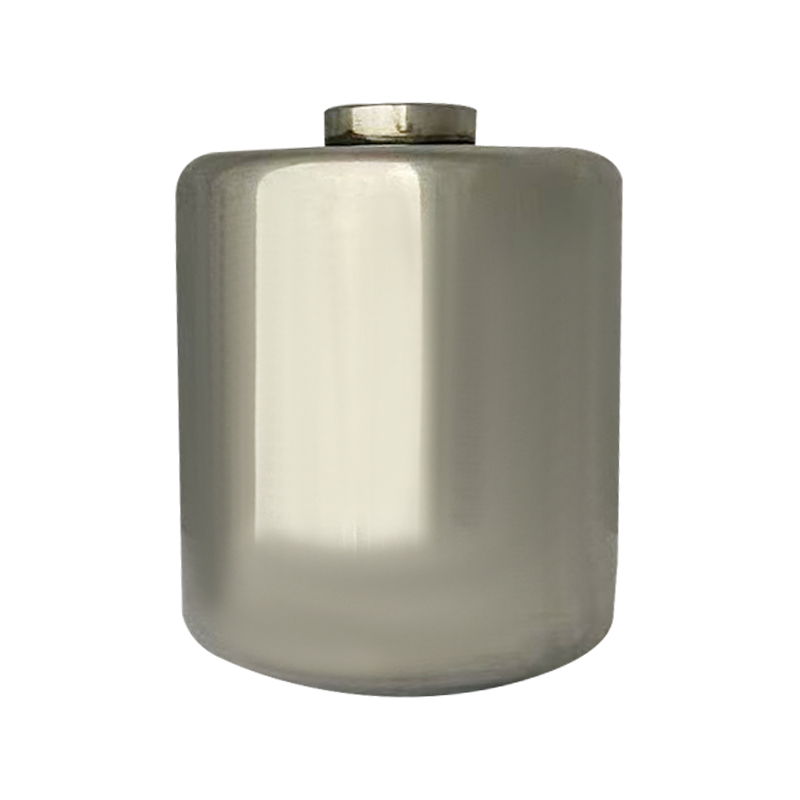
Why Do Many Liquid Systems Choose 8 stainless steel float ball
Inside many liquid systems, small parts often decide whether movement stays smooth or becomes difficult over time. A float ball is one of those parts. It is not large, and it usually stays hidden inside tanks or control structures, but its movement affects how liquid levels are handled during daily operation.
In product discussions related to Yongjia County Yaokang Technology Co., Ltd. , compact float components are often connected with practical liquid control needs where stable movement and simple structure matter in long term use.
Changing Needs In Liquid Control Equipment
Liquid systems today are used in many different environments. Some are large, while others are compact and built into smaller equipment. Because of this, internal components also need to fit into tighter spaces and adapt to different operating conditions.
People who work with liquid equipment usually pay attention to reliability during repeated use. They do not only look at appearance or structure drawings. They care more about whether the component can continue moving normally after long periods inside liquid environments.
In many systems, a smaller float structure becomes easier to work with because:
- installation space is limited
- internal movement areas are narrow
- liquid levels change frequently
- equipment layouts are becoming more compact
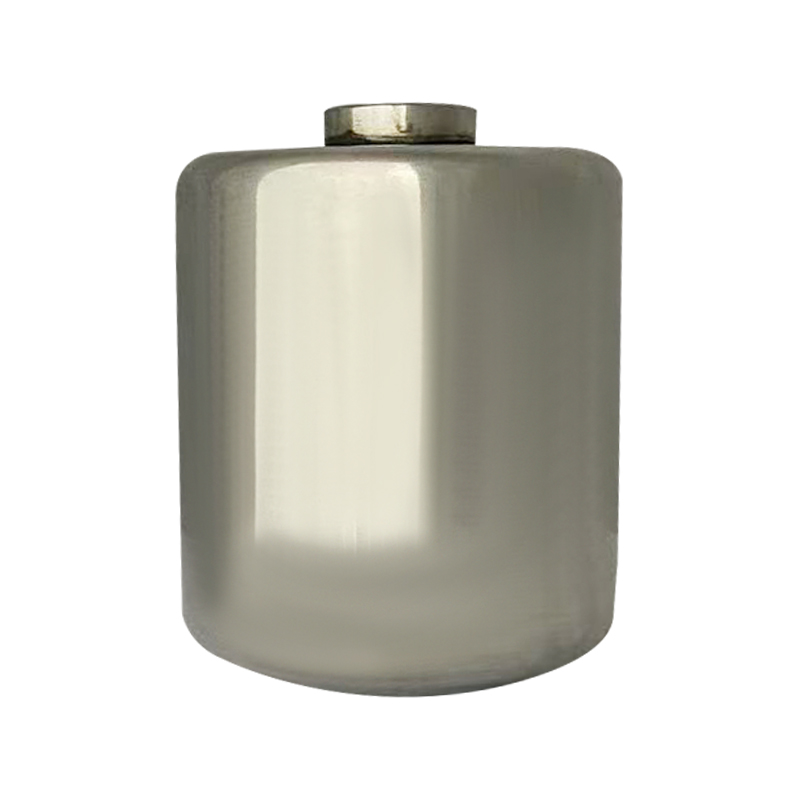
The 8 stainless steel float ball is often chosen in these situations because it can move inside smaller spaces without making the internal structure too crowded.
How A Float Ball Works Inside A Liquid System
The basic movement of a float ball is simple. When liquid rises, the float moves upward. When liquid drops, it moves downward again. This movement is then connected to other parts inside the system.
Even though the motion looks small, it affects how the liquid system reacts during operation. If the float cannot move smoothly, the response of the equipment may also change.
Inside daily working environments, float balls are commonly used for:
- monitoring liquid level changes
- supporting automatic switching actions
- helping maintain stable liquid movement
- reducing manual checking during operation
The structure itself is not complicated, which is one reason many systems continue using this type of component.
Why Stainless Steel Is Often Used
Material changes how a float ball behaves after long exposure to liquid. Stainless steel is commonly selected because it handles moisture in a relatively steady way during repeated use.
Some materials may become weaker or change surface condition more quickly after staying inside liquid environments for long periods. Metal structures are often preferred when stability during repeated movement is important.
Another reason involves cleaning and inspection. Smooth stainless steel surfaces are usually easier to wipe or check during maintenance.
People also look at things like:
- how the surface changes after long contact with liquid
- whether the structure remains balanced during movement
- how the material reacts in humid environments
- whether the float keeps its shape over time
These small details become more important after the equipment has been running for a long period.
Compact Size And Installation Flexibility
Many liquid systems do not have much free space inside. Pipes, rods, valves, and other internal parts may already occupy most of the available area.
A smaller float ball can reduce installation difficulty because it leaves more movement room inside the system. This is one reason compact float structures receive attention in modern liquid equipment design.
The 8 stainless steel float ball is often used where:
- tanks are narrow
- movement distance is limited
- several internal components are close together
- flexible positioning is needed during installation
Smaller float components also make adjustments easier during equipment setup.
Liquid Stability And Smooth Float Movement
Inside automatic liquid systems, movement needs to stay steady. If the float reacts unevenly, liquid monitoring may become less stable during operation.
A float ball should rise and fall naturally with the liquid instead of moving too suddenly or becoming delayed.
Several small factors influence this:
- weight balance
- surface smoothness
- sealing condition
- surrounding liquid flow
When these conditions stay stable, the movement inside the system usually feels more controlled.
The 8 stainless steel float ball is often discussed in relation to stable operation because its structure supports repeated movement without requiring complicated adjustment.
Surface Finish And Daily Use
The outer surface of a float ball affects more than appearance. Since it stays in direct contact with liquid, the condition of the surface gradually influences movement and maintenance.
Smoother surfaces often make it easier for liquid to move around the float naturally. They may also reduce residue buildup after long use.
If the surface becomes uneven, people may notice:
- more residue staying on the exterior
- changes during float movement
- increased cleaning attention
- rougher contact with surrounding liquid
These changes do not always appear immediately. In many systems, they develop slowly through repeated use.
| Surface Condition | Daily Operating Effect | Maintenance Situation |
|---|---|---|
| Smooth surface | Stable movement | Easier cleaning |
| Uneven exterior | More residue buildup | More checking needed |
| Worn surface | Less steady response | Increased maintenance attention |
Over time, surface condition becomes part of overall operating stability.
Durability During Repeated Operation
Float balls inside liquid systems rarely stay still for long. They continue moving as liquid levels change throughout operation.
This repeated movement slowly affects the structure. Materials that cannot handle long term floating cycles may begin showing small changes in balance or surface condition.
Durability in these systems often depends on:
- how stable the sealing remains
- whether the structure keeps its shape
- how the surface reacts to liquid exposure
- how smoothly the float continues moving after repeated use
Because liquid systems often operate continuously, steady long term behavior becomes more important than short term appearance.
Different Liquid Environments And Compatibility
Liquid systems are not always used under the same conditions. Some contain relatively clean water, while others operate in humid or mixed liquid environments.
Because of this, users usually think about compatibility before selecting float components.
Common concerns include:
- liquid type inside the system
- surrounding humidity
- movement intensity during operation
- long term exposure conditions
The stainless steel float ball is often selected because its structure adapts to many ordinary liquid environments without requiring highly complicated operating conditions.
Importance Of Weld Structure In Float Ball Production
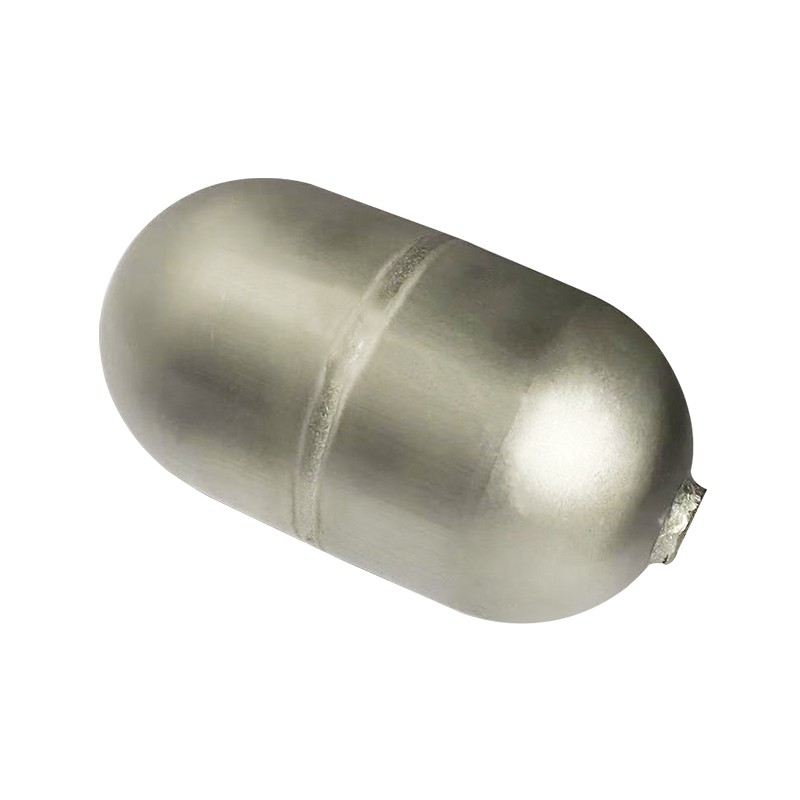
A float ball may look simple from the outside, but the connection areas matter a lot during long term use. In many cases, people pay close attention to the welded section because it affects sealing and structural balance.
If sealing becomes unstable, liquid may slowly enter the inside of the float. Once that happens, the floating behavior can change. The movement may become heavier or less stable than before.
Because of this, weld quality is often connected with:
- sealing stability
- long term floating performance
- surface consistency
- internal balance during movement
In daily operation, these things are not always visible immediately. Many changes happen slowly after repeated use inside liquid environments.
Installation Considerations Inside Liquid Systems
Installing a float ball is usually not complicated, but positioning still matters. Even a small change in placement can influence movement during operation.
Inside narrow tanks or compact structures, enough movement space is needed around the float. If nearby parts block movement, liquid response may become uneven.
People often check:
- whether the float can move freely
- whether rods or nearby parts touch the surface
- whether the installation angle affects movement
- whether liquid flow pushes the float too strongly
The compact size of the stainless steel float ball often helps during installation because it fits more easily into restricted internal spaces.
Maintenance Habits And Daily Inspection
Float components are often expected to keep working quietly in the background, but regular checking still helps maintain stable operation over time.
In many systems, maintenance is fairly simple. Most attention goes toward surface condition and movement behavior.
Some common inspection habits include:
- checking whether the float still moves smoothly
- observing surface condition after long use
- cleaning residue from the exterior
- watching for signs of liquid entering the float structure
These small checks usually take less effort than dealing with larger operational interruptions later.
Differences Between Stainless Steel Float Ball And Other Materials
Float balls are made from different materials depending on the system design and operating conditions. Stainless steel is only one option, but it is often selected when long term structural stability matters.
Some lighter materials may reduce overall weight, while metal structures generally feel more stable during repeated movement cycles.
People comparing materials often notice differences in:
- surface behavior after long liquid exposure
- movement feel during operation
- structural consistency over time
- maintenance frequency
Material selection usually depends more on operating environment than appearance alone.
Role Of 8 stainless steel float ball In Automatic Liquid Equipment
Automatic liquid systems rely on continuous response. Components inside these systems need to react naturally to changing liquid levels without requiring constant manual adjustment.
A float ball supports this process by moving together with the liquid and transferring that movement through connected structures.
Inside automatic systems, the stainless steel float ball is commonly connected with:
- liquid monitoring equipment
- tank level control structures
- automatic opening and closing actions
- continuous liquid management systems
Its compact structure allows it to work inside systems where movement space is limited but stable response is still necessary.
What Users Often Consider Before Selection
When selecting float components, people usually think about actual operating conditions rather than appearance alone.
Several practical questions often come up:
- Will the float fit inside the available space
- Does the structure match the liquid environment
- Is the surface easy to maintain
- Can the float continue moving steadily after long use
Size is also important. A float that is too large may reduce movement flexibility inside compact systems, while one that is too small may not match the operating structure properly.
Because of this, many users compare installation space, liquid behavior, and movement requirements before choosing a specific float type.
Long Term Direction Of Liquid System Components
Liquid control systems continue changing together with equipment design. Many structures are becoming smaller, while operating demands remain steady.
This creates more interest in compact components that can support continuous movement without adding unnecessary complexity.
Several trends are becoming easier to notice:
- preference for smaller internal parts
- simpler structures with practical functions
- reduced installation space inside equipment
- more attention to stable long term operation
The stainless steel float ball fits naturally into these changes because its structure remains relatively simple while still supporting steady liquid movement in many common systems.
Everyday Practical Value In Liquid Monitoring
In many working environments, the value of a float component is not based on appearance or complexity. What matters more is whether the movement remains stable during ordinary operation.
A float ball that continues reacting smoothly to liquid changes becomes easier to rely on over time. Small interruptions inside liquid systems can gradually affect larger operating processes, so stable movement remains important even for small internal parts.
The 8 stainless steel float ball continues receiving attention in liquid equipment discussions because it combines compact size, steady structure, and flexible use across many ordinary liquid control environments.
Our Main Products



Contact Us
* We assure you that we will never divulge your privacy.

Quick Links
Product
Head Office
Room 201, Building 5, Yongjia Yulong Shoes Clothing Technology Innovation Micro Park, Oubei Street, Yongjia County, Wenzhou City, Zhejiang Province
Phone: +86-577-67329891
Tel: + 86-13868641338 / 13858813335
Fax: + 86-577-67329892
E-mail: [email protected]
Copyright © Yongjia County Yaokang Technology Co., Ltd.
Stainless Steel Float Ball Manufacturer
