
 EN
EN  English
 中文简体
中文简体
Yaokang Technology
Yaokang Technology
Yaokang Technology
Yaokang Technology
Industry News
How Does 8 Stainless Steel Float Ball Control Water Level
Why Do Water Tank Systems Still Rely On Mechanical Float Control
In many water tank setups, liquid level control does not depend on complex monitoring systems. Instead, a simple mechanical float is still commonly used. The reason is not about being outdated or modern, but about how stable and easy the system behaves in real environments.
Water tanks are often placed in locations where conditions are not ideal. Power supply can be unstable in some places, and maintenance access is not always convenient. In these situations, a control method that works without extra input becomes more practical.
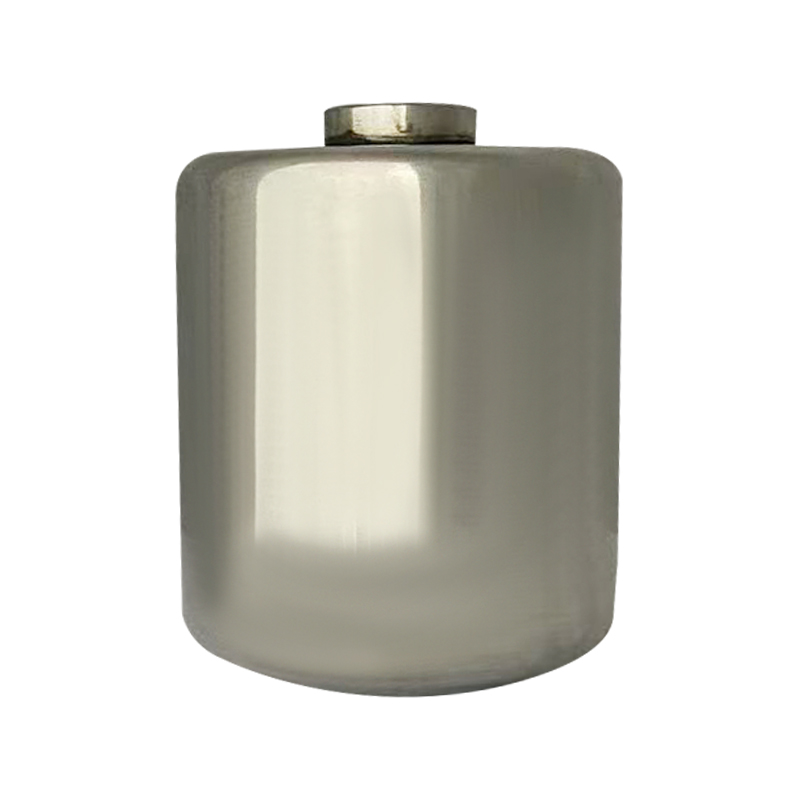
An 8 stainless steel float ball is one of those components that works quietly in the background. It sits on the water surface and moves naturally as the level changes. Nothing complicated happens in the process, but the result is steady control of inflow and outflow.
What makes it useful is not only how it works, but how little attention it needs once installed.
What Is an 8 Stainless Steel Float Ball in Real Water Systems
At its core, this float ball is a hollow component designed to stay on the surface of liquid. It follows the rise and fall of water inside a tank without needing external energy or signals.
Stainless steel is often chosen because it holds its shape well in long-term contact with water. In real use, the ball is usually connected to a simple mechanical linkage that reacts when the float reaches a certain position.
When the water level rises, the float moves upward. When the water level drops, it moves downward. That movement is then transferred into a small mechanical action that opens or closes a valve or switch.
It sounds simple, and in practice it really is. There is no need for calculation or interpretation. The system responds directly to physical change.
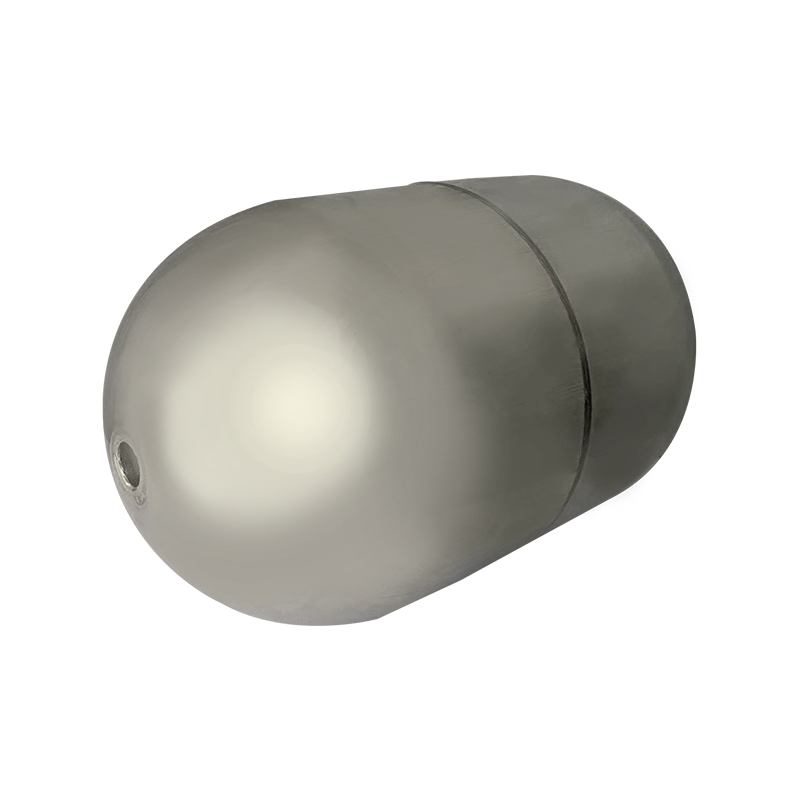
How Does an 8 Stainless Steel Float Ball Respond to Changing Water Levels
Inside a tank, water does not stay still. It rises when filling starts and drops when water is used. The float ball follows this movement naturally, staying on the surface at all times.
As the level changes, the float shifts position. That shift is connected to a mechanical trigger that controls water flow. In most systems, this creates a repeating pattern that continues as long as the tank is in use.
Water enters, the float rises.
The float reaches a certain point, the system reacts.
Water flow slows or stops.
When water is used again, the level drops.
The float follows the surface back down.
This cycle does not require adjustment during operation. It depends entirely on the movement of liquid inside the tank.
In real environments, the speed of this movement may feel different depending on how quickly water enters or leaves the system, but the basic behavior stays the same.
Why Does Stainless Steel Matter for Float Ball Performance
Material choice plays a quiet but important role in how the float behaves over time. In constant contact with water, some materials may change shape or surface condition gradually. Stainless steel behaves more steadily under these conditions.
In practical use, it helps in a few ways that matter over long operation periods:
- it keeps structural shape during repeated movement
- it handles continuous water contact without easy surface change
- it works smoothly with mechanical parts inside the system
Water tanks are not always checked frequently. Some operate for long stretches without interruption. In that kind of setting, material stability becomes more important than short-term performance.
Even small changes in surface condition can affect how smoothly a float moves. A stable material reduces that risk and keeps motion more predictable.
What Makes an 8 Stainless Steel Float Ball Reliable for Level Control
Reliability in liquid level control does not come from complexity. It comes from repetition and consistency. The float ball works because it reacts the same way each time the water level changes.
It does not try to interpret conditions. It simply follows the surface of the liquid.
In real systems, this shows up as:
- steady upward movement when water is added
- natural downward movement when water is used
- repeatable triggering at the same level range
- no need for constant manual correction
This kind of behavior is useful in systems where attention is limited. Once installed, the system continues to function based on simple physical movement.
It is less about precision in a technical sense, and more about keeping water levels within a usable range without interruption.
How Does Water Pressure Change Float Ball Behavior Inside a Tank
Even though the float ball only follows the water surface, the environment inside the tank is not always stable. Water flow can change, and pressure can shift slightly depending on how the system is used.
When water enters quickly, the surface may rise faster than usual. When usage is uneven, the level may drop in steps instead of a smooth decline. The float responds to these changes directly.
Sometimes the movement feels slightly delayed. Other times it reacts more quickly. These differences are not caused by the float itself, but by how the water behaves around it.
In closed tanks, air above the water also plays a role. Small pressure differences can influence how the surface moves, which in turn affects how the float shifts position.
Still, the system remains mechanical in nature. It follows physical movement rather than interpreting it.
What Factors Influence Performance in Real Tank Conditions
Even simple mechanical systems respond to their surroundings. In water tank environments, several small factors can influence how smoothly the float behaves over time.
Water quality is one of them. If there are particles or impurities, movement may feel slightly less smooth. Tank shape also matters, especially if space around the float is limited.
Other conditions include:
- how often the water level changes
- how strong the inflow or outflow is
- whether internal surfaces create resistance
- how long the system runs without maintenance
These are not extreme conditions. They are normal parts of daily operation. The float system continues working, but its movement can feel slightly different depending on these factors.
| Tank Condition | Float Movement Behavior |
|---|---|
| Slow water filling | Smooth and steady rise |
| Fast inflow | Quick rise with slight delay in response |
| Water usage periods | Gradual and natural drop |
| Irregular flow | Small variation in movement timing |
| Long continuous use | Stable repeated motion with minor wear influence |
How Is an 8 Stainless Steel Float Ball Installed in Water Tank Systems
Installation is usually simple in structure, but the position inside the tank matters more than it seems at first glance. The float ball needs enough space to move freely with the water surface. If the movement path is blocked or too tight, the response becomes less smooth.
In many practical setups, the float is connected to a mechanical arm or linkage system. This connection allows the upward and downward motion to be transferred into a switching action. The switch is what controls water flow in or out of the tank.
Placement inside the tank is often decided based on:
- where water enters the system
- where the outlet or valve is positioned
- how much vertical space is available for movement
- whether the tank shape allows free floating motion
In real work environments, installation is rarely about perfect alignment. It is more about finding a position where the float can move naturally without interference from walls or fittings.
Once installed, the system does not require frequent adjustment. It continues working as long as the float can move freely with the liquid level.
What Happens When Float Ball Movement Becomes Unstable
Even though the system is simple, there are situations where movement does not feel smooth. This usually does not happen suddenly. It develops gradually based on how the tank is used over time.
One common issue is hesitation in movement. The float may not rise or fall as quickly as expected. This can happen when something inside the tank slightly limits its motion.
Another situation is irregular switching. The water level reaches a point, but the system reacts a bit earlier or later than usual. This does not always stop operation, but it can affect how consistently the tank fills or drains.
In real environments, causes often include:
- buildup on internal surfaces
- limited space for float movement
- changes in water flow strength
- gradual wear from long-term use
These conditions are not extreme failures. They are small changes that affect how smoothly the system behaves during daily cycles.
How Does the Surrounding Environment Affect Float Ball Performance
Water tanks do not operate in isolated conditions. Temperature changes, water quality, and flow patterns all influence how the float behaves.
In warmer conditions, water movement inside the tank may feel slightly more active. In cooler environments, the motion can feel slower. The float simply follows these changes without needing adjustment.
Water quality also plays a role. Clean water allows smoother movement, while water with small particles may slightly affect the float's path over time. This does not stop the system from working, but it can change how fluid the motion feels.
Tank structure is another factor. Some tanks have narrow internal spaces, while others are more open. In tighter spaces, the float has less room to move freely, which can influence response behavior during level changes.
Why Do Mechanical Float Systems Still Work Well in Daily Use
Even with newer monitoring methods available, mechanical float systems remain common in water control setups. The reason is not only simplicity, but also how predictable they behave in long-term operation.
They do not rely on external signals or power supply. As long as there is water in the tank, the system continues to respond.
In daily use, this brings a few practical advantages:
- no need for continuous monitoring
- stable response during long operation periods
- fewer points of failure compared to complex systems
- easy replacement when maintenance is needed
These systems are often chosen in places where stability matters more than detailed measurement. For example, basic storage tanks or routine water supply systems do not always require advanced control logic.
The float ball becomes a direct physical indicator of water level, without interpretation or processing.
How Does an 8 Stainless Steel Float Ball Behave Over Long Operation Time
With continuous use, the float ball goes through repeated cycles of rising and falling. This movement is simple, but over time it creates a steady mechanical rhythm inside the system.
Most of the time, the behavior stays consistent. However, long-term exposure to water and movement may slowly influence how smooth the motion feels.
What usually appears is not sudden change, but small variation in movement feel. The float may respond slightly differently depending on flow strength or tank condition at that moment.
Even then, the basic function remains unchanged. The system still reacts to water level changes in the same direction and pattern.
This long-term stability is one reason why mechanical float systems are still used in many basic water control environments.
Why Simple Mechanical Control Still Has Its Place
Liquid level control does not always need complex systems to work properly. In many real environments, simplicity offers more stability than complexity.
An 8 stainless steel float ball operates based on direct physical movement. It follows water level changes without interpretation, adjustment, or external input. This straightforward behavior makes it suitable for tanks where steady operation is more important than detailed control.
Over time, the system continues to respond in the same basic pattern. Water rises, the float follows. Water drops, the float returns. This repeating motion is what keeps the system functional in everyday use.
Our Main Products



Contact Us
* We assure you that we will never divulge your privacy.

Quick Links
Product
Head Office
Room 201, Building 5, Yongjia Yulong Shoes Clothing Technology Innovation Micro Park, Oubei Street, Yongjia County, Wenzhou City, Zhejiang Province
Phone: +86-577-67329891
Tel: + 86-13868641338 / 13858813335
Fax: + 86-577-67329892
E-mail: [email protected]
Copyright © Yongjia County Yaokang Technology Co., Ltd.
Stainless Steel Float Ball Manufacturer
