
 EN
EN  English
 中文简体
中文简体
Yaokang Technology
Yaokang Technology
Yaokang Technology
Yaokang Technology
Industry News
How To Choose The Right 8 Stainless Steel Float Ball For Different Liquids
Why Liquid Type Changes Everything In Float Ball Use
In real tank systems, a float ball does not behave the same in every situation. People sometimes assume it works in a fixed way, no matter what liquid is inside. In practice, that is not really the case.
An 8 stainless steel float ball sits on the liquid surface and follows the level up and down. The idea looks simple. Still, once the liquid changes, the movement can feel different. Sometimes it moves smoothly, sometimes it reacts a bit slower, and sometimes the motion feels slightly uneven.
This is why liquid type matters more than it seems at first. A tank filled with clean water behaves one way. A tank filled with oil or mixed industrial liquid behaves another way. The float itself is the same, yet the environment changes how it performs.
Choosing the right float ball is not just about fitting the size. It is more about understanding what kind of liquid it will deal with every day.
What an 8 Stainless Steel Float Ball Actually Does in a Tank
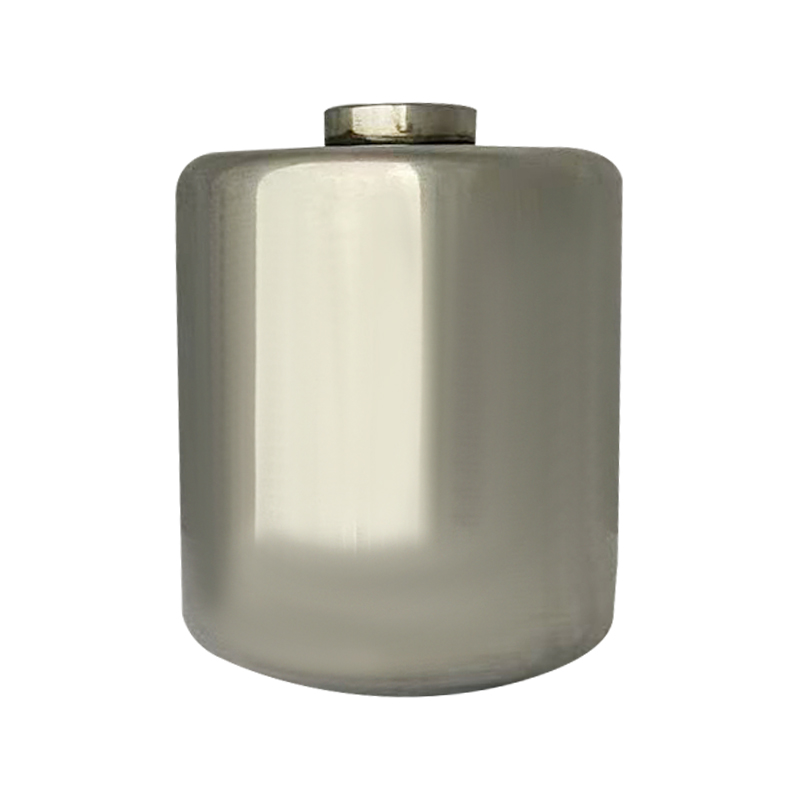
The structure is simple. It is a hollow ball made from stainless steel, designed to stay on the surface of liquid. It moves with the liquid level instead of fighting against it.
In most systems, the float is linked to a mechanical part. When the ball moves, that movement gets transferred into a simple action like opening or closing a flow path.
In real use, it usually works like this:
- liquid rises → float goes up
- liquid drops → float goes down
- movement triggers a mechanical response
There is no calculation happening inside the system. It is direct physical movement.
What often gets overlooked is how the liquid affects that movement. The float does not work alone. It reacts to what surrounds it.
How Different Liquids Change the Way the Float Moves
Liquids are not all the same, even if they look similar in a tank. Some are light and easy to move through. Some are thicker and slower. Some behave in a stable way, others change depending on temperature or mixture.
One key factor is surface behavior. Some liquids allow the float to move freely on top. Others create a kind of resistance on the surface, which can slow down the response.
Another factor is density. A denser liquid supports the float more strongly, while a lighter one may allow faster movement but less stability in transition.
In real working environments, these differences show up in small ways:
- movement feels smooth in clean water
- response slows slightly in thicker liquids
- motion becomes less stable in mixed fluids
- timing changes when flow is uneven
None of these are dramatic failures. They are just natural reactions to different conditions.
Why Water-Based Liquids Feel More Predictable
Water is usually the starting point when people think about float systems. It behaves in a more familiar and stable way compared to other liquids.
In clean water, the float ball rises and falls in a smooth rhythm. The surface is steady, and movement is easy to predict. That is why many basic tank systems use water as a reference environment.
Still, real water is not always perfectly clean. In actual use, there may be small particles, slight impurities, or temperature changes. These do not stop the system from working, but they can slightly change the feel of movement.
For example:
- clean water → smooth and direct float motion
- water with particles → slightly slower reaction
- changing temperature → small shift in response timing
- uneven flow → minor variation in movement
Even with these changes, water remains one of the most stable environments for float operation.
How Oil-Like Liquids Change Float Behavior
Oil-based liquids bring a different feeling to float movement. The surface is not as easy to break or move through. This changes how quickly the float reacts.
Instead of a quick rise or drop, the movement can feel more gradual. The float still follows the surface, but the transition is less sharp.
A few typical behaviors in oil-like environments:
- slower response when liquid level changes
- smoother but heavier movement
- slight delay before stabilizing
- reduced surface disturbance during motion
The float does not stop working. It simply reacts in a more controlled and slower rhythm because of the liquid resistance.
In real systems, this difference becomes noticeable during repeated cycles rather than single movements.
| Liquid Type | Movement Behavior |
|---|---|
| Clean water | Smooth and stable motion |
| Water with particles | Slight resistance in movement |
| Oil-like liquid | Slower and gradual response |
| Mixed industrial liquid | Uneven movement depending on composition |
| Chemical liquid | Changing response based on condition |
Why Chemical Liquids Need More Attention
Chemical liquids can be less predictable. Some behave like water, while others change depending on temperature or composition.
In these environments, the float may not always move in a consistent rhythm. Sometimes the surface behaves normally, and sometimes it shifts slightly during operation.
Common observations include:
- uneven movement during level change
- small delays in switching response
- variation in surface behavior over time
- different feel depending on liquid condition
The stainless steel structure helps maintain shape and basic function, but the liquid itself still influences how the system behaves day to day.
How Does Liquid Density Change Float Movement Over Time
Density is one of those things that is easy to ignore at first. The liquid looks normal, the tank looks normal, and the float ball sits on the surface as expected. Only when the system runs for a while does density start to show its influence.
In heavier liquids, the float tends to feel more "held up." It does not sink deeper into the surface, and the movement from one level to another feels more controlled. The response is still there, just slightly slower in transition.
In lighter liquids, the opposite can happen. The float reacts faster, but the surface support feels weaker during quick changes. When the liquid level shifts suddenly, the movement can feel a bit less settled.
In mixed conditions, where density is not stable, the float behavior can shift from one moment to another. That is usually when operators start noticing inconsistency, not because the float is faulty, but because the environment is changing around it.
Why Tank Shape Quietly Changes Float Behavior
Tank shape is not something people always connect with float performance, but in practice it has a clear influence.
A wide tank gives the float more freedom. The liquid surface moves in a calmer way, and the float has space to follow that movement without interruption.
A narrow tank tells a different story. The float has less room, and the water movement is more likely to reflect off the tank walls. This can make the float rise or fall in a slightly uneven path.
Even the position inside the tank matters. If the float sits too close to an inlet or outlet, the movement can feel less steady because the liquid flow is not uniform in that area.
What usually shows up in real use:
- wider space → smoother float motion
- tight space → slightly restricted movement
- uneven tank shape → irregular response timing
It is not something that stops the system from working. It just changes how "comfortable" the movement feels.
How Flow Speed Changes the Rhythm of the Float
Flow speed is something that operators notice more during daily work than during installation. The float does not just react to the level, it reacts to how fast that level changes.
When water enters slowly, the float moves in a calm and predictable way. The system feels balanced, almost like it has time to settle before reacting.
When inflow is fast, the surface changes more sharply. The float follows, but the transition is less gradual. After the flow slows down again, the system may take a moment to settle back into a stable rhythm.
In real conditions, this can feel like:
- steady inflow → smooth float movement
- fast inflow → sharper response and slight delay in stabilization
- unstable flow → uneven movement pattern over time
This is why the same float can feel different depending on how the tank is being filled or emptied during operation.
What Temperature Does to Float Behavior in Everyday Use
Temperature does not directly push the float, but it changes the liquid around it. That alone is enough to influence how movement feels.
When the liquid is warmer, it often moves more freely. The float follows the surface with less resistance, and the motion can feel slightly more responsive.
When the liquid is cooler, movement becomes more stable and slower. The surface is calmer, and the float tends to settle into a steady rhythm.
Over longer periods, temperature changes inside a system may create small differences such as:
- faster or slower reaction to level change
- slight variation in switching timing
- different feel during rising and falling motion
These changes are not abrupt. They usually appear gradually, especially in systems that run continuously without interruption.
What Happens to Float Behavior After Long-Term Use
A float system does not stop working suddenly in normal conditions. What tends to happen instead is a slow change in movement feel over time.
The ball keeps rising and falling with every cycle. That repeated motion is simple, but it also means constant contact with liquid and mechanical linkage points.
After long use, a few subtle changes may appear:
- movement feels slightly less smooth than before
- response timing shifts a little under certain conditions
- sensitivity changes depending on flow or liquid type
- small differences become more noticeable in unstable environments
Even with these changes, the basic function does not disappear. The float still follows the liquid level in the same direction. It just reacts with small variations that come from long exposure and repeated motion.
How Selection Decisions Are Usually Made in Real Use
Choosing a float ball for different liquids rarely follows a strict checklist in real workshops or systems. It is usually based on matching behavior rather than specifications on paper.
People often start by looking at the liquid itself. Not just what it is called, but how it behaves during use. Does it stay stable, or does it change over time. Does it flow smoothly, or does it move in bursts.
From there, the environment becomes part of the decision:
- stable water systems tend to need simple and predictable movement
- mixed liquids often require more tolerance for variation
- oil-like liquids usually involve slower response expectations
- chemical environments need attention to long-term stability
Tank structure also plays into the decision. Space, flow direction, and installation position all affect how the float will behave once in use.
In real situations, selection is often a balance between:
- how the liquid behaves
- how the tank is built
- how steady the flow remains
- how long the system will run without adjustment
There is rarely a single perfect condition. It is more about finding a match that stays stable enough in daily operation.
An 8 stainless steel float ball looks simple, and the working idea is straightforward. It follows the liquid surface and turns that movement into a mechanical response.
What makes it interesting in real use is how many small factors influence that simple motion. Liquid density, tank shape, flow speed, temperature, and long-term operation all add small changes to the same basic behavior.
None of these factors break the system. They just shape how it feels over time. When the environment is stable, the movement feels smooth and predictable. When conditions shift, the float quietly adjusts with it, even if the changes are small and gradual.
That is usually what determines whether a float system feels stable in real use, not the structure itself, but how well it matches the liquid environment it lives in.
Our Main Products



Contact Us
* We assure you that we will never divulge your privacy.

Quick Links
Product
Head Office
Room 201, Building 5, Yongjia Yulong Shoes Clothing Technology Innovation Micro Park, Oubei Street, Yongjia County, Wenzhou City, Zhejiang Province
Phone: +86-577-67329891
Tel: + 86-13868641338 / 13858813335
Fax: + 86-577-67329892
E-mail: [email protected]
Copyright © Yongjia County Yaokang Technology Co., Ltd.
Stainless Steel Float Ball Manufacturer
