
 EN
EN  English
 中文简体
中文简体
Yaokang Technology
Yaokang Technology
Yaokang Technology
Yaokang Technology
Industry News
What Factors Affect the Float Performance of 8 Stainless Steel Float Ball
A float ball works with a simple principle. Liquid rises, the ball moves upward. Liquid falls, the ball moves downward. Although movement looks straightforward, steady operation depends on many conditions around the float rather than the float alone.
An 8 stainless steel float ball performs differently from one system to another because every operating environment has its own characteristics. Liquid properties may change. Pressure may remain stable or vary during operation. Temperature can rise and fall throughout a working cycle. Small changes like these gradually influence floating behavior.
A metal ball float should therefore be viewed as one part of a complete liquid control system. Material, installation, surrounding liquid, and routine maintenance all contribute to long-term operation.
Choosing a suitable float begins with understanding where it will be used instead of looking only at size or external appearance.
How Liquid Density Changes Floating Behavior
Liquid density has a direct influence on buoyancy. Every float depends on the supporting force provided by the surrounding liquid. Once density changes, floating height changes as well.
A denser liquid usually supports the ball more easily. In a lighter liquid, the float settles slightly deeper before reaching balance. Such differences are part of normal operation and become more noticeable when equipment works with different kinds of liquids.
Movement also depends on how stable the liquid remains over time. A liquid with consistent properties often allows smoother float action. Frequent changes in composition may create small differences in floating response because buoyancy is no longer acting under identical conditions.
Before selecting an 8 stainless steel float ball, engineers often pay attention to several practical questions.
- Does liquid density remain stable during operation?
- Will liquid properties change after long service?
- Does the liquid contain more than one component?
- Does the liquid surface remain calm or move continuously?
Answers to those questions help determine whether a particular float structure matches the working environment.
Why System Pressure Changes Float Response
Pressure acts on every surface inside a closed liquid system. Although buoyancy keeps the float moving, pressure also influences how the ball behaves during daily operation.
Stable pressure generally allows smoother movement because surrounding conditions remain consistent. Pressure that changes repeatedly may place additional force on the float body and connected components. Over time, repeated loading can influence overall operating stability.
Another point involves matching the float with the working environment. A float designed for one pressure condition may not respond in exactly the same way under another condition. Reviewing operating pressure before installation helps reduce unnecessary stress during service.
Practical evaluation usually includes several simple observations.
- pressure during normal operation
- pressure changes during working cycles
- movement of nearby mechanical parts
- condition of the float after long use
- space available for free movement
Looking at pressure together with liquid conditions often provides a clearer understanding of floating performance.
How Operating Temperature Influences Stability
Temperature changes affect both liquid and metal surfaces. Heating causes gradual expansion, while cooling brings slight contraction. Such changes happen naturally during repeated operation.
An 8 stainless steel float ball works more consistently when surrounding temperatures remain within suitable operating conditions. Continuous heating and cooling may slowly influence dimensional stability and movement inside the system.
Temperature also affects nearby sealing parts and supporting components. A small change in one area may influence movement somewhere else because every part works together.
Working conditions deserve careful observation before installation.
- continuous warm environments
- repeated heating and cooling
- changing liquid temperature
- long operating periods
- storage before installation
Considering temperature as part of the whole operating environment often supports steadier float movement over time.
Why Surface Condition Affects Floating Accuracy
Surface condition gradually changes during everyday operation. A new float usually moves freely because its outer layer remains clean and smooth. After long service, surrounding liquid may leave small deposits that slowly change how the ball travels through the liquid.
Residue does not always appear immediately. Fine particles, mineral deposits, oil film, or other impurities may collect little by little. Even a thin layer can influence movement because the ball no longer contacts the liquid in exactly the same way.
Physical damage deserves attention as well. Small scratches, dents, or signs of wear may not stop operation, although they can affect balance and increase resistance during movement.
Regular observation helps identify those changes before they become larger maintenance issues.
Routine inspection often includes several simple points.
- check whether the surface remains clean
- remove visible deposits
- look for scratches or deformation
- observe whether movement remains smooth
- inspect after equipment cleaning
Simple maintenance carried out at suitable intervals often helps the float continue working under stable conditions.
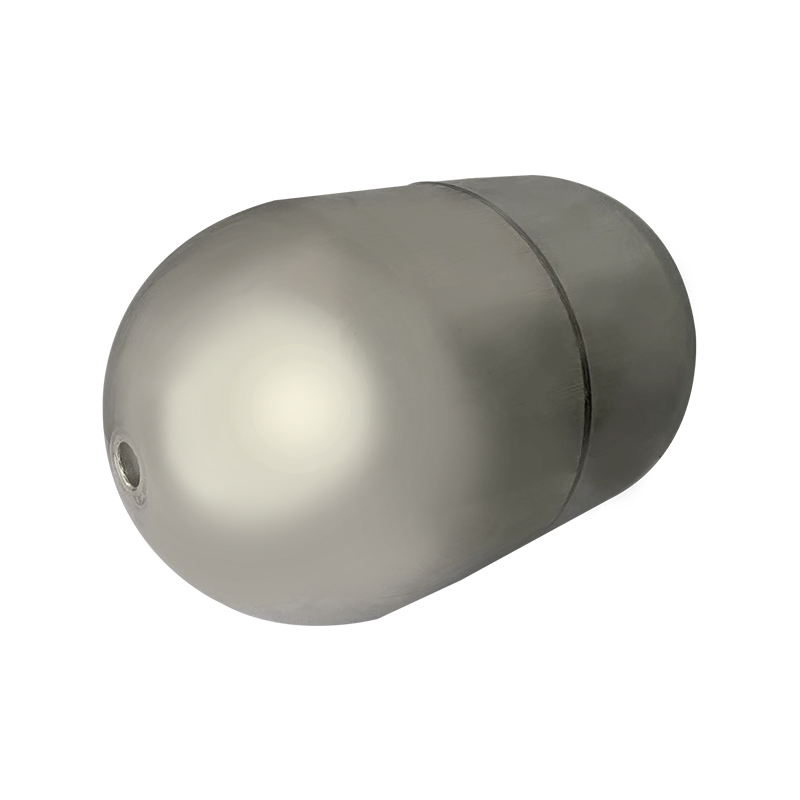
How Ball Structure And Size Influence Buoyancy
Floating performance depends not only on external appearance but also on the internal structure of the ball.
An 8 stainless steel float ball normally uses a hollow construction. Empty space inside the ball reduces overall weight while allowing enough displacement to create buoyancy. Stable wall thickness also helps keep weight distributed evenly around the surface.
Ball diameter influences another part of operation. A larger float displaces more liquid during movement, creating a different supporting force than a smaller one. Size therefore should match the working mechanism instead of being selected independently.
Balance inside the float remains equally important. Even weight distribution helps the ball move naturally without unnecessary tilting during repeated operation.
When reviewing product selection, attention is often given to several structural details.
- hollow internal construction
- balanced weight distribution
- stable wall thickness
- appropriate diameter
- smooth outer shape
Considering structure together with operating conditions often supports more consistent floating behavior.
How Liquid Quality Can Change Float Movement
Liquid quality affects more than buoyancy. Clean liquid usually allows steady movement because fewer materials remain on the float surface during operation.
Some working environments contain suspended particles, sediment, or small impurities. Over time, those materials may settle on the float or nearby components. Movement can gradually become less smooth as residue increases.
Foam and oily films may also influence how the float responds. Such conditions change the contact between liquid and surface, making movement different from operation in clean liquid.
| Liquid Condition | Influence On Float Movement |
|---|---|
| Clean liquid | Smooth floating response |
| Dense liquid | Higher floating position |
| Liquid with particles | Deposits may collect gradually |
| Liquid with mineral residue | Surface cleaning becomes more important |
| Flowing liquid | Continuous movement during operation |
Reviewing liquid quality before installation often provides a better understanding of long-term operating conditions.
Why Installation Conditions Also Matter
Installation has a direct influence on float movement. A well-designed float may still respond poorly when surrounding space limits its natural travel.
Enough clearance allows the ball to rise and fall without unnecessary contact. Correct alignment also supports smoother movement because surrounding components remain in their intended positions.
Routine inspection becomes easier when enough access remains around the installation. Maintenance personnel can observe movement, clean the surface, and remove deposits without dismantling large sections of equipment.
Several practical details are commonly reviewed during installation.
- adequate movement space
- correct installation direction
- stable mounting position
- easy inspection access
- clean surrounding area
Small adjustments made during installation often reduce maintenance work later.
How Regular Inspection Helps Maintain Float Performance
A float usually changes gradually rather than suddenly. Regular observation makes those small changes easier to identify before they influence normal operation.
Cleaning removes residue that may collect during service. Visual inspection helps identify wear, surface damage, or early signs of deformation. Looking at sealing areas and surrounding components also provides useful information because every part works together.
Storage deserves attention before installation as well. Keeping the float in a clean and dry environment helps protect the surface until it enters service.
An 8 stainless steel float ball performs according to several connected factors instead of one characteristic alone. Liquid density, operating pressure, temperature, surface condition, structural design, installation quality, and routine maintenance all contribute to floating behavior.
A metal ball float selected with the complete operating environment in mind often provides steadier movement throughout daily service. Careful evaluation before installation and regular inspection during operation help maintain reliable floating performance over time.
Our Main Products



Contact Us
* We assure you that we will never divulge your privacy.

Quick Links
Product
Head Office
Room 201, Building 5, Yongjia Yulong Shoes Clothing Technology Innovation Micro Park, Oubei Street, Yongjia County, Wenzhou City, Zhejiang Province
Phone: +86-577-67329891
Tel: + 86-13868641338 / 13858813335
Fax: + 86-577-67329892
E-mail: [email protected]
Copyright © Yongjia County Yaokang Technology Co., Ltd.
Stainless Steel Float Ball Manufacturer
