
 EN
EN  English
 中文简体
中文简体
Yaokang Technology
Yaokang Technology
Yaokang Technology
Yaokang Technology
Industry News
What Is The Internal Structure Of A Metal Ball Float
How Does A Metal Ball Float Function In Water Level Control Systems
Water level control in many simple systems relies on direct physical motion rather than complex control logic. A floating component sits on the water surface, moving up when water rises and dropping when water falls. That movement links directly to inlet control, keeping water level within a steady range.
Inside this process, balance is more important than speed. The float does not "act" on its own. It reacts only to water force and gravity. When water pushes upward force increases, the structure slowly lifts. When water level drops, that support weakens and the float settles downward again. The cycle repeats with no additional input.
In real conditions, water is rarely still. Flow from inlet pipes, slight vibration, or pressure changes can disturb movement. Even under these conditions, a well-shaped float keeps motion within a predictable range, avoiding erratic shifts that could affect water regulation.
A metal ball float is often chosen where simple mechanical response is preferred over complex control systems. Its behavior depends on structure more than adjustment, which makes it suitable for stable water level tasks in basic and industrial setups.
At production level, a Float Ball Manufacturer usually pays attention to three quiet factors: internal balance, sealing continuity, and motion consistency. Small changes in any of these can alter how the float behaves after installation, even when external shape looks the same.
What Is The Internal Structure Of A Metal Ball Float
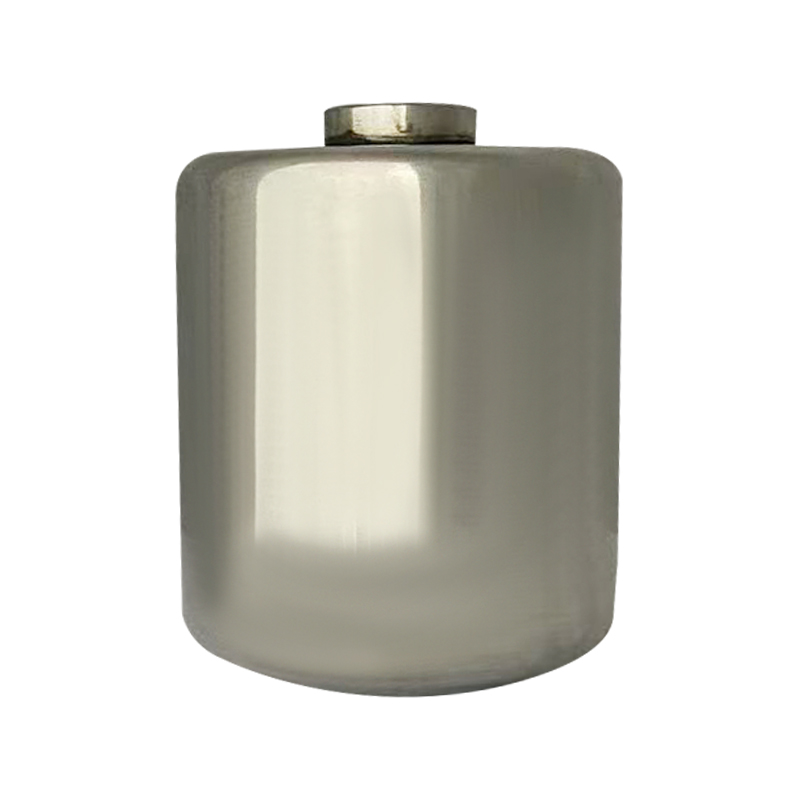
Internal structure is not solid. It is built around a hollow space sealed inside a metal shell. That empty space is the core reason floating is possible. Without it, the structure would simply sink.
The outer shell forms the visible body. It must stay round enough to move smoothly in water while resisting slow deformation caused by repeated pressure. Inside, air occupies a closed chamber that reduces overall density and allows upward movement when water level rises.
Some designs keep a single internal chamber. Others divide the inner space into sections. The difference is not about appearance, but about how movement feels during operation. A single chamber tends to respond directly, while divided space slightly slows reaction and spreads force more evenly.
| Structure Type | Internal Form | Movement Behavior | Practical Effect |
|---|---|---|---|
| Single cavity | One sealed air space | Direct response | Fast reaction to water change |
| Reinforced cavity | Supported inner shape | Balanced motion | More stable positioning |
| Multi-space cavity | Divided air pockets | Gradual response | Smoother movement in flow |
Wall thickness also plays a role. Thicker walls usually improve resistance to deformation, while thinner walls reduce weight but may respond more easily to external pressure. The final behavior comes from the balance between shell strength and internal air space.
How Does Internal Design Affect Float Stability During Operation
Stability is not only about floating position. It is about how calmly the structure reacts during repeated water level changes. A stable design moves without sudden shifts, even when water flow is uneven.
When internal space is symmetrical, weight distribution stays even. That allows the float to rise and fall without tilting. If internal balance is slightly uneven, motion may lean to one side during movement, especially under flowing water conditions.
Water turbulence adds another layer. Incoming water can push the float unexpectedly. A well-balanced internal design absorbs that disturbance and returns to normal position without delay.
Over time, repeated cycles of motion test the internal structure. Even small inconsistencies may become more noticeable after long use, especially in systems where water level changes frequently during daily operation.
Stability is therefore less about one-time performance and more about repeated response behavior under changing water conditions.
How Is A Metal Ball Float Sealed To Prevent Water Entry
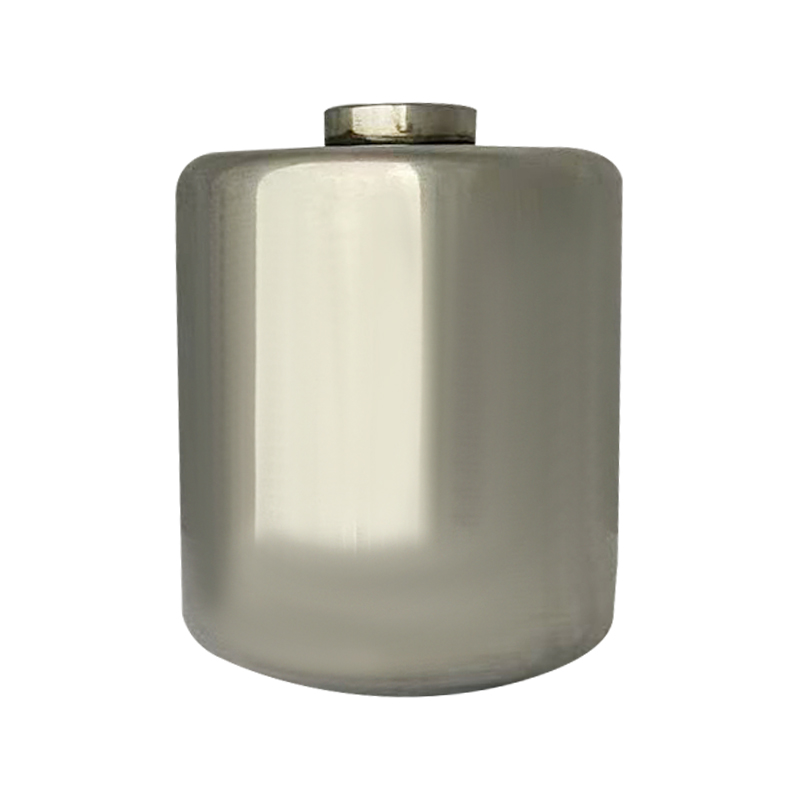
Sealing inside a float is less about appearance and more about keeping internal space unchanged over time. A metal shell may look continuous from outside, yet the real task is stopping water from finding its way into the inner cavity during repeated use.
Connection areas between metal parts usually carry the highest attention. Those points carry forming stress and often react more strongly to long exposure in water. Once sealing is weak at those lines, moisture slowly begins to travel inward, even when no obvious opening is visible.
Joining methods differ depending on structure design. Some rely on continuous edge bonding, others use pressed closure followed by surface reinforcement. In both cases, aim stays the same: maintain a closed internal space that does not change during repeated movement.
After joining, surface treatment often acts as a secondary layer. It does not replace sealing, only supports it by reducing direct contact between water and vulnerable edges. Over time, this slows down surface wear that might otherwise affect joint areas.
Small water entry rarely happens all at once. It usually starts from tiny gaps created by long cycles of pressure, temperature change, and motion. Once inside, even a small amount of water shifts weight balance and changes floating behavior.
What Factors Influence Sealing Performance Over Time
Sealing behavior does not remain fixed. It slowly reacts to surroundings and usage rhythm. Water type, temperature changes, and repeated motion all contribute to gradual changes at joint areas.
Water chemistry plays a quiet role. Some water conditions interact more strongly with metal surfaces, especially around connection lines. Over long exposure, surface layers may slowly change, affecting tightness around sealed zones.
Temperature movement also adds stress. Expansion during warm conditions and contraction during cooler conditions create slow mechanical shifting at joints. Each cycle is small, yet repetition builds pressure over time.
Mechanical movement continues as long as water level changes. Every rise and fall of the float applies light force to sealing edges. The effect is not sudden, but continuous.
In practical manufacturing environments, a Float Ball Manufacturer usually focuses on how sealing behaves after repeated movement rather than only checking initial closure, since real conditions always include ongoing stress.
How Does Manufacturing Process Affect Internal Structure Consistency
Internal structure depends heavily on how evenly the shell and cavity are formed. Even small variation in forming pressure or alignment can shift internal balance slightly.
When cavity space is not evenly shaped, buoyancy may lean to one side. That does not always stop function, yet it changes movement smoothness. A well-balanced internal space helps the float rise and fall without hesitation.
Assembly stage is equally important. Sealing two halves together requires alignment control so internal space remains symmetrical. Slight offset during joining can influence long-term movement response.
Quality checks often focus on internal consistency rather than surface appearance. External shape can look uniform while internal behavior still varies if cavity formation is uneven.
In large-scale production environments, maintaining repeatable internal shape becomes a key concern because even small variation may lead to different floating response under similar water conditions.
Why Does Surface Treatment Influence Sealing Durability
Surface condition quietly supports sealing performance. Metal exposed directly to water tends to change over time, especially at edges where sealing lines exist.
A protective surface layer reduces direct contact between water and metal. This slows down gradual wear around connection points, helping sealing remain stable for longer periods of use.
Smoothness also matters. Rough areas can hold small amounts of moisture, creating uneven stress points along sealing lines. A smoother surface helps water move evenly across the structure instead of concentrating in small zones.
Surface treatment does not work alone. It supports sealing design by reducing external stress, while sealing itself maintains internal isolation. Both layers work together during long operation.
How Does Water Environment Affect Long Term Float Performance
Water conditions influence movement even when structure stays unchanged. Flowing water adds small external forces that shift float position slightly before it stabilizes again.
Still water allows smoother movement, while moving water introduces irregular pressure that the structure must absorb. Internal design helps reduce these effects, keeping motion within a predictable range.
Particles in water may also interact with outer surfaces over time. Even small deposits can change how smoothly the float moves, especially when motion repeats frequently.
Long exposure gradually reveals differences in performance. Some changes appear in movement speed, others in balance response. These effects are slow but continuous.
How Do Design Variations Improve Adaptability In Different Systems
Different water systems behave differently, so internal design cannot stay identical in every case. Some tanks require fast response, while others benefit from slower and steadier motion.
Single cavity designs usually respond directly to water level change. More divided internal spaces tend to soften movement, reducing sudden shifts when water flow is uneven.
In many cases, Float Ball Manufacturer adjusts internal layout and sealing approach based on installation environment. Tank size, flow direction, and usage pattern all influence final structure decisions.
A ball float may appear simple, yet internal cavity design and sealing quality shape most of its real behavior. Stability comes from internal balance, while durability depends on how well sealing holds under continuous water exposure.
Our Main Products



Contact Us
* We assure you that we will never divulge your privacy.

Quick Links
Product
Head Office
Room 201, Building 5, Yongjia Yulong Shoes Clothing Technology Innovation Micro Park, Oubei Street, Yongjia County, Wenzhou City, Zhejiang Province
Phone: +86-577-67329891
Tel: + 86-13868641338 / 13858813335
Fax: + 86-577-67329892
E-mail: [email protected]
Copyright © Yongjia County Yaokang Technology Co., Ltd.
Stainless Steel Float Ball Manufacturer
