
 EN
EN  English
 中文简体
中文简体
Yaokang Technology
Yaokang Technology
Yaokang Technology
Yaokang Technology
Industry News
Why Is Copper Used in Toilet Float Ball Applications
Inside every traditional toilet tank, a small hollow sphere rides along the surface of the water, doing a job most people never think twice about. As water fills the tank, the ball rises with it. Once it reaches a certain height, it trips a valve that shuts off the incoming flow. When the toilet flushes and water drains back out, the ball drops down again, reopening the valve so the tank can refill. This simple mechanical action has kept water levels in toilets under control for generations, and sitting at the center of that whole system is the float ball itself.
The material chosen for this part tends to matter more than people might assume. The ball needs to hold up under constant immersion, move fairly freely up and down as water levels shift, and keep its buoyant shape across years of use without much fuss. Copper has served in this role for decades, and the fact that it's stuck around this long says something about how well its properties tend to match what the application actually demands.
A few characteristics make copper a reasonable fit here. Its resistance to corrosion, its ability to handle temperature swings without distorting much, and its structural durability all play a part. These properties tend to let a copper toilet float ball keep working for years, often outlasting other components sitting in the same tank.
Understanding the Operating Environment
To get a sense of why copper tends to work well in this application, it helps to look at the conditions inside a toilet tank a bit more closely. Water sits there continuously, surrounding the float ball at all times without a break. Minerals and chemicals dissolved in that water come into contact with the ball's surface day after day. The ball moves up and down with every flush cycle, picking up some mechanical wear along the fill valve stem as it travels.
Temperature shifts happen too, on occasion. While tank water usually stays close to room temperature, there are situations where warmer water ends up entering the system — maybe the building's hot water supply connects into the toilet line somehow, or warming from nearby piping raises the temperature a bit. Materials that don't handle heat particularly well can warp or degrade under these conditions, so the float ball needs to hold its shape and function reasonably well regardless of these variations.
The mechanical demands stay fairly consistent over time. Each flush sends the ball down and then pulls it back up again. Across years of use, this repeated movement can fatigue materials that aren't especially durable to begin with. A float ball that can't handle these cycles well tends to eventually crack, leak, or lose its ability to float the way it's supposed to.
| Operating Condition | Challenge to Float Ball | Why Copper Addresses It |
|---|---|---|
| Continuous water immersion | Corrosion and surface degradation | Forms protective oxide layer naturally |
| Repeated movement | Mechanical wear and fatigue | Maintains structural integrity over many cycles |
| Temperature variation | Warping or distortion | Dimensional stability under heat |
| Contact with minerals | Surface deposits and pitting | Self-protecting surface chemistry |
Corrosion Resistance as a Notable Advantage
Water and metal don't always get along well together. Plenty of metals corrode when exposed to water over extended periods, forming rust or other oxidation products that weaken the material and can end up affecting the surrounding water too. Copper tends to behave a bit differently in this regard. When water contacts copper, a thin oxide layer forms on the surface fairly quickly. This layer, often described as a patina, tends to adhere to the metal and offers some protection to the material underneath from further corrosion.
This self-protecting quality makes copper a reasonably suitable choice for applications involving ongoing water exposure. The protective layer tends to form quickly and stays fairly stable as long as the metal remains in contact with water. Unlike iron or steel, which tend to keep corroding once rust gets started, copper's oxide layer tends to slow that process down considerably rather than let it run unchecked.
The practical effect shows up pretty clearly in toilet tank applications. A copper toilet float ball can often sit in water for years without losing much material thickness or developing pinhole leaks. The protective layer may change appearance over time, darkening or picking up a greenish tint here and there, but this surface change usually doesn't get in the way of the ball's function. Beneath that patina, the copper tends to stay in reasonably good shape.
Materials without this kind of self-protecting feature tend to behave rather differently. Steel rusts and flakes away over time. Aluminum forms an oxide layer of its own but stays somewhat vulnerable under certain water conditions. The natural protection copper offers tends to provide a level of reliability that a lot of other metals struggle to match in water immersion service.
Temperature Tolerance and Dimensional Stability
Temperature brings another consideration into toilet tank applications. While most tanks hold cold water most of the time, warmer water can find its way in under certain conditions. Whatever the cause, a float ball that struggles with temperature changes tends to run into trouble sooner or later.
Plastic float balls tend to show this vulnerability fairly clearly. Heat causes a lot of plastics to soften and warp over time. A plastic ball that becomes distorted may stop moving freely along the valve stem the way it's supposed to. It might start rubbing against other components, or fail to seal properly once it reaches the top of its travel. In tougher cases, heat can even cause plastic to crack or partially melt.
Copper tends to respond rather differently to temperature swings. The metal expands and contracts a bit with temperature shifts, but this movement tends to stay fairly predictable and within reasonable design allowances. Copper doesn't tend to soften or distort at the temperatures typically found in water supply systems. Its dimensions tend to stay fairly stable, and its shape doesn't shift much over time.
Soldered joints on copper float balls tend to hold up reasonably well through temperature changes without coming apart. The solder used in decent-quality float balls tends to stay intact through repeated thermal cycles, helping maintain the sealed, hollow construction that buoyancy depends on. This thermal stability goes some way toward explaining why copper alternatives tend to hold up where plastic counterparts sometimes fail earlier than expected.
Structural Longevity and Leak Prevention
A float ball serves no purpose if it fills with water. The hollow interior that provides buoyancy must stay sealed against the water that surrounds it. Any crack, pinhole, or failed joint allows water to enter the ball, destroying its ability to float. Once water gets inside, the ball sinks, and the tank mechanism stops working.
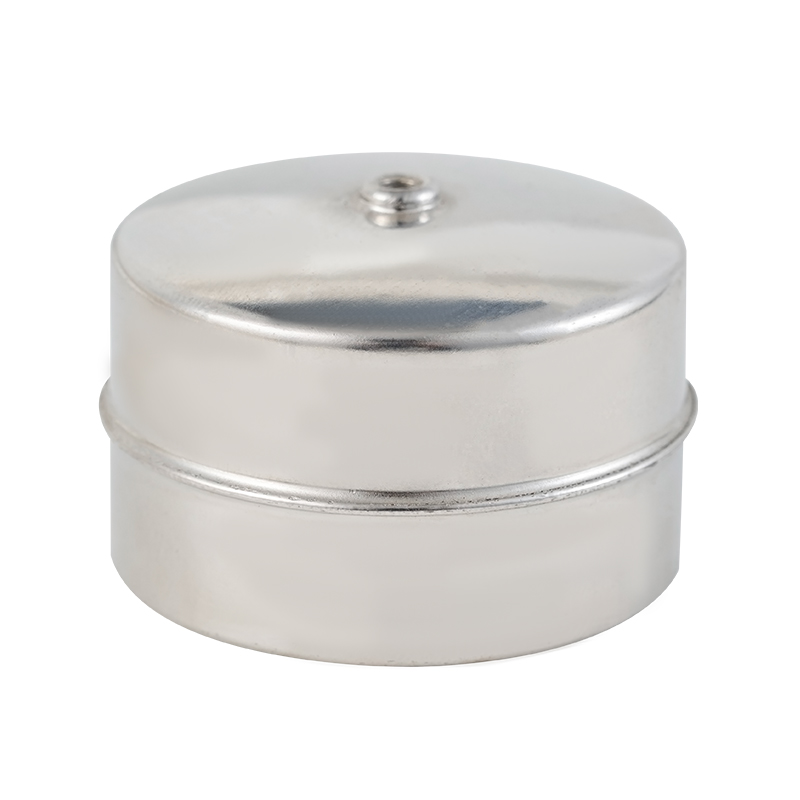
Copper float balls achieve reliable sealing through construction methods that have been refined over time. Two copper hemispheres get formed and then joined together at the equator. The joint receives solder, which flows into the gap and creates a continuous seal around the entire circumference. This soldered seam, properly made, keeps water out for many years.
The same qualities that protect copper surfaces from corrosion also protect soldered joints. The protective oxide layer that forms on the copper surface extends over the solder, shielding both materials from water attack. Joints that might otherwise develop leaks remain intact because the corrosion process does not penetrate the soldered area.
Cracking presents a different failure mode, and copper resists this well. The metal has enough flexibility to handle the small stresses that come from temperature changes and mechanical movement. Rather than cracking when stressed, copper yields slightly and accommodates the movement. This ductility gives copper float balls a toughness that brittle materials lack.
Manufacturing Methods and Quality Considerations
Turning copper sheet into a finished float ball involves several steps. Each step affects the final product's quality and reliability.
Forming the hemispheres starts with copper sheet of appropriate thickness. Drawing presses shape the flat sheet into shallow cups, then progressively deeper into hemispherical forms. The metal stretches during forming, and the wall thickness must remain consistent to avoid thin spots that might leak later. Good manufacturing practice includes checking wall thickness during production to catch variations early.
Joining the two hemispheres requires careful soldering. The seam must be clean and free from oxidation before solder flows into the gap. Proper flux application and heat control ensure the solder wets the copper surfaces and forms a continuous joint. Incomplete wetting leaves gaps where leaks can start.
Surface finishing follows joining. The completed ball may receive cleaning to remove flux residues and soldering oxides. Some manufacturers apply a clear coating to preserve the bright copper appearance, though this coating does not affect performance. The protective patina that forms in service offers all the corrosion protection needed.
A metal ball float manufacturer with consistent quality practices pays attention to these details. Incoming material quality, process control during forming and soldering, and final inspection all contribute to product reliability. Testing, either by pressure checking each ball or by sampling from production, catches defects before they reach the end user.
Comparing Copper to Alternative Materials
Copper offers advantages that other materials cannot match, but understanding the alternatives helps in appreciating why copper persists in this application.
Plastic float balls have been available for many years. Plastic offers low cost and easy manufacturing. Molded plastic balls can be made quickly and at scale. However, plastic has drawbacks in this application. Prolonged water exposure can cause certain plastics to degrade. The plasticizers that give flexibility may leach out over time. Heat can soften plastic and change its shape. Some plastic balls have developed cracks or lost their buoyancy after relatively short service lives.
Stainless steel offers good corrosion resistance and strength. Stainless steel balls, when properly welded, can last a long time. However, stainless steel costs more than copper, and it does not offer any performance advantage in this application. Copper's natural corrosion resistance matches stainless steel's performance at a lower cost point for this specific use.
Galvanized steel, sometimes used in older tanks, shows the weakness of uncoated steel. The zinc coating that protects galvanized steel eventually wears away or breaks down. Once rust starts, the ball develops pinholes and fails. Copper does not have this vulnerability, which explains why copper has largely replaced galvanized steel in float ball applications.
Practical Considerations for Selection and Replacement
When replacing an old float ball or selecting one for a new tank, several points help in making the right choice.
Fit should match the existing valve stem. Float balls come in different sizes, with different mounting hole dimensions. A ball that does not fit properly will not move freely or seal correctly. Checking the mounting thread size and the stem diameter helps avoid mismatched parts.
Weight and buoyancy affect how the valve operates. A copper toilet float ball of the correct size provides the right amount of upward force to close the fill valve. An oversized ball may close the valve too early, preventing the tank from filling completely. An undersized ball may not close the valve at all.
Examination of the existing ball, if still in place, offers clues about what is needed. A copper ball that has developed a leak shows visible damage or water inside. A metal ball float that moves stiffly may have accumulated deposits or have a bent stem. Replacing the complete assembly or the stem along with the ball may be needed in some cases.
Signs that replacement is needed include:
- visible damage to the float ball
- the tank not filling to the proper level
- water running continuously into the tank
- the ball feeling heavy or water sloshing inside
- visible corrosion or damage to the mounting
The Enduring Place of Copper in Float Ball Applications
Copper remains a practical choice for toilet float balls because the properties that made it suitable decades ago remain relevant today. The material works with the operating environment rather than against it. Its corrosion resistance, temperature tolerance, and structural durability combine to provide a level of reliability that few alternatives can match.
New materials continue to be developed and tested for various plumbing applications, yet copper holds its place in float ball production. The record of long service life speaks for itself. A copper toilet float ball can outlast the valve it controls, the tank it sits in, and sometimes even the building where it is installed.
For those maintaining older plumbing systems, a copper replacement offers the same durability as the original. For new installations, copper provides a proven solution to a basic mechanical requirement. The material's suitability for this application is not a matter of tradition but of continued, demonstrated performance.
Our Main Products



Contact Us
* We assure you that we will never divulge your privacy.

Quick Links
Product
Head Office
Room 201, Building 5, Yongjia Yulong Shoes Clothing Technology Innovation Micro Park, Oubei Street, Yongjia County, Wenzhou City, Zhejiang Province
Phone: +86-577-67329891
Tel: + 86-13868641338 / 13858813335
Fax: + 86-577-67329892
E-mail: [email protected]
Copyright © Yongjia County Yaokang Technology Co., Ltd.
Stainless Steel Float Ball Manufacturer
