
 EN
EN  English
 中文简体
中文简体
Yaokang Technology
Yaokang Technology
Yaokang Technology
Yaokang Technology
Industry News
Why Does Metal Ball Float Change With Water Pressure
Controlling water level isn't just about tracking whether liquid goes up or down. Pressure building up inside a tank or pipeline quietly shapes how a floating component moves, responds, and settles back into place. Even when the water level shifts by exactly the same amount, different operating conditions can produce noticeably different movement behavior.
Metal ball floats show up all over the place — water storage tanks, control valves, liquid tanks, various automatic level control setups. As water rises or falls, the float's motion drives connected mechanical parts to respond accordingly. When that movement stays smooth, control stays stable. When conditions aren't quite right, response accuracy tends to suffer.
Pressure is one of those things that often gets skipped over during selection. A lot of people focus on float size or material and give pressure conditions less thought than they probably deserve. But pressure changes throughout normal operation can affect movement speed, sealing behavior, and how steady the whole control process ends up being.
A handful of things are worth checking before settling on a floating component:
- Working water pressure
- How much the water level actually varies
- Tank depth
- How frequently the system operates
- Where the float gets installed
Getting the design right really starts with understanding the actual environment the float will be working in. Matching float characteristics to pressure conditions helps keep the whole control system running in a steady, predictable way.
How Does Water Pressure Influence Metal Ball Float Movement
Pressure changes act on the surrounding liquid rather than pushing directly against the float itself. As pressure shifts, the way things move inside the water system tends to shift along with it.
In shallow tanks, floating movement usually stays gentle and fairly direct. Water level changes tend to produce smooth, predictable vertical motion, letting connected valves or switches respond naturally without much fuss.
Deeper storage systems bring a different set of conditions into play. Greater pressure inside the liquid can affect how the mechanical parts connected to the float behave during operation. Friction, sealing force, and resistance to movement can all start playing a bigger role.
A few operating characteristics are worth keeping an eye on:
- How quickly the float responds
- How stable the vertical movement stays
- Consistency in opening and closing
- Whether the float returns to the same position reliably
Pressure can also fluctuate during pump cycles or frequent filling. Sudden pressure changes sometimes cause brief movement variations before the liquid settles back into a steady state.
Evaluating a design usually means looking at the full operating cycle, not just the water level at any single moment.
What Role Does Buoyancy Play in Float Operation
Floats rely mainly on buoyancy rather than pressure alone. As water rises, upward force on the float builds until it actually moves. As the level drops, buoyancy fades and gravity pulls the float back toward its starting position.
A few things work together to make this happen.
Float Volume
Volume determines how much water gets displaced. Bigger floating bodies tend to generate more lifting force while staying fairly stable through the motion.
Material Density
Metal is heavier than a lot of other materials, but a sealed, hollow structure creates enough displacement to keep the float buoyant anyway. That internal air pocket lets the component float while still holding onto its mechanical strength.
Water Conditions
Clean water behaves differently than recycled water or liquid carrying suspended particles. Surface buildup or deposits can gradually add resistance to movement over extended use.
Internal Balance
How weight is distributed inside the float affects how smoothly it rises and falls. A well-balanced build tends to keep movement predictable and cuts down on unwanted tilting.
Buoyancy really comes down to the interaction between structure, liquid, and the surrounding conditions — not any single factor working alone.
Why Do Different Water Pressure Conditions Require Different Float Ball Designs
Water systems get built for a wide range of purposes — residential storage tanks, industrial process equipment, irrigation setups, liquid transfer units — and each one runs under its own pressure conditions.
A float that works well in one setting might need some structural tweaking before it fits into a different application.
| Application Environment | Pressure Characteristic | Design Consideration |
|---|---|---|
| Water Storage Tank | Gradual pressure variation | Stable floating movement |
| Industrial Water System | Continuous operating pressure | Structural durability |
| Deep Liquid Tank | Higher liquid pressure | Balanced buoyancy and stability |
| Automatic Control Equipment | Frequent movement cycles | Consistent response performance |
Movement stability matters more as operating conditions shift throughout the day. Equipment tied to pumps often deals with repeated pressure changes, while gravity-fed systems tend to stay a bit steadier overall.
Design adjustments might touch on a few areas:
- Float diameter
- Wall thickness
- Internal air volume
- Where the connection sits
- How weight gets distributed overall
Rather than treating every installation the same way, engineers usually look at how pressure affects both the floating action itself and the mechanical parts connected to it.
How Does Metal Material Affect Performance Under Pressure
Material choice affects a lot more than just how the float looks. Structural properties really determine how well the component holds its shape after repeated use.
Metal tends to get chosen because it pairs strength with dimensional stability. A well-made shell stays consistent through repeated movement inside a water system, which helps cut down on unwanted deformation over time.
A few material characteristics shape how this plays out.
Structural Stability
Repeated pressure changes mean continuous movement across the working cycle. A stable material helps the float hold onto its original shape over a long stretch of use.
Resistance to External Impact
Installation, transport, maintenance work, or the odd accidental knock can all expose a float to mechanical impact. A durable shell helps limit surface damage that might otherwise affect performance down the line.
Surface Condition
A smooth outer surface lets water flow around the float more evenly. Surface quality also tends to influence how deposits build up over long-term use.
A Float Ball Manufacturer generally weighs material choice against the specific application rather than sticking to one spec across every product line. Working environment, liquid characteristics, and installation conditions all factor into how these decisions get made.
What Design Factors Should Be Considered for Reliable Operation
Pressure conditions interact with a lot of structural details during everyday operation. Even small design tweaks can noticeably shift how stable the movement stays.
Worth paying attention to:
- Float diameter suited to the application
- Well-balanced internal cavity design
- A reliable connection between the float and the control mechanism
- Sealing structure that holds up over time
- Steady, even weight distribution
Every detail here plays into the bigger picture. When dimensions and internal structure work together properly, the floating action stays smooth across whatever water level changes come along.
A Float Ball Manufacturer also tends to think about production consistency during the design stage, which helps make sure similar products behave predictably once they're actually installed and running.
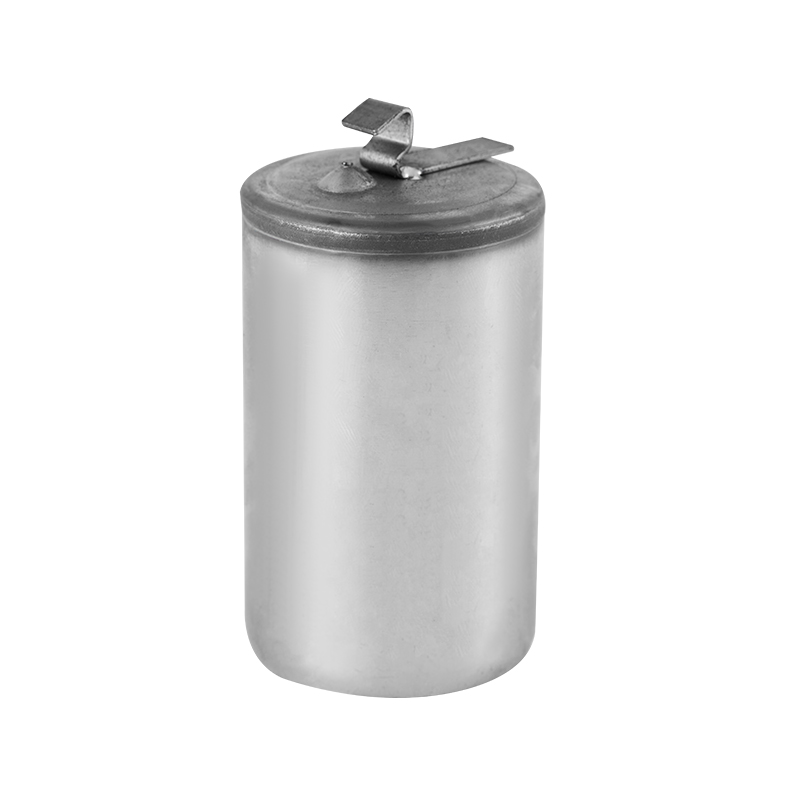
How Does a Float Ball Manufacturer Adjust Products for Different Applications
Every liquid control system runs under its own set of conditions. Some installations see water levels shift slowly and gradually, while others deal with repeated filling and draining several times a day. Given how much these situations differ, it rarely makes sense for a manufacturer to stick with one identical design across every application.
Before production even starts, a handful of operating details usually get reviewed:
- Working pressure conditions
- Liquid characteristics
- Installation direction
- Valve structure
- Operating frequency
- Available installation space
A Float Ball Manufacturer often ends up adjusting structural details once these requirements are clear. Something as small as a tweak to wall thickness, internal volume, connection method, or shell construction can noticeably improve how well the float fits a particular control system.
Material choice matters just as much here. Water quality isn't the same from one job to the next — clean water asks something different of a component than recycled process water or liquid carrying suspended particles does. Surface finish, corrosion resistance, and manufacturing precision all end up factoring into that decision.
Prototype testing tends to happen before regular production kicks off. Rather than just checking one static condition, movement gets observed across repeated cycles, watching whether the float rises and falls smoothly over time rather than just in a single test run.
A few performance points usually get checked along the way:
- Floating consistency
- Sealing compatibility
- Movement stability
- Structural integrity
- How it responds through repeated operation
Careful evaluation at this stage tends to save a lot of unnecessary adjustment work later, after the float's already been installed.
What Common Problems Occur When Pressure Conditions Do Not Match Float Design
A lot of operating problems people run into aren't actually manufacturing defects. More often than not, the float that got picked just doesn't match the environment it's working in.
One issue that comes up fairly often is unstable movement. When pressure conditions turn out different from what the original design assumed, the float might react slower than expected or travel unevenly as water levels shift. That kind of movement can throw off the connected valve and chip away at overall control stability.
Sealing performance is another spot where things can go sideways. If operating pressure runs higher than expected, it can put extra force on the connected sealing components, making valve movement less consistent through repeated cycles.
Some common symptoms worth watching for:
- Delayed opening or closing
- Floating position drifting during operation
- Irregular valve response
- Rising movement resistance
- Connected parts wearing out sooner than expected
Water quality plays into long-term performance too. Mineral deposits, suspended particles, or surface buildup can gradually collect on moving parts. As resistance builds up, the float's movement becomes harder to predict.
Installation mistakes can produce similar symptoms, oddly enough. Even a properly designed metal ball float won't run smoothly if it's mounted at an awkward angle or connected to a mechanism with too much friction working against it.
Regular inspection tends to catch these small shifts early, before they turn into a bigger issue for the whole control system.
How Can Users Select a Suitable Metal Ball Float for Water Systems
Picking a floating component gets a lot easier when it follows a clear process rather than just going off size or how it looks.
Step 1: Evaluate Operating Conditions
Start with the actual environment the float will be working in.
Worth asking:
- How deep is the water system?
- Does pressure stay fairly steady, or does it change often?
- Is operation continuous, or more occasional?
- Does the liquid carry particles or chemicals?
Answers here give a useful starting point before comparing specific products.
Step 2: Review Product Characteristics
Once the operating conditions are clear, attention can shift toward the product itself.
Worth looking at:
- Material construction
- Float diameter
- Internal cavity design
- Connection style
- Pressure compatibility
Each of these shapes how the float actually behaves once it's running under normal conditions.
Step 3: Consider Long-Term Maintenance
Routine inspection tends to stretch service life and keep performance steadier over time.
A few simple habits go a long way:
- Keeping moving parts clean
- Clearing deposits off the float surface
- Checking connection points for wear
- Confirming the float still moves freely after maintenance
Small, regular maintenance tasks can catch gradual performance drift before it becomes noticeable in daily operation.
Step 4: Communicate Application Requirements Clearly
When working with a Float Ball Manufacturer on a project, giving detailed operating information upfront usually helps land on a more suitable product configuration.
Useful details to share:
- Liquid type
- Working pressure
- Installation method
- Valve structure
- Available installation space
- Expected operating cycle
Clear communication early on lets both sides work through the practical requirements before production even begins.
How Pressure and Design Work Together in Float Performance
Reliable liquid level control really comes down to several things working together rather than any single component carrying the whole job. Water pressure, buoyancy, structural design, material characteristics, and installation conditions all shape how a floating mechanism behaves during everyday use.
A metal ball float is constantly responding to whatever's happening inside the water system at any given moment. Pressure shifts, liquid conditions, and mechanical movement all shape its behavior throughout each cycle. Looking past size alone during selection tends to make the whole process more practical and helps sidestep compatibility issues down the line.
Material choice plays its part too. Stable construction, balanced weight distribution, and decent surface quality all contribute to smoother movement across different operating conditions. Design details that seem minor during manufacturing can end up mattering quite a bit after extended use.
A Float Ball Manufacturer typically weighs pressure conditions, application requirements, and structural compatibility together during development. Matching those pieces to the actual working environment is really what supports steady movement and dependable liquid level control across different types of water systems.
Our Main Products



Contact Us
* We assure you that we will never divulge your privacy.

Quick Links
Product
Head Office
Room 201, Building 5, Yongjia Yulong Shoes Clothing Technology Innovation Micro Park, Oubei Street, Yongjia County, Wenzhou City, Zhejiang Province
Phone: +86-577-67329891
Tel: + 86-13868641338 / 13858813335
Fax: + 86-577-67329892
E-mail: [email protected]
Copyright © Yongjia County Yaokang Technology Co., Ltd.
Stainless Steel Float Ball Manufacturer
